The Prince of Wales has revealed a year-long effort to improve women’s safety in the Armed Forces after servicewomen described harassment in barracks, rumours spread when they rejected advances and women being treated as commodities.
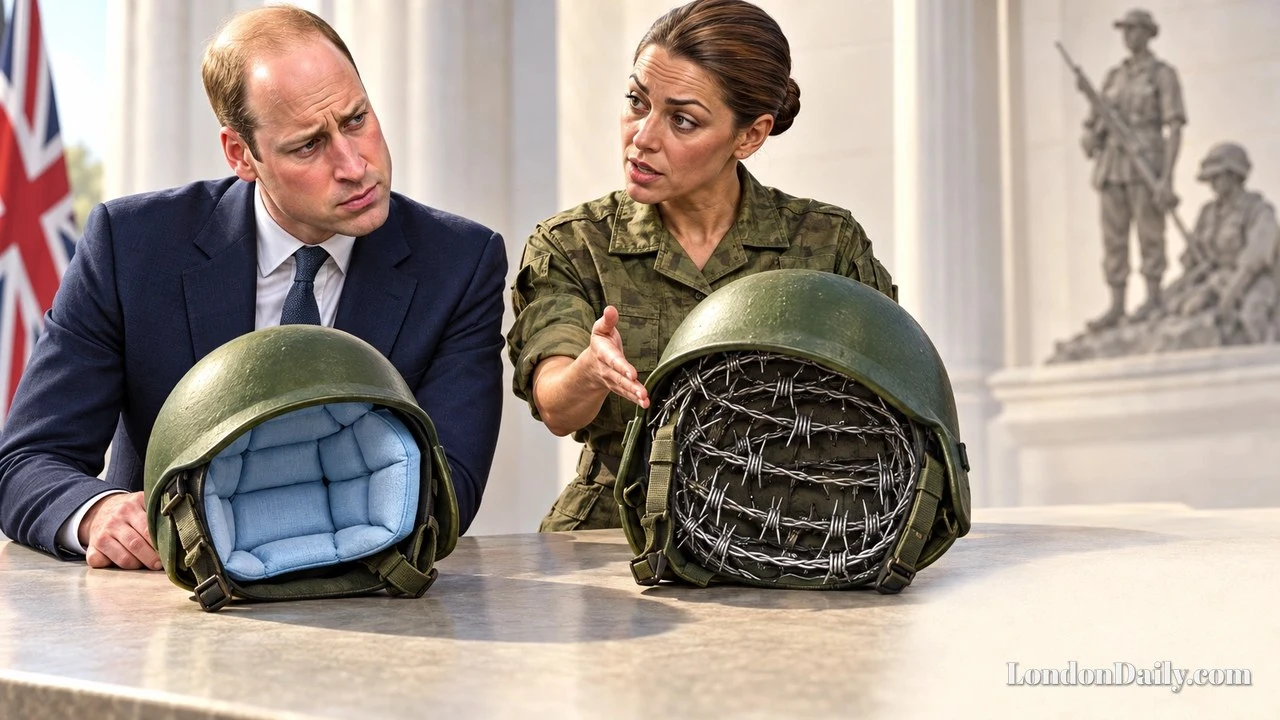
William has held private and public meetings with women of all ranks across the Royal Navy, RAF and Army to hear about their experiences. Those accounts have prompted discussions with senior defence leaders about how the concerns are being addressed, and he is now exploring a longer-term initiative.
One junior servicewoman described “women being used as commodities”. Others told him of inappropriate comments and late-night harassment by people who were intoxicated in barracks. These accounts concern both women’s safety and their ability to serve without unwanted attention or repercussions for rejecting it.
William, who trained at Sandhurst and later served as an RAF search and rescue pilot, contrasted those experiences with his own.
“I want to play my part in making the military feel like the welcoming, open and professional place I enjoyed and make it feel like that for everyone,” he said.
“At the moment, I don’t feel that we meet those standards and, as a former serving officer, I really mind it when those who wear the uniform now don’t feel safe, respected or valued.”
The future head of the Armed Forces commissioned an article about the challenges facing servicewomen for a special edition of Country Life, which he has guest-edited and which is due to be published on Wednesday.
It opens with the case of Royal Artillery Gunner Jaysley Beck, 19, who took her own life at Larkhill Camp in Wiltshire in 2021. She had faced months of unwanted attention and had reported a sexual assault. An inquest found that the Army’s failure to take appropriate action “more than minimally” contributed to her death.
Air Chief Marshal Sir Richard Knighton, chief of the defence staff, acknowledged that women’s experiences had not always met the required standards and said every woman should be able to serve, succeed and progress in an environment where she was respected and valued.
“Where behaviours and attitudes have fallen short of the standards we expect, we must be honest about that and continue to drive change,” he said.
William’s work has moved from listening to servicewomen into discussions with defence leaders. The form of his longer-term initiative remains under consideration.








Join the conversation