Sales of emergency essentials jumped after the Government’s Be Ready campaign, but shopping patterns point to more households making modest purchases rather than panic buying, Worldpanel by Numerator figures suggest.
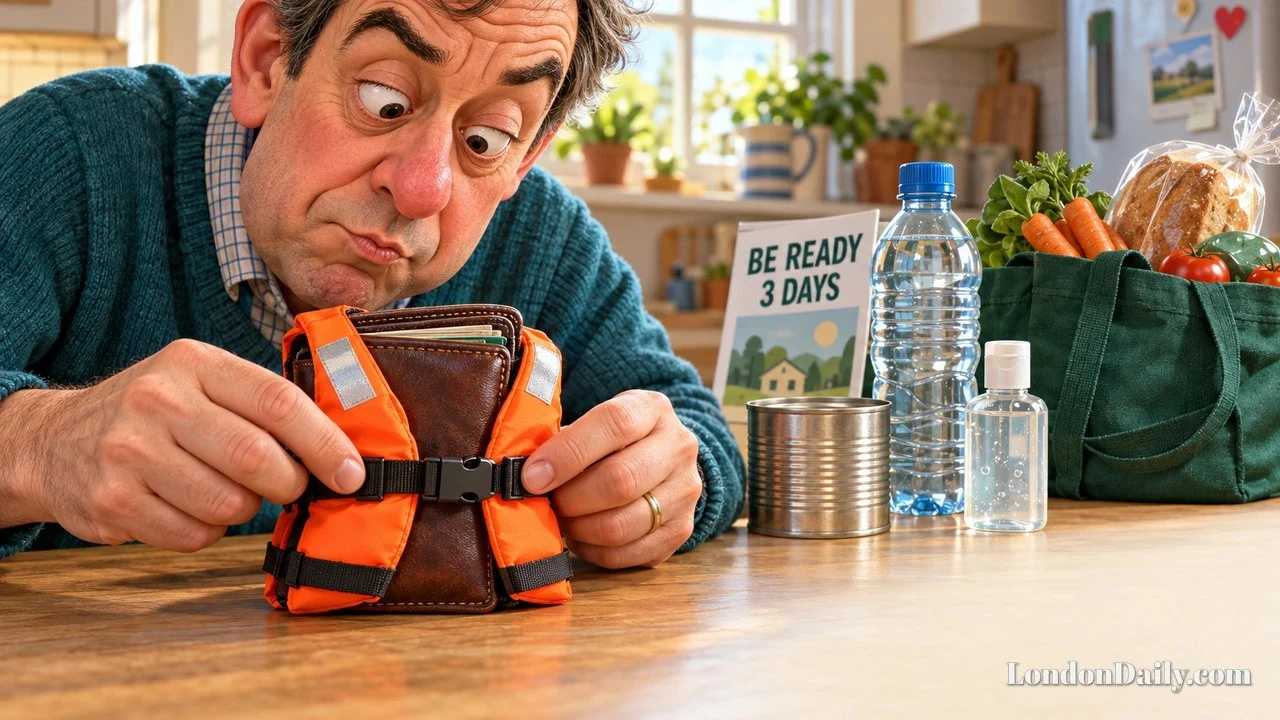
The campaign, launched on 22 October, encourages households to prepare for up to three days of disruption to essential services. In the following 10 days, hand sanitiser sales rose 83% against the corresponding period last year, bottled water increased 67%, and tinned and jarred goods were up 37%.
The distinction lies in how much each shopper bought. Daily buyer numbers for tinned meat rose 43%, equivalent to an additional 400,000 shoppers a day, while the typical purchase remained about 500g.
Fraser McKevitt, Worldpanel’s head of retail and consumer insight, said: “Shoppers clearly took notice of the Be Ready campaign, but this wasn’t panic buying, with less than a third of households buying bottled water in October.” He said shoppers were adding recommended items to their weekly shop, in line with the Government’s intentions.
The purchases came as grocery inflation edged up to 2.6% in October from 2.5% the previous month. McKevitt said price rises remained slower than at the beginning of the year, but their direction had changed. He warned that October’s energy price cap increase, arriving with colder weather, had already squeezed household budgets.
Halloween also lifted spending: pumpkin sales rose 10% year on year, while tubs of sugar confectionery increased 28%.
Among retailers, online-only Ocado’s sales grew 12.3% over the 12 weeks to 1 November, taking its market share to a record 2.3%. Marks & Spencer, which part owns Ocado’s retail business, separately increased grocery sales through its stores by 14.6%.
Lidl recorded the largest market share gain, up 0.4 percentage points to 8.6%, as spending rose 6.6%. Waitrose also gained share, moving from 4.4% to 4.5% as sales increased 2.2%.
Morrisons’ sales rose 2%, slightly ahead of the market, giving it an 8.3% share. Tesco held 27.8% and Sainsbury’s 15.5%. Britain’s fourth-largest grocer, Aldi, increased sales by 0.4%, taking its share to 10.4%; Co-op’s sales rose 0.7%, giving it 5.3%.
New Asda chief executive David Potts began his role with the retailer holding 11.3% of the market. More than half of households had shopped in its stores or online over the preceding three months.
For household preparedness, the telling measure is the unchanged typical tinned-meat purchase: the increase came from more buyers, rather than larger quantities per shopper.








Join the conversation