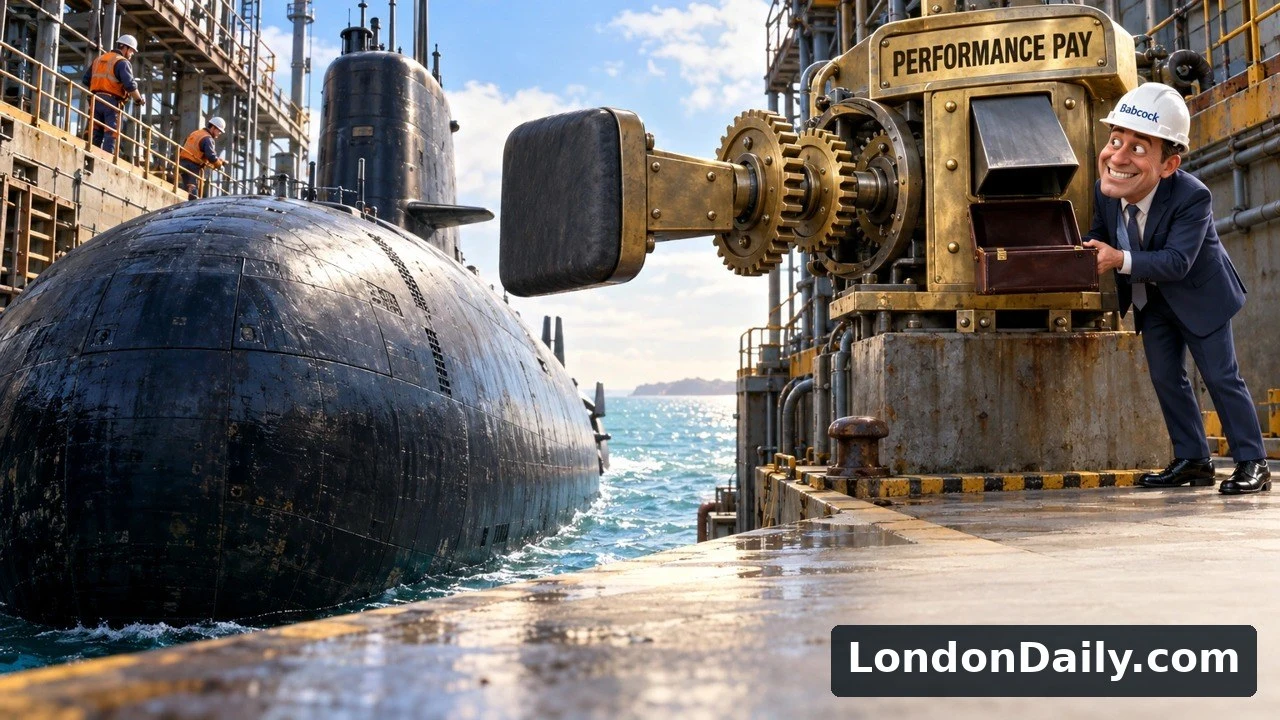
The UK has signed an £8bn, five-year contract with Babcock to upgrade its nuclear submarine fleet and shorten maintenance delays, linking the defence company’s earnings to its performance in getting vessels back to sea.
The agreement also covers modernising naval base services. The Ministry of Defence said it would create 3,000 new jobs and around 2,500 apprentice and graduate roles, mainly across Plymouth, Clyde and Bristol.
Defence Secretary Wes Streeting said the contract would help make Britain “warfighting ready” and allow the Royal Navy to “work around the clock to get our submarines back out to sea”. Speaking during a visit to HMNB Devonport on Thursday, he described the agreement as a benefit for the Navy, employment and taxpayers.
The payment structure is intended to turn that ambition into a financial incentive. Streeting said “the more productive they are, the more they earn but if they fall short, then they don't get paid as much”. That makes delivery, rather than the size of the spending announcement alone, central to the contract’s practical value.
First Sea Lord General Sir Gwyn Jenkins said the funding would help “tackle delays that hold us back” by moving submarines through maintenance more quickly. Babcock chief executive Harry Holt emphasised the company’s support for the continuous at-sea deterrent, which he described as the UK’s highest defence priority.
The agreement forms part of a wider £26bn investment in naval bases announced earlier this year. Prime Minister Andy Burnham said it demonstrated his commitment to public safety, opportunities for young people and growth across the UK.
Streeting also made clear that prioritising nuclear capability could involve a cost elsewhere in government: “Even when we have to move funding from other departments, we will prioritise our nuclear deterrent and getting Britain warfighting ready.”
Separately, he was asked about reports that 100,000 former service personnel in the military reserves had received letters telling them to prepare for a wartime call-up. He said the government was contacting strategic reserves to update their contact details as part of its readiness work. His explanation described an administrative preparedness exercise, rather than announcing a call-up.








Join the conversation