



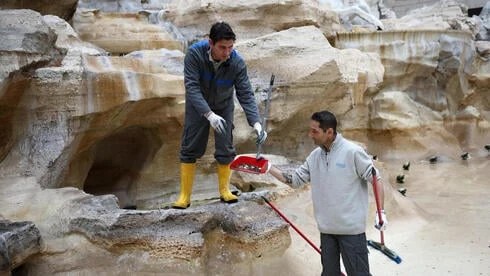
Euro coins collected for charity from Rome’s Trevi Fountain have fallen by more than 12% following the introduction of a €2 charge to approach its waters, even as the city welcomes income from admission tickets.
Collections in the first nine months of this year totalled about €1.24 million, against roughly €1.42 million in the same period last year: a reported decline of approximately €174,000. The figures exclude foreign-currency coins, which have yet to be counted.
Giustino Trincia, director of Caritas in Rome, said restricted access might have contributed. The Catholic charity receives the fountain’s coins to fund soup kitchens, food distribution, support for homeless people, healthcare and assistance for children and families in hardship.
A Caritas report published in June put collections at almost €2 million in 2023 and about €1.86 million in 2025. Around a fortnight ago, the city and the local Church renewed their agreement to direct the money to the charity for another three years.
Rome introduced the charge on 2 February to manage crowds, improve visits and protect the historic site. Viewing from the square remains free; tourists pay to descend the steps to the pool’s edge. Exemptions cover residents of Rome and its metropolitan area, children under six, disabled people and their companions, and licensed tourist guides.
City officials have expressed satisfaction with the scheme. Its first month brought about 230,000 admissions, including roughly 218,000 paid visits, generating more than €435,000. Ticket revenue is intended for the conservation of the city’s heritage sites and to help fund free admission for Rome’s residents to municipal museums.
Those receipts and the charity collections serve different purposes: a successful ticket scheme does not necessarily protect the income supporting people in need. But the figures do not establish how much, if any, of the decline the charge caused.
Growing use of cards and digital wallets may leave fewer visitors carrying coins. Visitor numbers have also fallen by around 4%, according to Bank of Italy figures, compared with 2025, when the Catholic Jubilee drew millions of pilgrims. That fall is substantially smaller than the decline in euro collections, but does not isolate the effect of admission charges.
Tradition holds that throwing a coin into the fountain ensures a return to Rome, a custom popularised worldwide by the 1954 film Three Coins in the Fountain. More than 70 years later, crowd controls and changing payment habits may be reshaping its charitable dividend. The outstanding foreign-currency count will give a fuller picture of the money available to Caritas.








Join the conversation