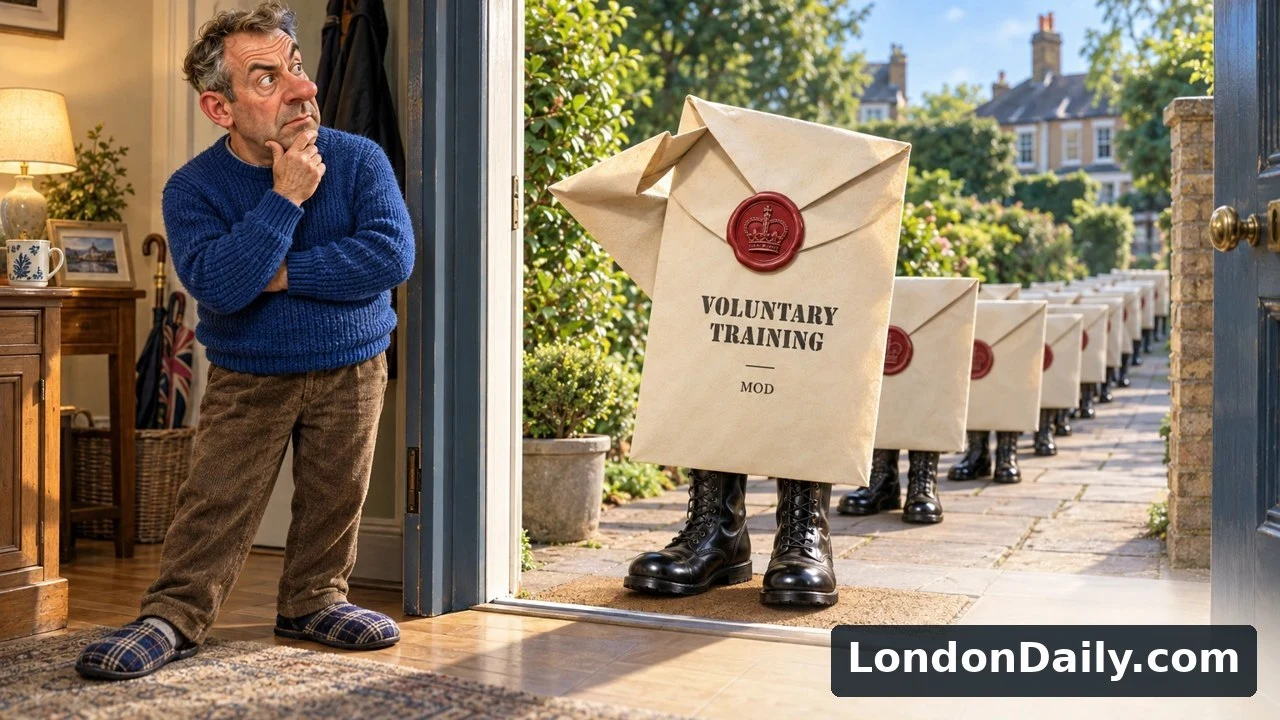
Britain has written to around 100,000 military veterans about their potential return to service in an emergency, in the first such initiative since the Cold War, amid concern over a direct confrontation between Russia and NATO.
Signed by the heads of the Army, Royal Navy and Royal Air Force, the letters offer voluntary participation in training and exercises, including NATO’s Steadfast Defender next spring. Recipients are asked to update their contact details and describe their current jobs and skills acquired since leaving the forces.
These veterans belong to the strategic reserve: former personnel who retain an obligation to serve in exceptional circumstances, rather than reservists who volunteer routinely. The Ministry of Defence says the approach does not signal an imminent call-up; its stated purpose is to strengthen readiness and deterrence, reducing the risk of conflict.
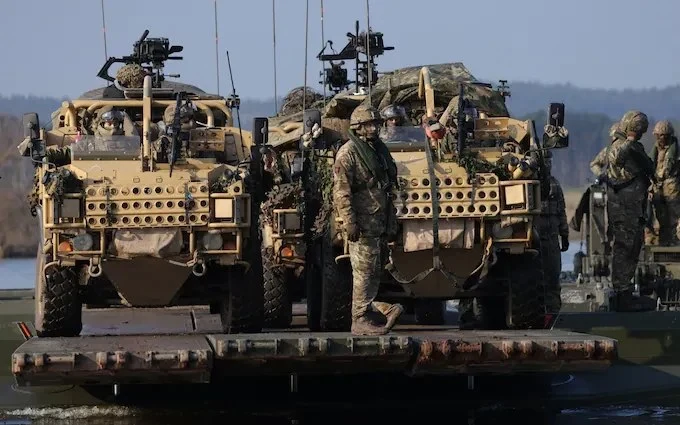
With the regular Army numbering about 73,000, its smallest strength since the Napoleonic wars, the exercise is also about identifying useful civilian expertise. A veteran’s present skills may be more valuable to defence than their former military specialism.
The preparations coincide with a separate account of dangerous encounters and diplomatic efforts in the Baltic. The Wall Street Journal reported that Moscow sent NATO a written warning in September declaring its willingness to launch pre-emptive nuclear strikes to protect Russian interests there, even without an attack on Russian territory. The Kremlin did not respond to the newspaper’s enquiry.
More than 60% of Russia’s seaborne oil exports pass through the Baltic. Moscow fears a Western blockade, while Western countries have sought to intercept suspected members of its sanctions-evading ‘shadow fleet’. Those operations largely stopped earlier this year after Russian naval confrontations.
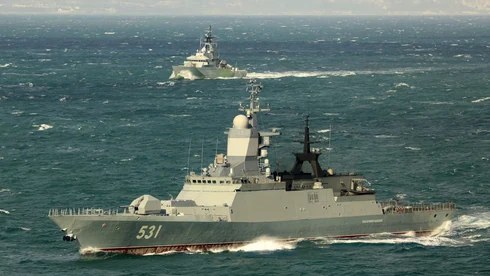
The danger includes miscalculation. In late June, a Russian warship approached Greenpeace activists near a suspected shadow-fleet tanker, apparently mistaking them for coastguards preparing to board. A German coastguard commander defused the encounter by explaining that they were civilian protesters.
Western officials also said confrontational European rhetoric fuelled Russian fears. Pentagon officials reportedly urged Baltic counterparts to moderate their language in late October.
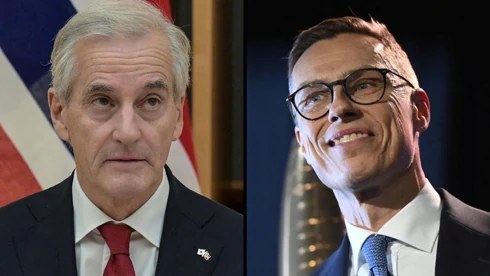
Diplomacy included an unnamed Russian oligarch carrying assurances to Moscow. Finland’s President Alexander Stubb subsequently assured Vladimir Putin on 27 October that there would be no peacetime Baltic blockade, according to two people present during the call.
That reassurance now faces another test. After Ukrainian drones struck a Russian cargo ship near Finland, Volodymyr Zelensky said it carried weapons and was hit in Russian waters before drifting into Finnish waters. Finland coordinated a rescue with Russia and permitted towing after the fire was extinguished. Kremlin spokesman Dmitry Peskov said the attack increased tensions and urged regional governments to restrain Kyiv.








Join the conversation