

Can pets catch Covid? Dogs, cats, ferrets, hamsters and more
Some experts have even been calling for cats and dogs to receive the vaccine in future – for well over a year now – in order to help stop the virus from continuing to spread.
But can our faithful furry friends actually contract the disease, and what are the symptoms to look out for?
Here’s the latest on pets and Covid.
Can dogs catch Covid?
 Yes, dogs can get Covid-19
Yes, research suggests that it is possible for dogs whose owners have the disease to get Covid-19.
In a June 2021 study, Utrecht University found that out of 310 swabs they took of pets from households with Covid-19, 4.2% tested positive for the virus.
However, the Dutch researchers assured that most pets are asymptomatic, or have very mild symptoms.
My Family Vets told Metro.co.uk that symptoms of Covid-19 in dogs can include:
* Coughing
* Sneezing
* Nasal discharge
Symptoms usually persist for 1-2 weeks. Again, it’s usually very mild.
Can cats catch Covid?
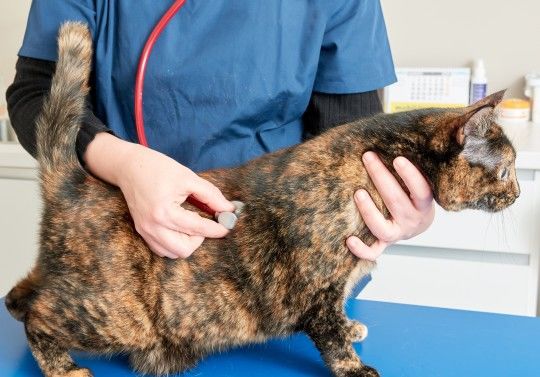 Cats are susceptible to the disease
Yes, it would appear so.
The same Utrecht University study mentioned above found that cats can also get the virus – however, at a rate slightly lower than dogs.
A study run by the University of Guelph in Canada found cats that slept on their owner’s bed seemed to be at particular risk of infection.
According to the US Centers for Disease Control and Prevention (CDC), potential signs of Covid-19 in cats include:
* Coughing or sneezing
* Trouble breathing
* Fever
* Lack of energy
* Runny nose
* Discharge from the eyes
* Diarrhoea or vomiting.
Can hamsters catch Covid?
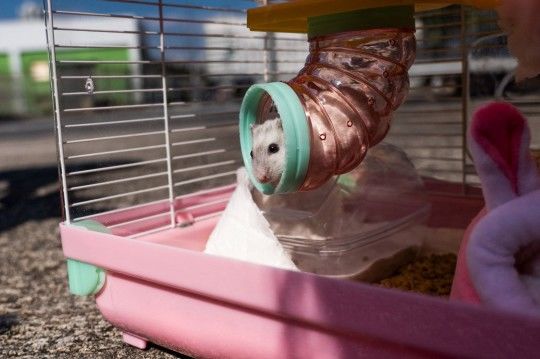 Marshmallow the hamster plays in his cage one last time before officials take him away
Yes, it looks like these teeny tiny rodents can indeed contract the disease.
In January, Hong Kong ordered a mass cull of 2,000 hamsters that were exposed to the virus.
Hundreds of samples were collected from animals at a pet shop that had an outbreak, including rabbits and chinchillas, but interestingly only the hamsters had traces of Covid-19.
There has not been enough research into hamster coronavirus to find common symptoms at present.
But a study did find that Roborobski Dwarf hamsters can actually die from Covid-19, whereas Syrian hamsters were less vulnerable to developing severe cases.
Can ferrets catch Covid?
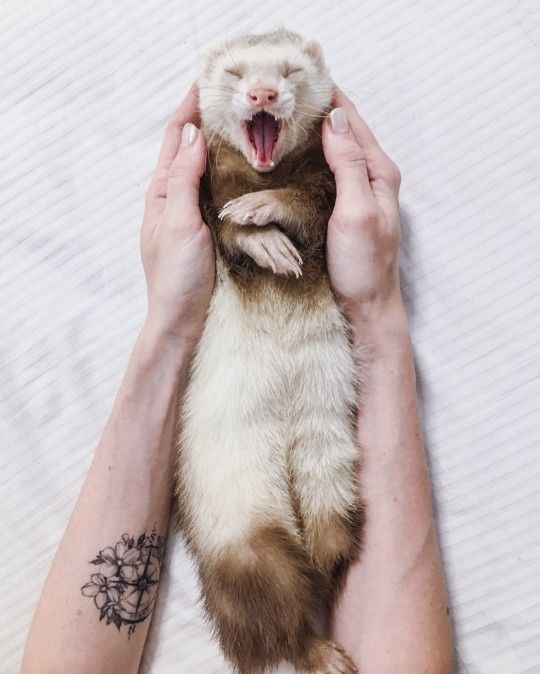 Ferrets can catch Covid-19
It is very well documented that minks can catch coronavirus, with Denmark having to cull 17 million of them in 2020 – but what about their domesticated counterparts?
It turns out that yes, ferrets can very well get Covid-19. In fact, all members of the mustelinae family are suseptable to the disease.
Vet Help Direct lists ferret Covid-19 symptoms as the following:
* Loss of appetite
* Lethargy
* Mild respiratory and digestive disease
The government website states that you should isolate your ferret for 21 days if you or your household are self-isolating – or if you’ve brought your ferret to England from outside the Common Travel Area (UK, Ireland, the Channel Islands and the Isle of Man).
Isolation means you should prevent contact between your ferret and ferrets or people from other households.
What other animals can get Covid?
 Unfortunately, pigs can catch Covid
According to the UK government website, there is evidence that the following species can catch Covid-19:
* Big cats
* Coatimundi
* Domestic cats
* Dogs
* Ferrets and polecats
* Fruit bats
* Hyena
* Mink
* Pangolins
* Pigs
* Primates
* Raccoon dogs
* Rodents, including hamsters
* White-tailed deer.
While we know hamsters can catch Covid, it’s not totally clear if the list means all common rodent pets, such as rabbits, gerbils, guinea pigs, mice, rats and chinchillas, are susceptible to the virus.
Can our pets pass Covid on to us?
In the US, the CDC has assured that the risk of animals spreading Covid-19 to people is low.
And My Family Vets confirmed to Metro.co.uk back in January 2022 that there’s no evidence that pets can transmit the disease from one human to another.
Though as of March 2022, the UK government does write on its website that ‘limited evidence’ suggests it could be passed from hamster to human when close contact occurs.
And that hamsters and cats have been shown to pass it amongst their own species, rather than to humans.
Best thing to do? Follow the government’s advice for pet owners, which reads as follows:
Meanwhile, their advice for pet owners includes:
* Washing your hands before and after any contact with your pet, its food or bedding – avoid hand sanitisers or wipes that may be harmful to animals
* Not sharing food, food bowls or utensils with your pet.
How to test your pet for Covid
There are different tests specific for animals available, including the FASTest Canine Coronavirus (CCoV) Strip, a rapid immunochromatographic test for the detection of Canine Coronavirus Antigen in dog faeces.
The government advises anyone concerned about a pet because of respiratory or digestive problems and a temperature to contact a vet who will decide if it needs to be tested.