0:00
0:00
UK Security Adviser Saw No Imminent Iranian Nuclear Threat Days Before War Erupted
Assessment that diplomacy was still viable raises fresh questions over timing and justification of military action
A senior UK national security official concluded that Iran did not pose an immediate nuclear threat in the days leading up to the outbreak of war, according to newly emerged details that cast light on the final moments before the conflict began.
The assessment was made following high-level diplomatic talks in Geneva, where British officials participated alongside US counterparts in discussions with Iranian negotiators.
According to those familiar with the discussions, the UK delegation judged that Iran’s proposals represented a meaningful step toward a negotiated settlement and that a deal remained within reach.
British officials reportedly viewed Iran’s position, which included limits on enriched uranium and a willingness to pause certain nuclear activities, as a serious basis for further negotiation.
The view within the UK team was that diplomacy had not been exhausted and that there was no clear evidence of an imminent nuclear escalation requiring immediate military intervention.
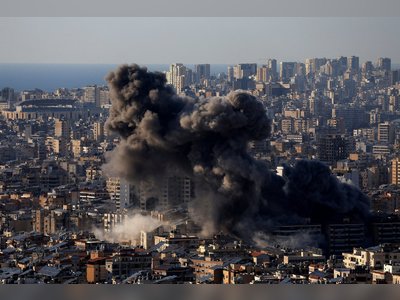
Within days of the talks concluding, however, military strikes were launched by the United States and Israel, marking the beginning of a rapidly expanding regional conflict.
The sudden shift from negotiation to military action has intensified scrutiny of the intelligence assessments and political judgments that preceded the decision.
The UK’s position appears to have been more cautious than that of its allies, with officials reportedly reluctant to endorse the strikes and concerned about both their legality and strategic consequences.
This divergence has highlighted differences in threat perception and risk assessment among Western partners at a critical moment.
The developments have also renewed debate over how intelligence is interpreted in fast-moving geopolitical crises.
While Iran has long been regarded by British authorities as a complex and sometimes unpredictable actor, earlier assessments had framed its nuclear programme as a longer-term concern rather than an immediate trigger for conflict.
The revelation that senior UK officials believed a diplomatic breakthrough remained possible underscores the extent to which the escalation may have interrupted ongoing negotiations.
It also raises broader questions about the balance between diplomacy and military action in addressing nuclear proliferation challenges.
As the conflict continues to unfold, the UK’s earlier assessment is likely to remain a focal point in discussions over the origins of the war and the decisions taken in its critical early stages.
The assessment was made following high-level diplomatic talks in Geneva, where British officials participated alongside US counterparts in discussions with Iranian negotiators.
According to those familiar with the discussions, the UK delegation judged that Iran’s proposals represented a meaningful step toward a negotiated settlement and that a deal remained within reach.
British officials reportedly viewed Iran’s position, which included limits on enriched uranium and a willingness to pause certain nuclear activities, as a serious basis for further negotiation.
The view within the UK team was that diplomacy had not been exhausted and that there was no clear evidence of an imminent nuclear escalation requiring immediate military intervention.
Within days of the talks concluding, however, military strikes were launched by the United States and Israel, marking the beginning of a rapidly expanding regional conflict.
The sudden shift from negotiation to military action has intensified scrutiny of the intelligence assessments and political judgments that preceded the decision.
The UK’s position appears to have been more cautious than that of its allies, with officials reportedly reluctant to endorse the strikes and concerned about both their legality and strategic consequences.
This divergence has highlighted differences in threat perception and risk assessment among Western partners at a critical moment.
The developments have also renewed debate over how intelligence is interpreted in fast-moving geopolitical crises.
While Iran has long been regarded by British authorities as a complex and sometimes unpredictable actor, earlier assessments had framed its nuclear programme as a longer-term concern rather than an immediate trigger for conflict.
The revelation that senior UK officials believed a diplomatic breakthrough remained possible underscores the extent to which the escalation may have interrupted ongoing negotiations.
It also raises broader questions about the balance between diplomacy and military action in addressing nuclear proliferation challenges.
As the conflict continues to unfold, the UK’s earlier assessment is likely to remain a focal point in discussions over the origins of the war and the decisions taken in its critical early stages.