0:00
0:00
Starmer Tells Trump Britain Will Not Be Drawn Into Wider Iran War
UK prime minister stresses defensive approach and diplomacy despite U.S. pressure for deeper military support in the Gulf
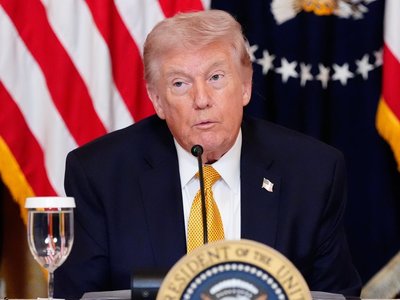
Prime Minister Keir Starmer has made clear that the United Kingdom will not be drawn into a broader war involving Iran, even as President Donald Trump urges allied governments to increase military support for operations linked to the escalating conflict in the Middle East.
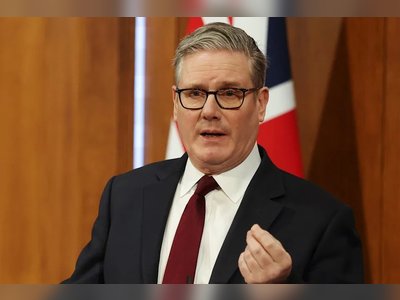
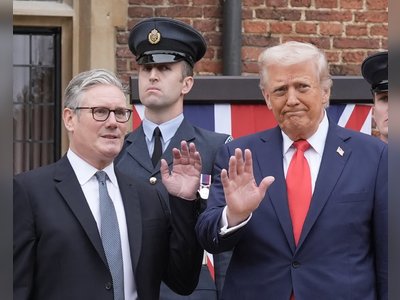
Speaking in London, Starmer said Britain would focus on protecting its national interests and supporting allies in defensive ways, while avoiding direct involvement in a wider regional conflict.
The statement came after President Trump intensified calls for partners to contribute military resources, including naval deployments aimed at safeguarding shipping routes such as the Strait of Hormuz.
The narrow waterway, which connects the Persian Gulf with global markets, carries roughly one-fifth of the world’s oil supply.
Disruptions to tanker traffic during the conflict have pushed energy prices higher and heightened concerns among governments about the stability of global supply chains.
Starmer acknowledged that decisions surrounding Britain’s role in the crisis are complex and under active discussion with the United States, European governments and Gulf partners.
Officials in London are evaluating possible defensive measures, including the use of naval assets or mine-hunting drones to protect maritime routes, but the prime minister emphasized that such steps would not amount to entering the war itself.
“While taking the necessary action to defend ourselves and our allies, we will not be drawn into the wider war,” Starmer said, stressing that Britain’s priority is restoring stability and preventing further escalation.
The comments reflect a growing divergence among Western allies over how to respond to the conflict.
President Trump has argued that countries benefiting from energy shipments through the Gulf should share responsibility for protecting the corridor and maintaining open sea lanes for global trade.
European governments have largely adopted a more cautious approach, calling for clear strategic objectives and diplomatic efforts to resolve the crisis.
Discussions among allied capitals have focused on balancing maritime security with the risk that expanded military involvement could intensify regional tensions.
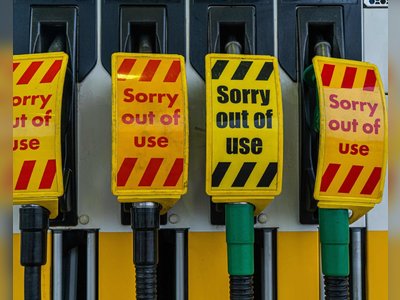
In Britain, the war has also fueled domestic economic concerns, as volatility in energy markets raises fears of higher fuel costs and renewed pressure on household budgets.
The government has warned that prolonged disruption in the Gulf could have significant consequences for the cost of living and wider economic stability.
Starmer said his government would continue working with international partners on a plan to protect shipping while also pursuing de-escalation.
He stressed that a negotiated settlement remains the most effective path toward lasting stability in the region.
Speaking in London, Starmer said Britain would focus on protecting its national interests and supporting allies in defensive ways, while avoiding direct involvement in a wider regional conflict.
The statement came after President Trump intensified calls for partners to contribute military resources, including naval deployments aimed at safeguarding shipping routes such as the Strait of Hormuz.
The narrow waterway, which connects the Persian Gulf with global markets, carries roughly one-fifth of the world’s oil supply.
Disruptions to tanker traffic during the conflict have pushed energy prices higher and heightened concerns among governments about the stability of global supply chains.
Starmer acknowledged that decisions surrounding Britain’s role in the crisis are complex and under active discussion with the United States, European governments and Gulf partners.
Officials in London are evaluating possible defensive measures, including the use of naval assets or mine-hunting drones to protect maritime routes, but the prime minister emphasized that such steps would not amount to entering the war itself.
“While taking the necessary action to defend ourselves and our allies, we will not be drawn into the wider war,” Starmer said, stressing that Britain’s priority is restoring stability and preventing further escalation.
The comments reflect a growing divergence among Western allies over how to respond to the conflict.
President Trump has argued that countries benefiting from energy shipments through the Gulf should share responsibility for protecting the corridor and maintaining open sea lanes for global trade.
European governments have largely adopted a more cautious approach, calling for clear strategic objectives and diplomatic efforts to resolve the crisis.
Discussions among allied capitals have focused on balancing maritime security with the risk that expanded military involvement could intensify regional tensions.
In Britain, the war has also fueled domestic economic concerns, as volatility in energy markets raises fears of higher fuel costs and renewed pressure on household budgets.
The government has warned that prolonged disruption in the Gulf could have significant consequences for the cost of living and wider economic stability.
Starmer said his government would continue working with international partners on a plan to protect shipping while also pursuing de-escalation.
He stressed that a negotiated settlement remains the most effective path toward lasting stability in the region.