0:00
0:00
UK Fuel Prices Poised to Surge as Global Tensions Drive Oil Market Volatility
Analysts warn petrol and diesel costs could climb sharply amid Middle East disruption and supply uncertainty
Fuel prices across the United Kingdom are expected to rise significantly in the coming weeks as escalating geopolitical tensions place sustained pressure on global oil markets.
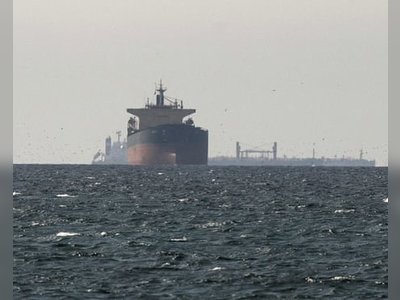
The primary driver behind the anticipated increase is the disruption to shipping routes in the Strait of Hormuz, a critical corridor through which a substantial portion of the world’s oil supply passes.
Heightened military activity in the region has led to reduced tanker movements and increased insurance costs, both of which are feeding directly into wholesale oil prices.
Market analysts suggest that petrol prices could rise by several pence per litre in the near term, with diesel potentially seeing even sharper increases due to tighter supply conditions.
In more extreme scenarios, sustained disruption could push average pump prices beyond previous peaks recorded during earlier energy shocks.
The United Kingdom’s reliance on imported fuel means domestic prices are closely tied to international benchmarks, particularly Brent crude.
As oil prices climb, refiners and retailers are expected to pass on higher costs to consumers, adding further strain to household budgets already affected by inflationary pressures.
Retail pricing, however, is influenced by a combination of factors, including currency movements, taxation and competitive dynamics among suppliers.
While fuel duty remains fixed, fluctuations in the pound against the dollar can amplify or moderate price changes at the pump.
Industry observers note that diesel markets are especially vulnerable, given global supply constraints and strong demand from transport and logistics sectors.
This could result in a widening gap between petrol and diesel prices if current conditions persist.
Government officials are closely monitoring the situation but have not announced immediate policy interventions.
Previous measures to ease fuel costs, such as temporary duty adjustments, remain part of the broader policy toolkit, though any new action would depend on the duration and severity of the price surge.
The outlook for fuel prices will depend largely on developments in the Middle East and the stability of key shipping routes.
If tensions continue or intensify, upward pressure on prices is likely to persist, reinforcing concerns about the broader economic impact of sustained energy market disruption.
The primary driver behind the anticipated increase is the disruption to shipping routes in the Strait of Hormuz, a critical corridor through which a substantial portion of the world’s oil supply passes.
Heightened military activity in the region has led to reduced tanker movements and increased insurance costs, both of which are feeding directly into wholesale oil prices.
Market analysts suggest that petrol prices could rise by several pence per litre in the near term, with diesel potentially seeing even sharper increases due to tighter supply conditions.
In more extreme scenarios, sustained disruption could push average pump prices beyond previous peaks recorded during earlier energy shocks.
The United Kingdom’s reliance on imported fuel means domestic prices are closely tied to international benchmarks, particularly Brent crude.
As oil prices climb, refiners and retailers are expected to pass on higher costs to consumers, adding further strain to household budgets already affected by inflationary pressures.
Retail pricing, however, is influenced by a combination of factors, including currency movements, taxation and competitive dynamics among suppliers.
While fuel duty remains fixed, fluctuations in the pound against the dollar can amplify or moderate price changes at the pump.
Industry observers note that diesel markets are especially vulnerable, given global supply constraints and strong demand from transport and logistics sectors.
This could result in a widening gap between petrol and diesel prices if current conditions persist.
Government officials are closely monitoring the situation but have not announced immediate policy interventions.
Previous measures to ease fuel costs, such as temporary duty adjustments, remain part of the broader policy toolkit, though any new action would depend on the duration and severity of the price surge.
The outlook for fuel prices will depend largely on developments in the Middle East and the stability of key shipping routes.
If tensions continue or intensify, upward pressure on prices is likely to persist, reinforcing concerns about the broader economic impact of sustained energy market disruption.