0:00
0:00
European Governments Decline Trump’s Call to Send Warships to Reopen Strait of Hormuz
Several European allies resist U.S. pressure for naval deployment as leaders seek diplomatic alternatives amid Iran conflict
European governments have pushed back against President Donald Trump’s request for allied warships to help reopen the Strait of Hormuz, underscoring growing caution among Western partners about becoming directly involved in the escalating conflict involving Iran.
The strategic waterway, which connects the Persian Gulf to international markets, has seen severe disruption to tanker traffic during the conflict.
Roughly one fifth of the world’s oil normally passes through the narrow channel, making its stability central to global energy supplies and international trade.
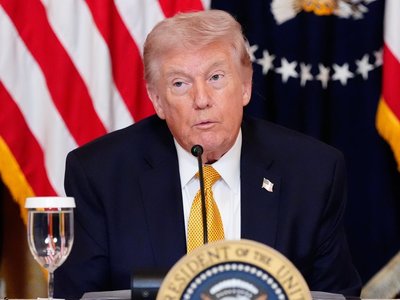
President Trump has urged countries that depend on Gulf energy shipments to contribute naval forces to protect commercial shipping and restore safe passage through the strait.
His administration has emphasized that maintaining open sea lanes is a shared international responsibility and has signaled that the United States is prepared to deploy naval escorts for tankers if necessary to ensure the free flow of global energy.
However, several European governments have responded cautiously to the request.
Germany has firmly ruled out sending warships without a broader international mandate, with officials stressing that any military deployment would require clear legal authority and parliamentary approval.
Other countries across Europe have also expressed reluctance to participate in a naval mission tied to the conflict.
Leaders in several capitals say they want greater clarity on strategic objectives and legal frameworks before committing forces, reflecting concern about the risk of escalation in a region already under severe strain.
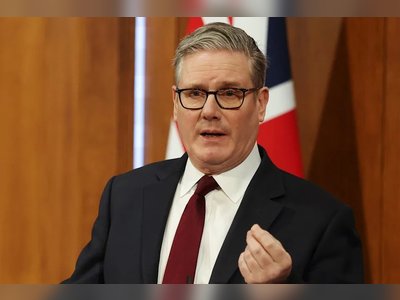
The United Kingdom has adopted a more measured position, indicating it is working with allies to explore options for protecting maritime traffic while avoiding a wider war.
British officials have said that any potential role would focus on defensive measures and coordinated planning with international partners rather than immediate combat deployments.
Across the European Union, diplomats have been consulting on possible responses that could help stabilize shipping routes without expanding military operations.
Some governments are considering surveillance, patrols or limited escort missions, though no coordinated European naval deployment has been announced.
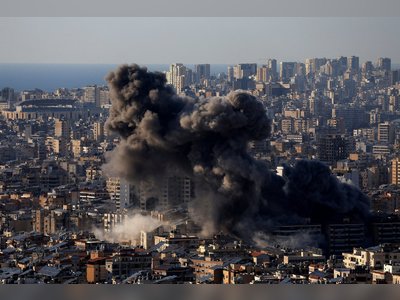
The dispute highlights broader strategic tensions within the Western alliance as the Iran conflict reshapes global energy markets and security calculations.
While Washington has pressed for a coalition to secure one of the world’s most vital shipping corridors, European governments are weighing the risks of deeper involvement in a conflict that could widen across the Middle East.
For now, the gap between Washington’s call for immediate military support and Europe’s cautious approach reflects differing assessments of how best to restore stability to the Gulf while limiting the risk of further escalation.
The strategic waterway, which connects the Persian Gulf to international markets, has seen severe disruption to tanker traffic during the conflict.
Roughly one fifth of the world’s oil normally passes through the narrow channel, making its stability central to global energy supplies and international trade.
President Trump has urged countries that depend on Gulf energy shipments to contribute naval forces to protect commercial shipping and restore safe passage through the strait.
His administration has emphasized that maintaining open sea lanes is a shared international responsibility and has signaled that the United States is prepared to deploy naval escorts for tankers if necessary to ensure the free flow of global energy.
However, several European governments have responded cautiously to the request.
Germany has firmly ruled out sending warships without a broader international mandate, with officials stressing that any military deployment would require clear legal authority and parliamentary approval.
Other countries across Europe have also expressed reluctance to participate in a naval mission tied to the conflict.
Leaders in several capitals say they want greater clarity on strategic objectives and legal frameworks before committing forces, reflecting concern about the risk of escalation in a region already under severe strain.
The United Kingdom has adopted a more measured position, indicating it is working with allies to explore options for protecting maritime traffic while avoiding a wider war.
British officials have said that any potential role would focus on defensive measures and coordinated planning with international partners rather than immediate combat deployments.
Across the European Union, diplomats have been consulting on possible responses that could help stabilize shipping routes without expanding military operations.
Some governments are considering surveillance, patrols or limited escort missions, though no coordinated European naval deployment has been announced.
The dispute highlights broader strategic tensions within the Western alliance as the Iran conflict reshapes global energy markets and security calculations.
While Washington has pressed for a coalition to secure one of the world’s most vital shipping corridors, European governments are weighing the risks of deeper involvement in a conflict that could widen across the Middle East.
For now, the gap between Washington’s call for immediate military support and Europe’s cautious approach reflects differing assessments of how best to restore stability to the Gulf while limiting the risk of further escalation.