0:00
0:00
UK Considers Deploying Ships and Mine-Hunting Drones to Reopen Strait of Hormuz
Energy Secretary Ed Miliband says Britain is examining military options to help restore safe passage through the vital oil shipping corridor amid escalating Iran conflict.
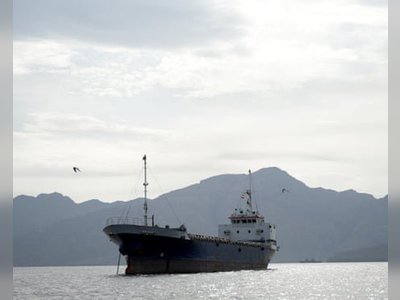
The United Kingdom is considering sending naval vessels and specialised mine-hunting drones to help reopen the Strait of Hormuz as the conflict involving Iran continues to disrupt one of the world’s most critical maritime routes.
Energy Secretary Ed Miliband confirmed that the British government is assessing a range of possible contributions in coordination with international partners, including the United States, as global concern grows over the effective closure of the strategic waterway.
The strait links the Persian Gulf to global markets and normally carries roughly one-fifth of the world’s oil and liquefied natural gas shipments.
Officials in London say discussions with allies are ongoing as governments evaluate how best to restore secure navigation through the narrow passage.
The effort follows calls from US President Donald Trump for partner nations to support international operations aimed at keeping the corridor open and protecting commercial shipping.
Among the options under consideration is the deployment of autonomous mine-hunting drones designed to locate and neutralise naval mines that may threaten tankers and cargo vessels.
These systems simulate ship movements to trigger or identify explosives while keeping human crews at a safer distance.
Britain has increasingly invested in such technology as part of a broader shift toward uncrewed maritime capabilities.
The potential contribution could also involve Royal Navy ships if required, though officials have stressed that no final decision has yet been made.
Britain recently withdrew its last traditional mine-hunting vessel from the Gulf, meaning autonomous systems could play a central role in any new mission to secure the waterway.
The Strait of Hormuz crisis has rapidly become one of the most significant economic flashpoints of the expanding Middle East conflict.
Attacks on vessels and fears that naval mines may have been laid in the shipping lanes have dramatically reduced tanker traffic, pushing global oil prices sharply higher and prompting urgent diplomatic and military planning among Western and Asian governments.
British ministers say any involvement would be designed to support international efforts to safeguard maritime commerce and reduce the risk to global energy supplies.
Discussions among allied nations are continuing as military planners assess the technical and operational challenges of clearing mines and restoring safe passage through the strategically vital strait.
Energy Secretary Ed Miliband confirmed that the British government is assessing a range of possible contributions in coordination with international partners, including the United States, as global concern grows over the effective closure of the strategic waterway.
The strait links the Persian Gulf to global markets and normally carries roughly one-fifth of the world’s oil and liquefied natural gas shipments.
Officials in London say discussions with allies are ongoing as governments evaluate how best to restore secure navigation through the narrow passage.
The effort follows calls from US President Donald Trump for partner nations to support international operations aimed at keeping the corridor open and protecting commercial shipping.
Among the options under consideration is the deployment of autonomous mine-hunting drones designed to locate and neutralise naval mines that may threaten tankers and cargo vessels.
These systems simulate ship movements to trigger or identify explosives while keeping human crews at a safer distance.
Britain has increasingly invested in such technology as part of a broader shift toward uncrewed maritime capabilities.
The potential contribution could also involve Royal Navy ships if required, though officials have stressed that no final decision has yet been made.
Britain recently withdrew its last traditional mine-hunting vessel from the Gulf, meaning autonomous systems could play a central role in any new mission to secure the waterway.
The Strait of Hormuz crisis has rapidly become one of the most significant economic flashpoints of the expanding Middle East conflict.
Attacks on vessels and fears that naval mines may have been laid in the shipping lanes have dramatically reduced tanker traffic, pushing global oil prices sharply higher and prompting urgent diplomatic and military planning among Western and Asian governments.
British ministers say any involvement would be designed to support international efforts to safeguard maritime commerce and reduce the risk to global energy supplies.
Discussions among allied nations are continuing as military planners assess the technical and operational challenges of clearing mines and restoring safe passage through the strategically vital strait.