

Brexit Britain's minimum wage increase sparks furious Frexit uproar – EU and euro FAILING
The UK Government announced it will increase the minimum wage for around two million workers, with those aged 23 and over to see their pay increase from £8.91 an hour to £9.50 as of April 1. The 59p hourly boost to the so-called "national living wage" will mean a full-time worker on the lowest pay will receive a rise of more than £1,000 per year, according to the Government, in an inflation-busting 6.6 percent hike.
The move sparked Generation Frexit leader, Charles-Henri Gallois, to blame the EU and the eurozone model for France's lower wages.
He blasted: "The minimum wage in the UK will increase by 6.6 percent!
"Two times more than inflation! That's £9.5 per hour, or €11.3 per hour. In France, it is €10.5 per hour.
"Contrary to the promises of the candidates for the 2022 presidential election, the EU and the euro are preventing a sharp rise of the minimum growth wage (SMIC) in France.
Critics in the UK questioned how much better off workers will be considering the Chancellor has already hiked National Insurance and cut Universal Credit as inflation rises, with the consumer price inflation rate currently standing at 3.1 percent.
National Insurance Contributions for workers will increase by 1.25 percentage points from April to help pay for the NHS and social care, while he ended the £20-a-week Universal Credit coronavirus uplift earlier this month.
The Chancellor has confirmed he will scrap the UK Government's year-long public sector pay freeze in his Budget on Wednesday, paving the way for a possible wage increase next year for those such as teachers, nurses, police and armed forces personnel.
But there is no guarantee the increase will be higher than the rising cost of living, meaning workers could still feel worse off.
According to the latest available data from the Office for National Statistics, there were 5.68 million public sector workers registered in June.
Mr Sunak has not set out how much wages will be boosted by, with the rises set to be announced next year following recommendations from independent pay review bodies.
And business minister Paul Scully refused to guarantee the increases would be above the level of inflation.
"That will be determined by the pay review bodies. The Chancellor is keen to give people a rise," he told Sky News.
"They will then take that into account as they look to what should be an appropriate rise for the public sector, given the public finances.
"I can't pre-empt what they are going to do. We will see where we are come next April when the review bodies have reported."
Mr Scully acknowledged the economy is going through a "difficult time" in terms of cost-of-living pressures.
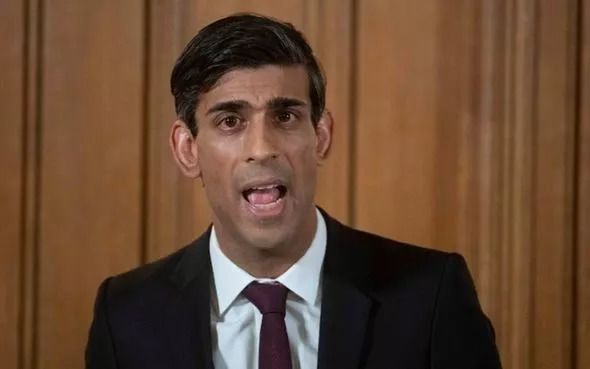 Rishi Sunak announced it will increase the minimum wage for around two million workers
Unions urged Mr Sunak to commit to an above-inflation rise and to guarantee new money for departments so that pay increases do not have to come from cuts elsewhere.
TUC general secretary Frances O'Grady said: "We need a proper plan from the Chancellor tomorrow to get pay rising across the economy.
"That means a pay rise for all public sector workers that at least matches the cost of living. If Rishi Sunak does not increase department budgets, the pay freeze will be over in name only."
Unison general secretary Christina McAnea said: "If the Chancellor doesn't allocate extra money to government departments to fund the much-needed wage rises, the pay freeze will continue in all but name.
"Anything less than the rate of inflation is, effectively, a pay cut."
Economist Ben Zaranko, from the Institute for Fiscal Studies think tank, said: "A pay rise from April 2022 won't provide any immediate help or solace to public sector workers struggling with rising costs of living over the coming winter months.
"It would also take a sustained period of pay growth for public sector workers to undo the real-terms pay cuts that many experienced over the course of the 2010s."
The announcements made by the Chancellor will impact workers in England or employed by the UK Government, but if extra funding is made available there will be money for the Scottish, Welsh and Northern Irish administrations to boost pay if they want to follow suit in areas for which they have responsibility, such as health and education.
The Chancellor last November "paused" public sector pay increases for 2021/22, with the exception of the NHS and those earning less than £24,000, after heavy borrowing during the Covid-19 crisis.
Announcing the end of the freeze, Mr Sunak said: "With the economy firmly back on track, it's right that nurses, teachers and all the other public sector workers who played their part during the pandemic see their wages rise."

