UK Junk Food TV Advertising Ban Prompts Supermarkets to Revamp Holiday Campaigns
Major retailers shift festive advertising strategies as new regulations restricting high-fat, sugar and salt food adverts reshape UK Christmas marketing.
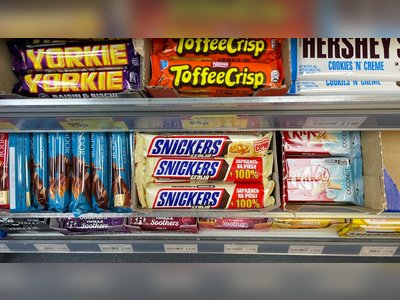
Adverts for traditional festive treats and “junk food” are noticeably absent from UK television screens this Christmas as major supermarkets and food brands adjust their marketing in response to a new regulatory ban on pre-9 pm advertising of foods high in fat, sugar and salt.
Retailers including Tesco, Waitrose, Marks & Spencer and Asda have reworked their campaigns to comply with rules that prohibit broadcast promotions of certain less healthy products before the watershed and that will extend to paid online advertising from early January 2026. The shift is a direct outcome of government measures designed to address childhood obesity by curbing children’s exposure to advertising for less healthy foods, which will be fully enforced by the UK advertising regulator in the new year.
Ahead of the formal enforcement date, brands voluntarily began aligning with the requirements in October, resulting in Christmas adverts that foreground permissible items or focus on brand messaging without featuring banned products.
For example, Waitrose’s seasonal advertisement centres on a home-baked pie and wholesome moments, Lidl’s campaign shows festive shoppers choosing apples, and Asda places its iconic character in a fresh produce aisle, while Morrisons has opted to eschew specific product images altogether.
The complex nature of the rules has led advertisers to innovate, emphasising creative approaches that spotlight permitted foods or highlight broader brand values rather than traditional indulgent fare.
In some cases, this has led to unexpected advertising choices, given the detailed criteria that determine which products qualify as less healthy, and even items such as sandwiches and certain breakfast cereals may be restricted under the regulations.
The transition illustrates a significant regulatory impact on one of the UK’s most lucrative advertising periods, compelling food retailers and brands to rethink their seasonal messaging and balance commercial objectives with compliance.
At the same time, critics of the policy argue that provisions allowing brand-only adverts without identifiable products could dilute its public health aims, and industry stakeholders have increased spending on other media channels less affected by the ban.
Nevertheless, the current festive advertising landscape demonstrates how the impending junk food ad restrictions are reshaping the way supermarkets and food companies engage audiences during the crucial holiday season.
Retailers including Tesco, Waitrose, Marks & Spencer and Asda have reworked their campaigns to comply with rules that prohibit broadcast promotions of certain less healthy products before the watershed and that will extend to paid online advertising from early January 2026. The shift is a direct outcome of government measures designed to address childhood obesity by curbing children’s exposure to advertising for less healthy foods, which will be fully enforced by the UK advertising regulator in the new year.
Ahead of the formal enforcement date, brands voluntarily began aligning with the requirements in October, resulting in Christmas adverts that foreground permissible items or focus on brand messaging without featuring banned products.
For example, Waitrose’s seasonal advertisement centres on a home-baked pie and wholesome moments, Lidl’s campaign shows festive shoppers choosing apples, and Asda places its iconic character in a fresh produce aisle, while Morrisons has opted to eschew specific product images altogether.
The complex nature of the rules has led advertisers to innovate, emphasising creative approaches that spotlight permitted foods or highlight broader brand values rather than traditional indulgent fare.
In some cases, this has led to unexpected advertising choices, given the detailed criteria that determine which products qualify as less healthy, and even items such as sandwiches and certain breakfast cereals may be restricted under the regulations.
The transition illustrates a significant regulatory impact on one of the UK’s most lucrative advertising periods, compelling food retailers and brands to rethink their seasonal messaging and balance commercial objectives with compliance.
At the same time, critics of the policy argue that provisions allowing brand-only adverts without identifiable products could dilute its public health aims, and industry stakeholders have increased spending on other media channels less affected by the ban.
Nevertheless, the current festive advertising landscape demonstrates how the impending junk food ad restrictions are reshaping the way supermarkets and food companies engage audiences during the crucial holiday season.