Some Palestine Action Hunger Strikers Pause Protest as Others Vow to Continue Amid Critical Health Crisis
Two prisoners temporarily end hunger strikes due to severe health decline while four activists remain resolute in their protest over detention conditions and legal treatment in the UK.
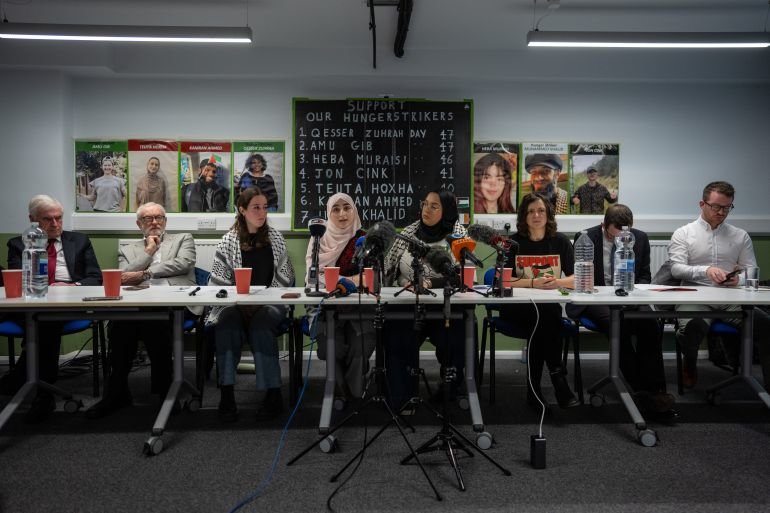
In the United Kingdom, a protest by incarcerated members associated with the pro-Palestinian group Palestine Action entered a fraught new phase as two hunger strikers temporarily suspended their fasts in response to severe health deterioration, while four others vowed to continue their protest in custody.
The hunger strike, which began on the second of November and has now lasted for more than forty days for many of the detainees, involves activists held on remand without trial on charges related to alleged direct action at defence facilities and military sites.
Supporters and legal representatives say the strikers are pressing for improved prison conditions, access to bail and fair trial protections, and are rejecting prolonged pre-trial detention far beyond statutory limits.
Qesser Zuhrah and Amu Gib ended their refusal of food after forty-eight and forty-nine days respectively, citing critical health concerns, though both have signalled intentions to resume their protest early in the new year once conditions permit.
Their decision follows reports of declining physical condition and concerns about access to timely medical care, which have been highlighted by family members and supporters demanding more comprehensive oversight of the hunger strikers’ treatment.
Four other detainees, identified as Kamran Ahmed, Heba Muraisi, Teuta Hoxha and Lewie Chiaramello, remain on hunger strike and have publicly reiterated their commitment to continue despite escalating risks to their wellbeing.
Earlier in the month, two other participants ended their fasts after hospitalisation due to deteriorating health and underlying medical conditions.
Health professionals, including hundreds of doctors and nurses, have written to the Justice Secretary warning that the remaining protesters could face life-threatening consequences without urgent intervention, a plea echoed by families and members of parliament.
Protests in solidarity with the strikers have taken place outside prisons and government offices, prompting notable demonstrations in London and other cities, including the arrest of high-profile supporters such as climate campaigner Greta Thunberg, who was detained for holding a sign in support of the prisoners.
The British government has so far declined to engage directly with the activists or their representatives on the hunger strike, maintaining that decisions over bail and detention are matters for the judiciary.
As health concerns mount and international attention grows, the standoff highlights deep divisions over detention conditions, government response to protest movements, and broader debates about civil liberties and state powers in handling politically charged activism.
The hunger strike, which began on the second of November and has now lasted for more than forty days for many of the detainees, involves activists held on remand without trial on charges related to alleged direct action at defence facilities and military sites.
Supporters and legal representatives say the strikers are pressing for improved prison conditions, access to bail and fair trial protections, and are rejecting prolonged pre-trial detention far beyond statutory limits.
Qesser Zuhrah and Amu Gib ended their refusal of food after forty-eight and forty-nine days respectively, citing critical health concerns, though both have signalled intentions to resume their protest early in the new year once conditions permit.
Their decision follows reports of declining physical condition and concerns about access to timely medical care, which have been highlighted by family members and supporters demanding more comprehensive oversight of the hunger strikers’ treatment.
Four other detainees, identified as Kamran Ahmed, Heba Muraisi, Teuta Hoxha and Lewie Chiaramello, remain on hunger strike and have publicly reiterated their commitment to continue despite escalating risks to their wellbeing.
Earlier in the month, two other participants ended their fasts after hospitalisation due to deteriorating health and underlying medical conditions.
Health professionals, including hundreds of doctors and nurses, have written to the Justice Secretary warning that the remaining protesters could face life-threatening consequences without urgent intervention, a plea echoed by families and members of parliament.
Protests in solidarity with the strikers have taken place outside prisons and government offices, prompting notable demonstrations in London and other cities, including the arrest of high-profile supporters such as climate campaigner Greta Thunberg, who was detained for holding a sign in support of the prisoners.
The British government has so far declined to engage directly with the activists or their representatives on the hunger strike, maintaining that decisions over bail and detention are matters for the judiciary.
As health concerns mount and international attention grows, the standoff highlights deep divisions over detention conditions, government response to protest movements, and broader debates about civil liberties and state powers in handling politically charged activism.