UK Police Pledge ‘More Assertive’ Enforcement to Tackle Antisemitism at Protests
Metropolitan and Greater Manchester Police announce tougher actions, including arrests for inflammatory chants, amid rising threats to Jewish communities
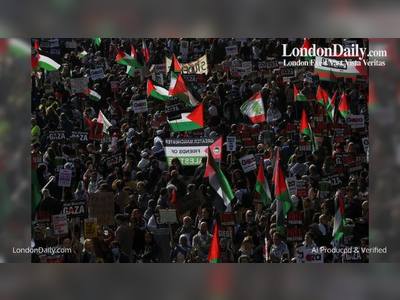
British police leaders have unveiled a more assertive strategy to address what they describe as an escalating threat of antisemitic rhetoric and intimidation at public demonstrations, particularly pro-Palestinian protests.
In a coordinated statement, the commissioners of the Metropolitan Police in London and Greater Manchester Police said recent violent attacks, including an antisemitic massacre at Bondi Beach in Australia and a fatal synagogue assault in Manchester, have fundamentally changed the context in which protest language is understood and enforced.
The chiefs emphasised that chants and placards that may incite fear or violence — notably slogans like “globalise the intifada” — will no longer be tolerated on the streets and could lead to immediate arrest under public order legislation.
Officers are being briefed on enhanced powers and guidance, including the use of the Public Order Act to set conditions on demonstrations and to protect vulnerable communities, such as around places of worship.
Jewish advocacy groups, including national security organisations that monitor antisemitism, have welcomed the shift as a necessary step to reinforce safety and deter hostile conduct that they say has contributed to a climate of fear.
They cited a sustained surge in antisemitic incidents across the United Kingdom this year, with community security data showing a high number of recorded offences and violent assaults.
Home Office sources and senior politicians have also signalled support for a firmer policing posture, linking it to broader efforts to safeguard minority communities while balancing fundamental freedoms.
Civil liberties and protest rights advocates have criticised the new approach, arguing that policing rhetoric and enforcement risk chilling lawful political expression and conflating contentious slogans with criminal behaviour.
They have urged clearer definitions and judicious use of powers to avoid undermining free speech, while acknowledging the need to prevent disorder.
Police leaders maintained that it is possible to protest in support of international causes without intimidating or targeting Jewish communities, and that enforcement actions will focus on conduct that crosses legal thresholds.
In the first days after the announcement, several arrests were reported at a Westminster protest where demonstrators chanted forbidden slogans, underscoring the immediate impact of the revised approach as forces prepare for upcoming demonstrations amid an unsettled social atmosphere.
In a coordinated statement, the commissioners of the Metropolitan Police in London and Greater Manchester Police said recent violent attacks, including an antisemitic massacre at Bondi Beach in Australia and a fatal synagogue assault in Manchester, have fundamentally changed the context in which protest language is understood and enforced.
The chiefs emphasised that chants and placards that may incite fear or violence — notably slogans like “globalise the intifada” — will no longer be tolerated on the streets and could lead to immediate arrest under public order legislation.
Officers are being briefed on enhanced powers and guidance, including the use of the Public Order Act to set conditions on demonstrations and to protect vulnerable communities, such as around places of worship.
Jewish advocacy groups, including national security organisations that monitor antisemitism, have welcomed the shift as a necessary step to reinforce safety and deter hostile conduct that they say has contributed to a climate of fear.
They cited a sustained surge in antisemitic incidents across the United Kingdom this year, with community security data showing a high number of recorded offences and violent assaults.
Home Office sources and senior politicians have also signalled support for a firmer policing posture, linking it to broader efforts to safeguard minority communities while balancing fundamental freedoms.
Civil liberties and protest rights advocates have criticised the new approach, arguing that policing rhetoric and enforcement risk chilling lawful political expression and conflating contentious slogans with criminal behaviour.
They have urged clearer definitions and judicious use of powers to avoid undermining free speech, while acknowledging the need to prevent disorder.
Police leaders maintained that it is possible to protest in support of international causes without intimidating or targeting Jewish communities, and that enforcement actions will focus on conduct that crosses legal thresholds.
In the first days after the announcement, several arrests were reported at a Westminster protest where demonstrators chanted forbidden slogans, underscoring the immediate impact of the revised approach as forces prepare for upcoming demonstrations amid an unsettled social atmosphere.