

Why Brexit, millennials could fuel Britain's Islamic finance market
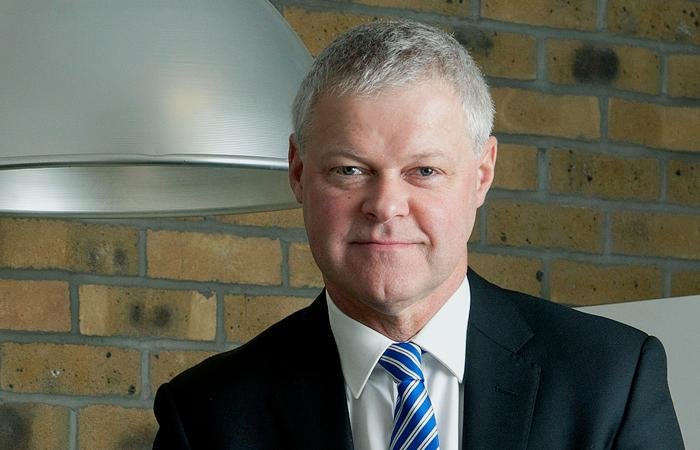
Brexit could prove a boon for the UK’s growing Islamic finance industry, according to Charles Haresnape, CEO of one of the country’s top Sharia-compliant challenger banks.
“There’s so many people living in Europe who are interested in Islamic finance,” Haresnape told Arabian Business. “Brexit could offer new opportunities for British Islamic financiers if the efforts are coordinated by all stakeholders, such as the UK government and banks.”
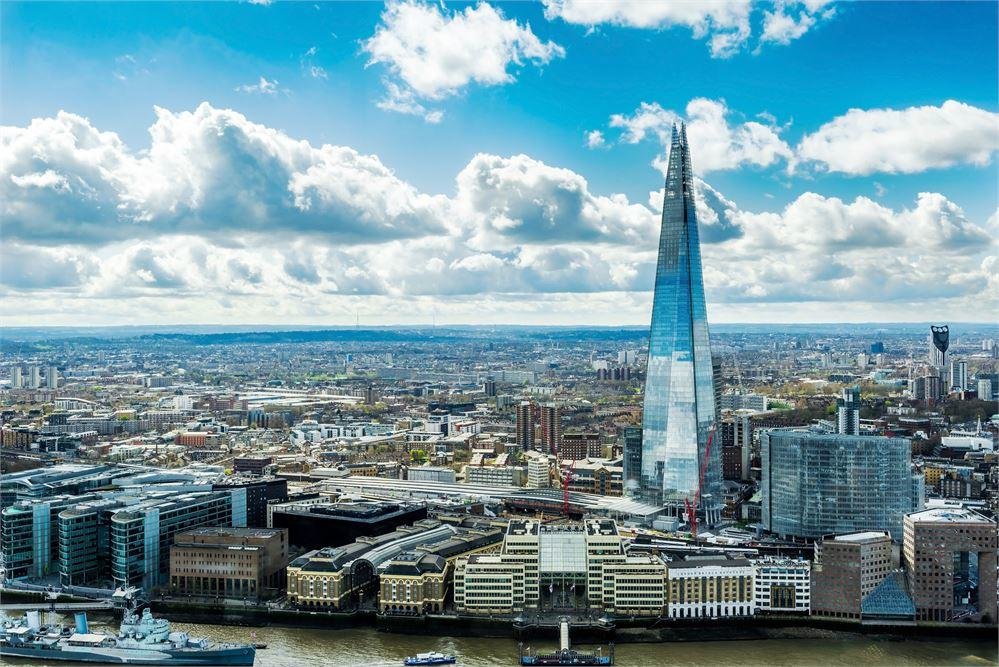
The UK is currently the biggest supplier of commercial Sharia finance outside of the Muslim countries. London has more than 20 international banks operating in Islamic finance – five of which are fully Sharia-compliant. London is also home to more than 20 law firms that are supplying legal services relating to Islamic finance for global and domestic markets. Islamic finance mechanisms have been used to finance a range of iconic London projects, like The Shard, the Olympic Village, and the redevelopment of the Chelsea Barracks and the Battersea Power Station sites.
“The UK is at the forefront of promoting Islamic finance into western society. There is a lot of activity on an institutional level, but the biggest challenge is growing the personal finance market,” said Haresnape.
Founded in 2008, Gatehouse Bank has around £1.2 billion in assets and offers a wide spread of Islamic retail and business finance products, including Home Purchase Plans (HPPs), saving accounts and commercial real estate finance. But the general availability of such products in the UK remains limited, said Haresnape.
In the UK, only two other banks – CBME and Al Rayan Bank – offer Islamic retail products.
“The overall Islamic finance sector can only grow if more banks offer Sharia compliant facilities,” said the CEO. “There would be more demand if there was a broader supply.”
As yet, no UK bank offers a Sharia compliant current account. According to Haresnape, the “scale isn’t there”, however he suggests Middle Eastern banks could partner with UK banks to offer broad-spectrum current accounts.
“In the UK, a lot of Muslim customers tend to compromise and go down the conventional route because that’s all that’s available. However, in the future I could see bigger banks in the Middle East partnering with banks in the UK,” the CEO said. “That’s one way to achieve British current account penetration without starting from scratch.”
Haresnape also points to lack of Islamic finance awareness as a sticking point for the sector’s growth in the UK.
“The benefits of Islamic finance are not yet widely known,” he said. “But we find once the consumers understand the concept and the benefits of it, they are very interested. It’s up to banks partly to promote Islamic finance and its ethical benefits.”
Gatehouse Bank’s 2019 Islamic Finance Consumer Report is believed to be the first study of its kind to unpick the barriers and drivers to adoption of Shariah-compliant products by Muslim consumers in Britain.
A key recommendation of the report is that the industry better communicates what makes its products Shariah-compliant, after finding that over three-fifths (61 percent) of consumers were skeptical about how Islamic the products really are.
Awareness and perception of Islamic finance among non-users of Islamic products is one of the industry’s biggest obstacles to overcome, with only 53 percent of non-users knowing anything about it, and only 35 percent of non-users viewing it favourably, the research found.
“I think a whole group of stakeholders could do more together to raise awareness and provide more incentive for Islamic finance across the UK,” Haresnape said.
“The government, treasury and banks – the more these interested parties are joined up, the message will get out there more strongly. It would be great if one of the bigger mainstream banks would offer Islamic services because then it would get more traction in the UK,” he added.
The CEO said the country’s young population could yet be the biggest uptaker of Islamic finance.
“The new generation is now more interested in what’s behind the finance offerings, as well as the returns. The tide is turning with people being more interested in the principles behind the finance,” he explained.
“Islamic finance doesn’t allow funds into gambling and alcohol, for example, and once people understand that they think that’s quite interesting and become quite keen. Today’s younger consumers are more interested in what a company stands for.”

Looking to the future, Haresnape said Gatehouse Bank would stay focused on its core business and growing awareness of its products.
“We have no plans as yet to go into debit cards and current accounts. While we are always looking at different opportunities, we’re committed to growing out what we are already doing.”
Five things we learned:
1. Brexit could offer new opportunities for British Islamic financiers if efforts are coordinated by all stakeholders, such as the UK government and banks.
2. The UK is currently the biggest supplier of commercial Sharia finance outside of the Muslim countries.
3. Founded in 2008, Gatehouse Bank is one of three Islamic banks in the UK and has around £1.2 billion in assets.
4. Awareness and perception of Islamic finance among non-users of Islamic products is one of the industry’s biggest obstacles to overcome.
5. Britain’s young population could yet be the biggest uptaker of Islamic finance.