Weight-loss medicines are now used in 8.5% of households in Great Britain, research suggests, putting them in more homes than vegetarians and pescatarians combined.
Worldpanel by Numerator estimates that about 2.6 million adults were taking the drugs in August 2026, roughly 700,000 more than in February. The proportion of households with a user rose from 6.3% to 8.5% over those six months.
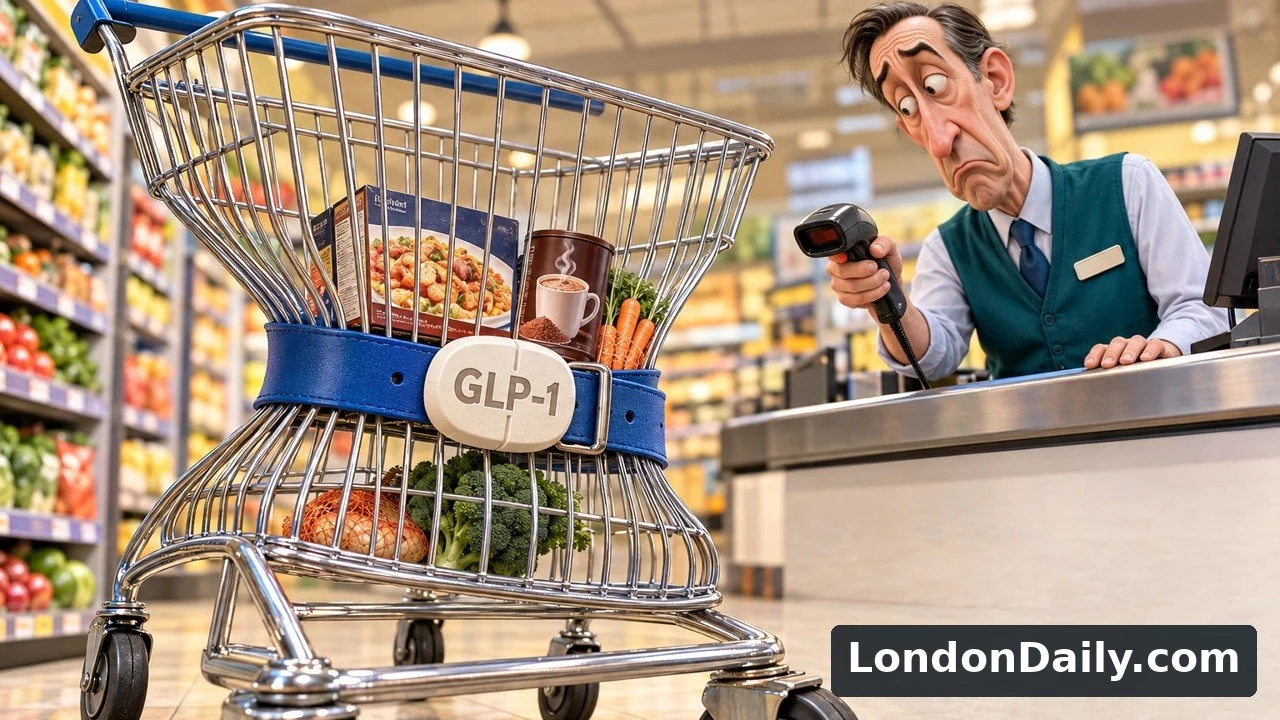
The expansion is changing supermarket shopping. Research covering more than 9,600 households found that, during the year after starting treatment, households with a GLP-1 user collectively spent £1bn less on groceries than expected compared with similar households. That estimate, up from £780m calculated in June, represents 415 million fewer items and £389 a year displaced from each user household’s shopping basket.
Spending and purchase volumes fell at similar rates, indicating that the change involved buying fewer goods, rather than simply spending less on them. Worldpanel has tracked the drugs’ effects on purchasing since March 2024.
Pills have widened the choice beyond injections. Weight-loss tablets such as Wegovy received UK approval in June, and a once-daily Wegovy pill went on sale in high street pharmacies in Britain in July. Tablets now account for 11.2% of GLP-1 users.
Men represent 32% of people taking weight-loss medication, compared with 23% in February. Male users have nearly doubled to 830,000 from 440,000 nine months earlier.
Nishita Pattni, a senior consultant at Worldpanel by Numerator, said user numbers had risen almost as much between February and August 2026 as during the whole previous year. She argued that a daily pill was easier for many people than an injection and expected its convenience, alongside rising male uptake, to broaden demand further.
The shopping effects are uneven. Alcohol spending fell by 15% more among GLP-1 users than in households without users, with a similar decline for crisps as users snacked less. Conversely, frozen ready-meal sales rose 30% by volume. Both spending and volumes increased for hot chocolate and malt drinks, as users continued to buy small treats.
Household uptake is now comparable with purchases of Kellogg’s Rice Krispies, at 8.6%, and Corona beer, at 8.4%.
Chantel Kennaugh, Worldpanel’s head of public sector and nutrition, said estimates suggested usage would exceed 10% of households in 2027. That remains a forecast. The current findings already suggest a practical challenge for retailers and manufacturers: demand is shifting towards smaller portions and different treats, not falling uniformly across the shelves.








Join the conversation