London Daily

Focus on the big picture.
Saturday, Jul 18, 2026

Sacked NatWest worker has customer details under her bed

Sacked NatWest worker has customer details under her bed

An ex-bank worker who has the financial details of 1,600 customers hidden under her bed said her efforts to return them have "taken over her life".

The woman told the BBC she was sent home with the sensitive data as part of her job selling mortgages for NatWest in Southampton more than 10 years ago.

She was sacked in 2009 for failing to return customer information, but claims the bank refused to take it back.

NatWest said the situation had resulted in "no customer detriment".

It added that it believed until 2019 the woman had returned all of the customer data in 2012.

The woman said the documents included account details belonging to customers in Hampshire, Dorset, Berkshire, London, Bristol, Surrey, Essex, Herefordshire and the West Midlands.

In exchange for the return of the information, the woman "continues to seek a settlement agreement involving payment from the bank and an uncapped indemnity in relation to any claims against her," a spokesperson for NatWest Group said.

But the woman said she believed NatWest should compensate her and claimed this was never contingent on her returning the documents.
She was employed at a number of NatWest branches in Hampshire before working from home between 2006 and 2009


The woman, who asked to remain anonymous because she fears being targeted by burglars, said she becomes anxious about leaving the data before going on holiday, and feels like the bank "doesn't care" about the customers affected.

"To me, that's 1,600 people - if the house got burgled and it fell into the wrong hands... what on earth would happen to them?" she said.

"The bank have put me in a position that I should never have been in."

She added that shredding the documents would not protect her from any potential future litigation and it "wasn't the right thing to do".

The woman, who was allowed to work from home in 2006, said while working for NatWest she was generating £1m in mortgage business a week.
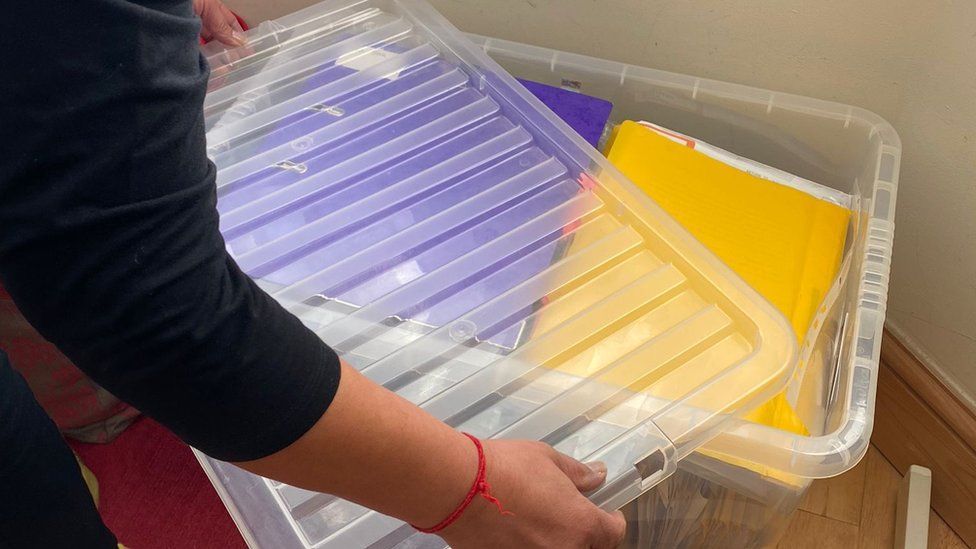
The woman showed the BBC boxes of correspondence with the bank covering a 15-year period


This involved handling account and customer identification numbers, names, sort codes, credit card details, direct debits, and addresses.

She said she became concerned about holding large quantities of highly sensitive data outside of the bank, and asked the Information Commissioner's Office (ICO) for advice while she still worked for NatWest.

The woman said she has now reached a stalemate with the bank over the wording of a receipt that would agree conditions for the return of the documents.

A letter from the ICO, seen by the BBC, said a receipt signed by both parties would not be "considered unreasonable... especially as it is understood that the bank has no record of what data it had given to [the woman] to carry out her duties".

The woman was sacked for gross misconduct in 2009. A redacted email she obtained via a subject access request showed a NatWest employee had said of her dismissal: "That's what I call an achievement."
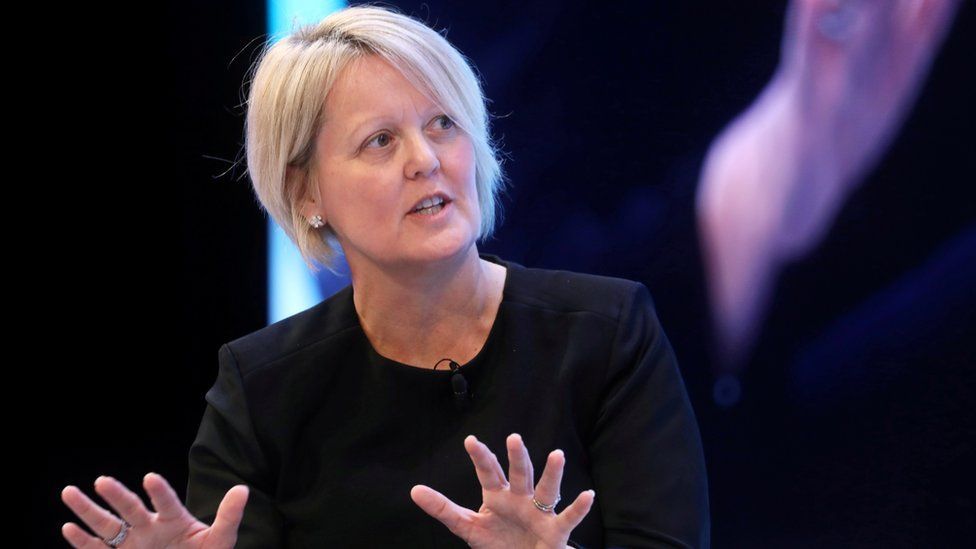
Alison Rose, chief executive of NatWest Group, has not responded to emails sent to her by the woman


However, she said the ongoing decade-long fight to return the documents has "taken over my life".

"It's taken me away from my children, it's given me anxiety," she said.

A spokesperson for NatWest Group, which was branded as Royal Bank of Scotland during much of the dispute, said the woman was dismissed for gross misconduct for "her repeated refusal to return customer information".

They said they had "no concerns that this historical documentation has been shared with any other parties", and had previously believed all of the data was returned in 2012 via the ICO.


Newsletter

Related Articles

0:00
0:00
Close
For 36 Years, He Scammed About 300 Luxury Hotels — Until He Was Caught
Britain Nationalises British Steel to Protect Scunthorpe Production and Strategic Supply
Andy Burnham Takes Labour Leadership and Prepares to Become Britain’s Seventh Prime Minister in a Decade
Tech Companies Want to Move Computing Off Your Screen and Onto Your Body
White House Teleprompter Operator Earned More Than $100,000 From Bets Linked to the President's Speeches
French Prime Minister Survives No-Confidence Vote After Controversial Budget Cuts
European Commission Opens Excessive Deficit Procedure Against France
French Senate Blocks Key Immigration Reform Measures
French Government Pushes EU Action Against Ultra-Fast Fashion Imports
French Parliament Debates Expanded Autonomy Powers for Corsica
France Reopens Autonomy Talks With New Caledonia After Months of Unrest
Bordeaux Wine Producers Seek Three Hundred Million Euro Aid Package After Export Collapse
French Farmers Block Spain Border Crossings Over Imported Food Competition
Cannes Film Festival Bans Fully Artificial Intelligence-Generated Films From Competition
TotalEnergies Shifts More Than Three Billion Euros of Green Investment From Europe to the United States
LVMH Chief Executive Bernard Arnault Presents Succession Plan for Luxury Empire
Kering Reports Fifteen Percent Revenue Drop as Chinese Luxury Demand Weakens
Sanofi Reports Positive Results From Messenger RNA Respiratory Vaccine Trials
France Places Energy Price Caps Under Review to Protect Households Through Winter
EDF Connects Two New Nuclear Reactors to France’s Electricity Grid
Mistral Secures European Commission Contract for Sovereign Artificial Intelligence Models
Renault Opens Next-Generation Electric Battery Plant in Northern France
Air France Signs Two Billion Euro Sustainable Aviation Fuel Deal to Cut Emissions
Marseille Launches Three Billion Euro Port Expansion to Strengthen Mediterranean Trade Role
French-Owned Ubisoft Announces Global Restructuring With Nearly One Thousand Job Cuts
National Railway Operator Suspends Artificial Intelligence Ticket Pricing System After Consumer Backlash
United Kingdom to Ban Sales of High-Caffeine Energy Drinks to Under-Sixteens
Home Office Designates Iranian and Russian Paramilitary Groups as National Security Threats
National Health Service Launches Housing Plan to Retain London Healthcare Workers
British Heatwave Fuels Wildfires and Emergency Evacuations in Scotland
United Kingdom and Estonia Sign Defence Agreement to Strengthen NATO’s Eastern Flank
United Kingdom Cuts Bilateral Aid to African Nations by More Than Eighty Percent
Bank of England Overhauls Banking Rules to Encourage More Lending to Businesses
United Kingdom and India Free Trade Agreement Enters Into Force, Reshaping Bilateral Economic Ties
Andy Burnham Confirmed as New Labour Leader and Prime Minister-Designate
UK Government Faces Pressure Over Extreme Heat Workplace Rules
Lewisham Council Blocks Cooperation With Home Office Immigration Enforcement
UK Parliament Investigates Growing Pressures on Scotch Whisky Industry
Teen Hackers Sentenced Over Thirty-Nine Million Pound Transport for London Cyber Attack
Ministry of Defence Acquires Scottish Fuel Terminal to Strengthen Royal Navy Operations
Bank of England Eases Rules as Economic Growth Remains Weak
Bank of England Governor Warns Andy Burnham on Britain’s Long Economic Stagnation
UK Defence Ministry Buys Scottish Fuel Terminal to Secure Naval Energy Supplies
UK Secures Access to European Defence Contracts Through Ukraine Support Deal
Bank of England Plans Easier Capital Rules to Encourage More Lending
Met Office Says England and Wales Have Already Broken Summer Heat Records
Counter-Terrorism Police Lead Investigation Into Murder of Former Minister Ann Widdecombe
UK Government Nationalises British Steel to Protect Domestic Steel Production
French National Assembly Overrides Senate to Pass Historic Assisted-Dying Legislation
Spanish Prime Minister's Wife Ordered to Stand Trial as Corruption Probes Encircle Governing Party
×