London Daily

Focus on the big picture.
Saturday, May 30, 2026

Look past the headlines and Bank of England's governor seems ready to flex his eyebrows

Look past the headlines and Bank of England's governor seems ready to flex his eyebrows

The Bank of England has announced that it's leaving interest rates and its quantitative easing programme unchanged. In practical terms, the Bank has done nothing to counter inflation. But that could soon change, says Ed Conway.

Once upon a time, which is to say about a century ago, central bankers did not communicate in the way normal people do.

Rather than telling the world what they were about to do, they used their eyebrows instead.

If the governor raised his eyebrows (it has always been a he, so far), that was a clear sign to markets and investors that something important was coming - a change in interest rates or financial regulation or something similar.

Now we're in the era of 24-hour TV news and social media, you might have thought that the eyebrows would no longer be necessary, but there's reason to believe the current governor - Andrew Bailey - is getting ready to flex them.
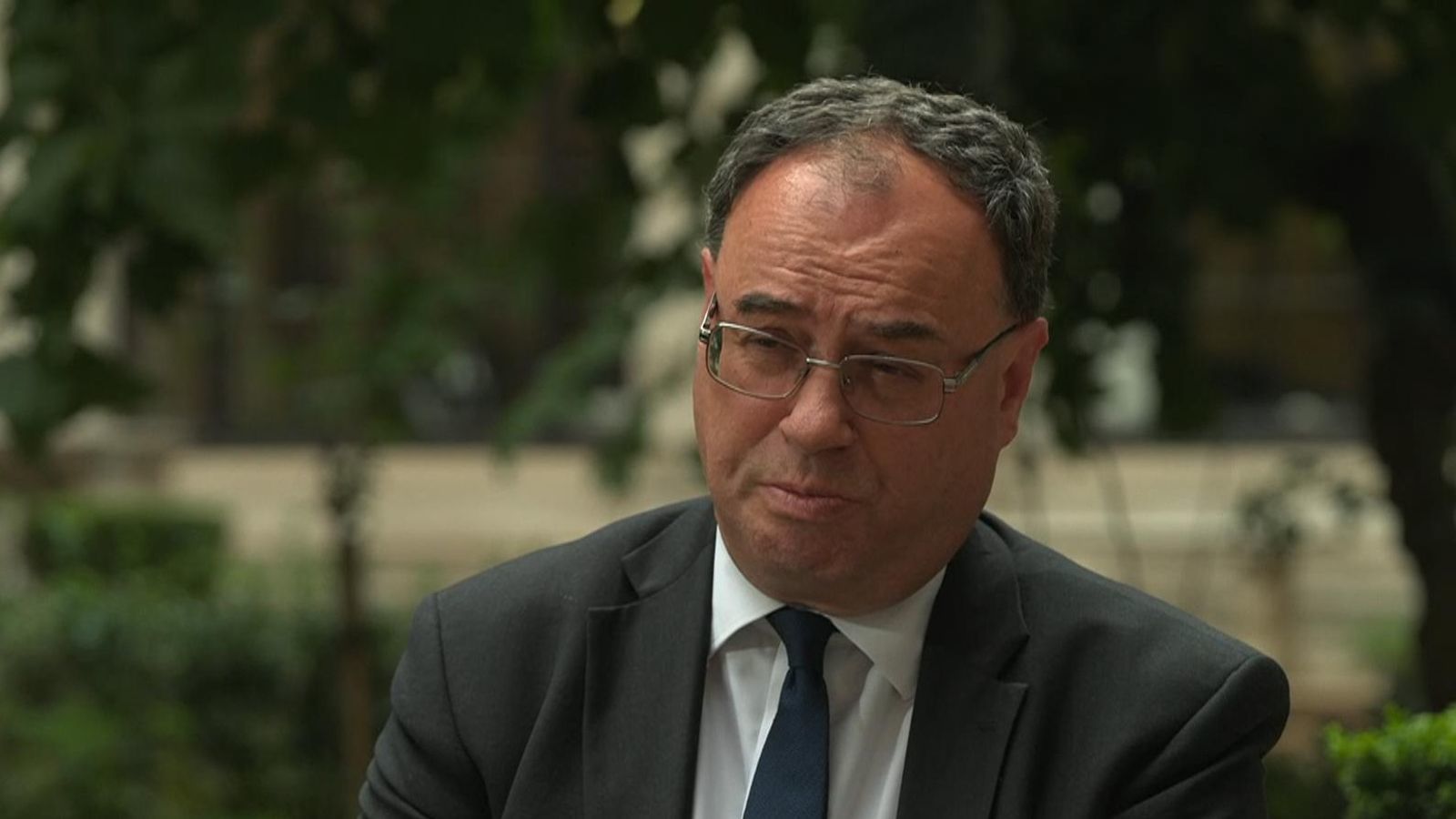
BoE governor Andrew Bailey


Today the Bank of England announced that it was leaving interest rates where they are at 0.1%, and would leave its quantitative easing (QE) programme, whereby it is creating money to buy government bonds, unchanged.

There were two members of the nine-person monetary policy committee voting to trim QE, but in practical terms, the Bank did nothing. No surprises.

Yet read deeper into the reams of documents the Bank released today, and you get the sense of an eyebrow moving somewhat - quivering if not rising. The key fact in the backdrop to this is that inflation - as measured by the consumer price index - is now comfortably above the Bank's 2% target.

Indeed, it's so far above target that the governor had to write a letter of explanation to the chancellor.

In that letter the governor trotted out the Bank's familiar position: yes inflation is high, yes this is higher than we expected, but even so, we expect it to fall back in due course. This will, so he wrote, be "transitory".

But while such pronouncements seemed confident earlier this year, they are becoming slightly less convincing as prices rise higher and higher. For one thing, the Bank now thinks that not only will CPI inflation rise above 4%, but it will also be there until the middle of next year. That's nearly a whole year of inflation at double the Bank's target.

For another, the Bank conceded that energy prices could well push that up even further. Finally, within the minutes, the Bank signalled that interest rates may soon go up. Developments, it said, "appear to have strengthened that case".

In the wake of these minutes, the traders betting on future changes in interest rates seemed to take this as a signal.

A small increase (0.15 percentage points) is now nearly a 90% probability next February, according to these markets. The eyebrows, in other words, seem to be signalling something.

Comments

Oh ya 5 year ago
Central banks can not raise interest rates to slow inflation. Countries are so far in debt they are borrowing money now to make ends meet. They would be bankrupt in a month if the rate goes up.

Newsletter

Related Articles

0:00
0:00
Close
Japanese Technology Firm Fujitsu Launches Advanced Artificial Intelligence Tool for Corporate Disclosures
South Africa Officially Launches Nationwide Campaign for Highly Contested Local Government Elections
United Kingdom Commits Additional Funding for Unexploded Ordnance Clearance in Laos
Singapore Announces Stringent New Greenhouse Gas Regulations for Commercial Cooling Systems
Cambodia and Thailand Hold High-Level Border Security Talks at United Nations Headquarters
Myanmar Military Government and China Sign Major Agreement to Upgrade Media and Cultural Cooperation
Knife Attack at Swiss Train Station Leaves Three Injured in Suspected Act of Domestic Terrorism
Transnational Extortion Gang Threatens Canadian Police With Army of One Thousand Armed Operatives
Australia Imposes Forty-Two-Day Quarantine on Cruise Ship Passengers Following Deadly Hantavirus Outbreak
International Monetary Fund Unlocks Seven Hundred Million United States Dollars for Sri Lanka Following Economic Reforms
Australia Launches Record One Point Four Billion Dollar Lawsuit Against Chemical Giant 3M Over Contamination
China and Canada Foreign Ministers Meet in Ottawa in Effort to Stabilize Strained Diplomatic Ties
Indonesia Demands Urgent United Nations Security Council Reform Amid Escalating Global Conflicts
Extreme Weather Patterns Trigger Severe Drought in Madagascar and Destructive Flooding in East Africa
Indian State of Karnataka Faces Political Upheaval as Chief Minister Siddaramaiah Abruptly Resigns
Philippines and Japan Reaffirm Defense Ties as Crucial for Indo-Pacific Regional Stability
Norway Joins French Nuclear Deterrence Initiative in Major Shift for European Security Architecture
Global Critical Mineral Alliances Expand as Western Nations Move to Counter Chinese Supply Dominance
United States Imposes Fifty Percent Tariffs on Mexican Steel and Aluminum Ahead of Trade Pact Review
European Union and China Head Toward Major Trade Conflict Over Clean Technology Exports
United States Economic Growth Severely Downgraded to One Point Six Percent as Stagflation Fears Mount
World Health Organization Warns Central African Ebola Epidemic is Outpacing Containment Efforts
United States Treasury Department Conditions Sanctions Relief on Reopening of the Strait of Hormuz
Iranian Air Defenses Intercept and Destroy United States Military Drone Over Bushehr Province
Iranian Armed Forces Launch Ballistic Missiles Toward Unspecified Targets Prompting Regional Condemnation
United Nations Secretary-General Warns Global Order Facing Highest Level of Conflict Since 1945
Israel Issues Sweeping Evacuation Orders in Southern Lebanon Amid Intensified Hezbollah Conflict
Russia Announces Systemic Military Strikes Targeting Ukrainian Defense and Energy Infrastructure
United States and Iranian Negotiators Reach Draft Agreement to Extend Ceasefire and Resume Nuclear Talks
United Nations Security Council Deeply Divided Over United States Capture of Venezuelan President
US and Iran Exchange Direct Military Strikes Amid Fragile Gulf Ceasefire
World Health Organization Warns of Catastrophic Ebola Outbreak in DR Congo
Russia Threatens New Wave of Strikes on Ukrainian Infrastructure and Embassies
Scientists Warn Atlantic Ocean Currents Could Collapse Faster Than Projected
Anthropic Reaches $900 Billion Valuation in Historic AI Funding Round
Washington Imposes Crippling Sanctions on Iranian Maritime Authority
Japan and the Philippines Initiate Strategic Intelligence-Sharing Pact
Microsoft Deploys Autonomous Computer-Using AI Agents to Global Markets
Anthropic Secures $45 Billion Compute Infrastructure Agreement With SpaceX
U.S. Director of National Intelligence Resigns Amid Administration Shakeup
Micron Technology Crosses Trillion-Dollar Valuation Amid Unprecedented Hardware Demand
Canada and Germany Finalize Historic Long-Term LNG Export Agreement
China Expands International Travel Restrictions on Domestic AI Researchers
Japan Approves Sweeping Overhaul of National Intelligence Apparatus
Global Airlines Scramble Logistics as Middle East Airspace Remains Fractured
Japan's Naphtha Imports Plunge 47 Percent Amid Strait of Hormuz Closure
Global Crude Prices Retreat Below $96 as Gulf Tensions Momentarily Ease
Generative AI Outperforms Human Baselines in Landmark Global Creativity Study
NASA Partners With Private Aerospace to Unveil Permanent Lunar Base Architecture
South Korean Equity Markets Surge on Next-Generation Memory Chip Frenzy
×