London Daily

Focus on the big picture.
Saturday, Apr 25, 2026

Harm to AstraZeneca jab’s reputation ‘probably killed thousands’

Harm to AstraZeneca jab’s reputation ‘probably killed thousands’

Scientist who worked on jab criticises ‘bad behaviour’ by scientists and politicians who damaged reputation of Covid vaccine

Scientists and politicians “probably killed hundreds of thousands of people” by damaging the reputation of the AstraZeneca vaccine, according to an Oxford scientist who worked on the jab.

Prof John Bell said: “They have damaged the reputation of the vaccine in a way that echoes around the rest of the world.”

“I think bad behaviour from scientists and from politicians has probably killed hundreds of thousands of people – and that they cannot be proud of that,” he told a BBC Two documentary

When the Oxford/AstraZeneca jab was rolled out in the UK government advisers recommended under-40s should be offered an alternative due to a link to very rare blood clots.

Fears over the links to blood clots also led other countries, including Germany, France, Spain, Italy, the Netherlands, the Republic of Ireland, Denmark, Norway, Bulgaria, Iceland and Thailand, to pause their use of the vaccine.

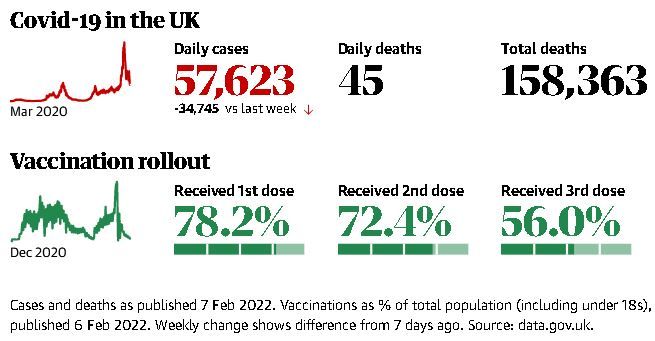
The AstraZeneca vaccine has also not played a significant role in the booster programme. The BBC reported it accounted for only 48,000 of the more than 37m booster doses given in the UK.

The AZ vaccine was celebrated as a UK success story and billed as “Britain’s gift to the world” when it was developed.

It was designed to be cheap, and developers had the ambition that it should be available at low cost. Unlike the mRNA vaccines, it could be transported at low cost and stored at fridge temperature. Nearly half of the adult population in the UK received two doses of the vaccine.

The AZ vaccine’s approval in the UK coincided with Britain’s separation from the EU.

“I don’t think it made relations with Europe any easier that it was promoted as the British vaccine,” Bell told the documentary, AstraZeneca: A Vaccine for the World, to be broadcast on the BBC on Tuesday at 9pm.

Before European regulators made their decision, Germany decided it should not be given to those over 65, and France’s president, Emmanuel Macron, called the vaccine “quasi-ineffective” in people over 65.

The European Medicines Agency approved the jab for all adults of all ages. Both France and Germany later reversed their positions, the documentary says, but the reputation of the vaccine had been damaged.

There were also major rows about distribution. The vaccine was being manufactured in both the UK and the EU, but because the UK had been guaranteed priority in a deal signed before the rest of Europe, the company was unable to send vaccines from British plants to supplement EU stock.

The overall risk of blood clots is very low – estimated at one in 65,000 overall – but slightly higher in younger adults. When European regulators declared that the vaccine’s benefits outweighed its risks, most lifted their suspension – but put age restrictions on the vaccine, the BBC said.

When it came to deciding on booster doses in the UK, the clots issue and the simplicity of the Pfizer or Moderna mRNA jabs not being age-restricted, sealed the AZ vaccine’s fate.

It is registered as a booster vaccine in the UK, but it proved simpler to give the majority of people Pfizer or Moderna – even though this was a more expensive option. Since then, evidence has shown that mixing different types of vaccine may offer better protection, according to the documentary.


Newsletter

Related Articles

0:00
0:00
Close
Inside the Gates Foundation Turmoil: Layoffs, Scrutiny, and the Cost of Reputational Risk
UK Biobank Breach Exposes Health Data of 500,000, Listed for Sale on Chinese Platform
KPMG Cuts Around 10% of US Audit Partners After Failed Exit Push
French Police Probe Suspected Weather-Data Tampering After Unusual Polymarket Bets on Paris Temperatures
CATL Unveils Revolutionary EV Battery Tech: 1000 km Range and 7-Minute Charging Ahead of Beijing Auto Show
Crypto Scammers Capitalize on Maritime Chaos Near the Strait of Hormuz: A Rising Threat to Shipping Companies
Changi Airport: How Singapore Engineered the World’s Most Efficient Travel Experience
Power Dynamics: Apple’s Leadership Shakeup, Geopolitical Risks in the Strait of Hormuz, and Europe's Energy Strategy Amidst Global Challenges
Apple's Leadership Transition: Can New CEO John Ternus Navigate AI Challenges and Geopolitical Pressures?
Italy’s €100K Tax Gambit: Europe’s Soft Power Tax Haven
News Roundup
Microsoft lost 2.5 millions users (French government) to Linux
Privacy Problems in Microsoft Windows OS
News roundup
Péter András Magyar and the Strategic Reset of Hungary
Hungary After the Landslide — A Strategic Reset in Europe
Meghan Markle Plans Exclusive Women-Focused Retreat During Australia Visit
Starmer and Trump Hold Strategic Talks on Securing Strait of Hormuz Amid Rising Tensions
Unofficial Australia Visit by Prince Harry and Meghan Expected to Stir Tensions with Royal Circles
Pipeline Attack Cuts Significant Share of Saudi Arabia’s Oil Export Capacity
UK Stocks Rise on Ceasefire Momentum and Renewed Focus on Diplomacy
UK to Hold Further Strategic Talks on Strait of Hormuz Security
Starmer Voices Frustration as Global Tensions Drive Up UK Energy Costs
UK Students Voice Concern Over Proposal for Automatic Military Draft Registration
Rising Volatility Drives Uncertainty in UK Fuel and Petrol Prices
UK Moves to Deploy ‘Skyhammer’ Anti-Drone System to Strengthen Airspace Defense
New Analysis Explores UK Budget Mechanics in ‘Behind the Blue’ Feature
Man Arrested After Four Die in Channel Crossing Tragedy
UK Tightens Immigration Framework with New Sponsor Rules and Fee Increases
UK Foreign Secretary Highlights Impact of Intensified Strikes in Lebanon
UK Urges Inclusion of Lebanon in US-Iran Ceasefire Framework
UK Stocks Ease as Ceasefire Doubts in Middle East Weigh on Investor Confidence
UK Reassesses Cloud Strategy Amid Criticism Over Limited Support Measures
UK Calls for Full and Toll-Free Access Through Strait of Hormuz Amid Rising Tensions
Starmer Signals Strategic Shift for Britain Amid Escalating Iran-Linked Tensions
UK Issues Firm Warning to Russia Over Covert Underwater Military Activity
OpenAI Halts Stargate UK Project, Casting Uncertainty Over Britain’s AI Expansion Plans
Starmer Voices Frustration Over Global Pressures Driving UK Energy Costs Higher
UK Deploys Military Assets to Protect Undersea Cables From Suspected Russian Threat
Canada Aligns With US, UK and Australia as Europe Prepares Major Digital Border Overhaul
Meghan Markle’s Planned Australia Appearance Sparks Fresh Speculation
Starmer Warns Sustained Effort Needed to Ensure US–Iran Ceasefire Holds
UK to Partner with Shipping Industry to Rebuild Confidence in Strait of Hormuz, Cooper Says
UK Interest Rate Expectations Ease Following US–Iran Ceasefire Agreement
Starmer Signals Major Effort Needed to Fully Reopen Strait of Hormuz During Gulf Visit
UK Fuel Prices Face Ongoing Volatility Amid Global Pressures and Domestic Factors
Kanye West’s Planned Italy Festival Appearance Draws Debate After UK Entry Ban
Smuggling Routes Shift Toward Belgium as Migrant Crossings to UK Evolve
Ceasefire Offers Potential Relief for UK Fuel and Food Prices Amid Ongoing Uncertainty
Iran Conflict Raises Questions Over UK’s Global Influence and Military Preparedness
×