London Daily

Focus on the big picture.
Friday, Sep 25, 2026

Two indicators slowdown already under way after Bank of England warns of 15-month recession

Two indicators slowdown already under way after Bank of England warns of 15-month recession

The bank rate is now at its highest level since 2008 as the Bank of England warns of tough times ahead - but signs of slowdown are already there.

Just a day after the Bank of England warned of a 15-month recession, there are signs in housing and recruitment that the slowdown is already well under way.

Figures out on Friday showed that house prices fell in July (in monthly terms) for the first time in more than a year, with warnings that the market is likely to weaken further following the bank's hiking of interest rates from 1.25% to 1.75%.

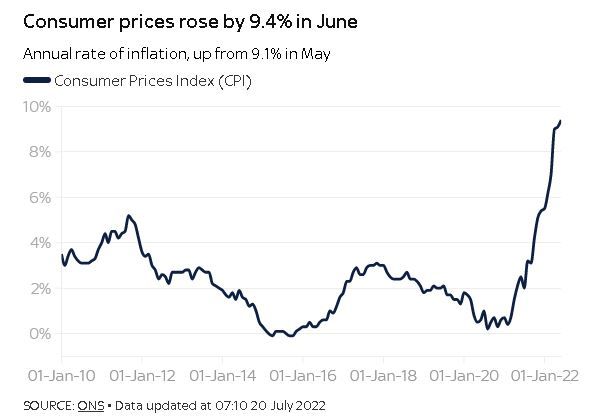
The bank rate is now at its highest level since 2008, as the bank tries to fight inflation which is running at 9.4% - well above its 2% target - and is forecast to pass 13% later this year.

It comes as households face record-breaking increases in energy bills, and mortgage lender Halifax said that this rapidly-spiralling cost of living would have its effect on the market, as buyers look to rein in spending.

In July the average house price stood at £293,221 - down £365 or 0.1% from the previous month's record high. In annual terms, however, prices still rose by 11.8%, compared to the 12.5% seen in June.

Russell Galley, Halifax managing director, said: "House prices are likely to come under more pressure as those market tailwinds fade further and the headwinds of rising interest rates and increased living costs take a firmer hold.

"Therefore a slowing of annual house price inflation still seems the most likely scenario."

It comes after a report from rival lender Nationwide which showed house prices rose in July, but at the slowest monthly pace seen in a year.

Bank of England data has also shown the lowest number of new mortgage approvals in two years during June.

The gloomy outlook is also resulting in fewer staff being hired by businesses, as they too become more cautious.

A study of 400 recruiters by the Recruitment and Employment Confederation and KPMG showed that businesses - facing increasing costs from energy prices and inflation - are "rightly hesitant" about their hiring plans.

Claire Warnes, of KPMG, said: "The trend of uncertainty in the UK jobs market of the last few months continues, as overall hiring activity saw another slowdown in July.

"Given the challenging economic outlook, employers are rightly hesitant about their hiring plans, but, to compound this, a lack of suitable candidates and an overall skills shortage in most sectors are keeping starting salaries high."
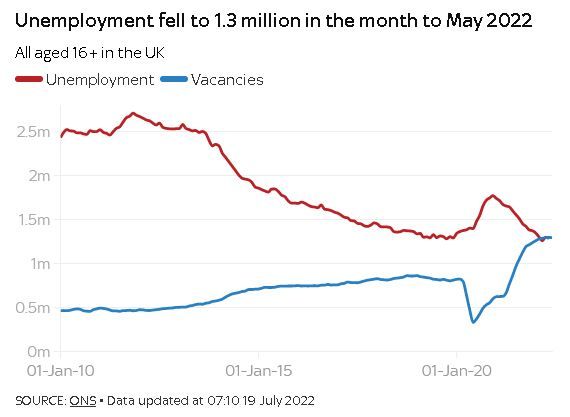

Kate Shoesmith, deputy chief executive of the REC, said: "The jobs market remains solid. Demand for staff continues to rise, as it has done since early 2021, rising in every sector.

"Starting salaries are still growing too, making this a good time for jobseekers to be looking for their next role.

"However, growth in permanent hiring has softened in recent months. We've seen that rising fuel and energy prices, inflation and labour shortages are impacting employer confidence.

"Labour and skills shortages are also restricting opportunities for both the private and public sector to meet consumer demand."
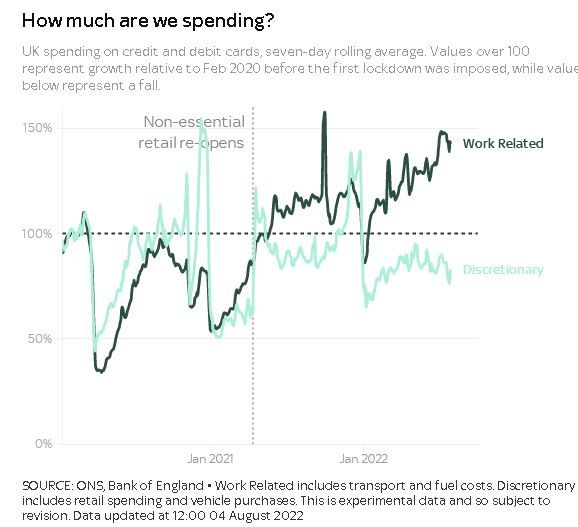

In the past week, the closely-watched PMI surveys have also shown signs of slowdown in the services, manufacturing and construction sectors.

It all presents a massive challenge for the next prime minister, as Conservative Party members prepare to choose between Rishi Sunak and Liz Truss for the role.

In Sky News's Battle for Number 10 Leadership Special on Thursday night, Ms Truss insisted a recession is not inevitable, adding: "We can change the outcome and we can make it more likely that the economy grows".

When her rival Mr Sunak was asked whether there is anything that can be done about a recession, he said: "Of course there is, of course."

He said "gripping inflation" would be the best way of preventing a recession, saying: "So what I'm not going to do is embark on a borrowing spree worth tens of billions of pounds, put that on the country's credit card, ask our kids and our grandkids to pick up the tab, because that's not right. That's not responsible."

Newsletter

Related Articles

0:00
0:00
Close
Police Arrest Far-Right Activist After Migrant Dinghy Slashed in English Channel
Synthetic Opioids Drive Renewed Rise in Scotland’s Drug Deaths
Reported Assaults on Britain’s Railways Rise 20% in a Year
Vistry Cuts Profit Forecast as Losses Weigh on UK Housebuilder
TikTok Drops Appeal and Accepts £12.7 Million UK Data Protection Fine
Russell Group Urges UK Government to Drop Proposed International Student Levy
Legal & General Plans to Cut 1,000 Jobs by Mid-2027
UK Health Bill Would Remove Independent Governors From NHS Foundation Trusts
BMA Raises Patient Safety Concerns Over Advanced Practitioners Filling Doctor Rotas
UK’s Largest AI Supercomputer Delayed by Power Supply Constraints
NHS Orders Security Cameras in Neonatal Units Following Thirlwall Inquiry
Post-Brexit Trade Barriers Cost UK Economy Up to £6.5 Billion a Year, Analysis Says
UK Parliament Launches Inquiry Into Bank of England Monetary Policy Independence
Global Bond Selloff and Higher Oil Prices Narrow UK Budget Options
UK Prime Minister Andy Burnham Addresses UN and Holds First Meeting With Donald Trump
Royal Navy Commandos Complete Maritime Operations Training With US Navy SEALs
Vistry Profit Warning Adds to Concerns Over UK Housebuilding Conditions
UK Commits £343 Million to Major Expansion of Community Mental Health Services
Five Eyes Partners Back UK-Led Campaign Against Global Fraud Networks
UK Businesses Gain Full Access to £13 Trillion CPTPP Trading Bloc
UK Allocates Nearly £10 Billion for Council, Social and Affordable Housing
Chancellor John Healey Unveils Deregulation Drive to Accelerate UK Investment and Growth
Prime Minister Andy Burnham Sets Out Post-Brexit Foreign Policy Vision at United Nations
UK Reassesses Chagos Arrangements as Burnham Seeks New Path on Diego Garcia
Key Trends to Watch
Government’s “Buy British” Procurement Push Targets More Domestic Jobs and Industrial Capacity
Scotland Launches Four-Year Flood Resilience Programme With New Community Funding
Low-Income Renters Face Record Gap Between Housing Support and Private Rents
UK and US Test Torpedo Launch From British Undersea Drone in Defence Technology Milestone
Britain Pushes Artificial Intelligence Security Onto United Nations Security Council Agenda
Treasury Committee Defends Office for Budget Responsibility Independence Amid Fiscal Pressure
Scotland Records Eleven Per Cent Rise in Drug-Use Deaths as Cocaine and Nitazenes Drive Concern
Welsh Government Sets Four-Year Programme Around Health, Living Costs, Jobs and Housing
Study Finds Most People With High Blood Pressure in England Remain Undiagnosed
Britain Plans First National Workplace Health System to Tackle Economic Inactivity
England to Introduce Vocational GCSEs in Major Secondary Education Reform
UK Elevates Climate and Nature Risks to National Security Priority
Andy Burnham and Donald Trump Put Trade at Centre of First Major Bilateral Meeting
Andy Burnham and Ursula von der Leyen Push Ahead With Closer UK-European Union Economic Ties
UK Government Borrowing Jumps to Eighteen Point Three Billion Pounds Ahead of October Budget
Piddington Residents Back Symbolic Independence Vote Over Asylum Accommodation Plan
Reform UK Names Helen Jenner as New Leader in Wales
England Expands Devolution of Transport, Skills and Economic Development Powers
Liberal Democrats Call for Temporary Fuel Duty Cut to Ease Cost-of-Living Pressure
UK Farmers Warn Drought Has Caused Crop Failures and Reduced Harvests
UK Fixed Mortgage Rates Approach 6% as Lenders Raise Borrowing Costs
YouGov Poll Puts Labour at 23% With Conservatives and Reform UK on 21%
Badenoch Presses Burnham to Increase Defence Spending and Cut Welfare Costs
UK Military Figures Warn of Growing Threats to Undersea Infrastructure and National Readiness
BP Moves Ahead With Sale of UK North Sea Oil and Gas Business
×