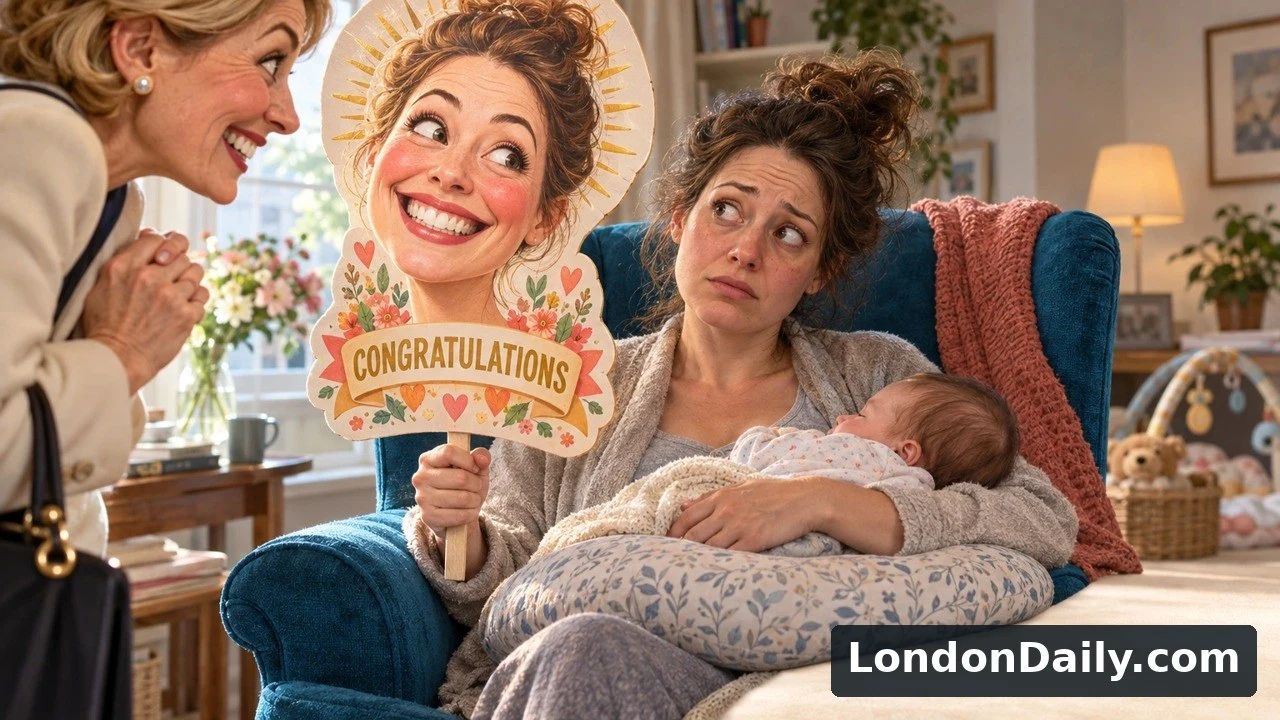
Four in five mothers surveyed by parenting platform ChatMum.co.uk reported mental health symptoms described as ‘baby shock’, with almost a quarter calling their experience extreme and half hiding their feelings for fear of judgement.
The poll of more than 2,000 UK parents covered experiences ranging from exhaustion and depression to intrusive thoughts and postnatal psychosis. Twelve per cent of mothers reported intrusive thoughts, including fears that they might deliberately harm their baby; 7% said they regretted having a baby. These accounts describe thoughts and fears, not evidence that harm occurred.
Fathers also reported distress: seven in ten experienced shock on becoming parents, and one in six described extreme symptoms. Across respondents, 96% said parenthood significantly changed who they were. Some 58% described themselves as a very or completely different person from before giving birth.
Specialists draw parallels between the stress responses associated with early parenthood and battlefield trauma. That comparison does not establish that four in five mothers have post-traumatic stress disorder: the headline finding concerns reported symptoms, rather than a stated rate of clinical diagnosis.
Judith Rees, chief operating officer of trauma charity For Baby’s Sake, said childbirth and combat were different experiences but could involve similar responses to perceived threat. Fear, pain and helplessness could leave mothers on high alert after danger had passed, unable to relax or feel connected to their baby. She also highlighted childhood trauma and domestic abuse as factors that could compound distress.
Health visitor Tracey Stone said such shock could follow any birth, not only a traumatic delivery. She argued that support should extend to parents who were functioning without a diagnosable condition but remained distressed.
Women’s health GP and former obstetrician Dr Nikki Ramskill described a gap between idealised expectations and the reality of childbirth. Rees said parents who had spent years trying for a baby could face additional pressure to feel happy, while fear of social care involvement could discourage mothers from speaking openly.
Rees linked isolation to reduced contact with midwives and health visitors and early discharge from postnatal wards. Stone said many maternity services had not recovered since the pandemic.
ChatMum founder Siobhan Freegard, who experienced postnatal depression, cited estimated annual UK economic costs of £6.6 billion to £8.1 billion from untreated perinatal mental health problems and called for greater openness.
Free family services are available through Best Start Family Hubs. Ramskill recommends that mothers explain their feelings to their GP and request a referral to a postnatal mental health team. Stone’s distinction is that acknowledging parenthood is difficult should not mean accepting distress without support.








Join the conversation