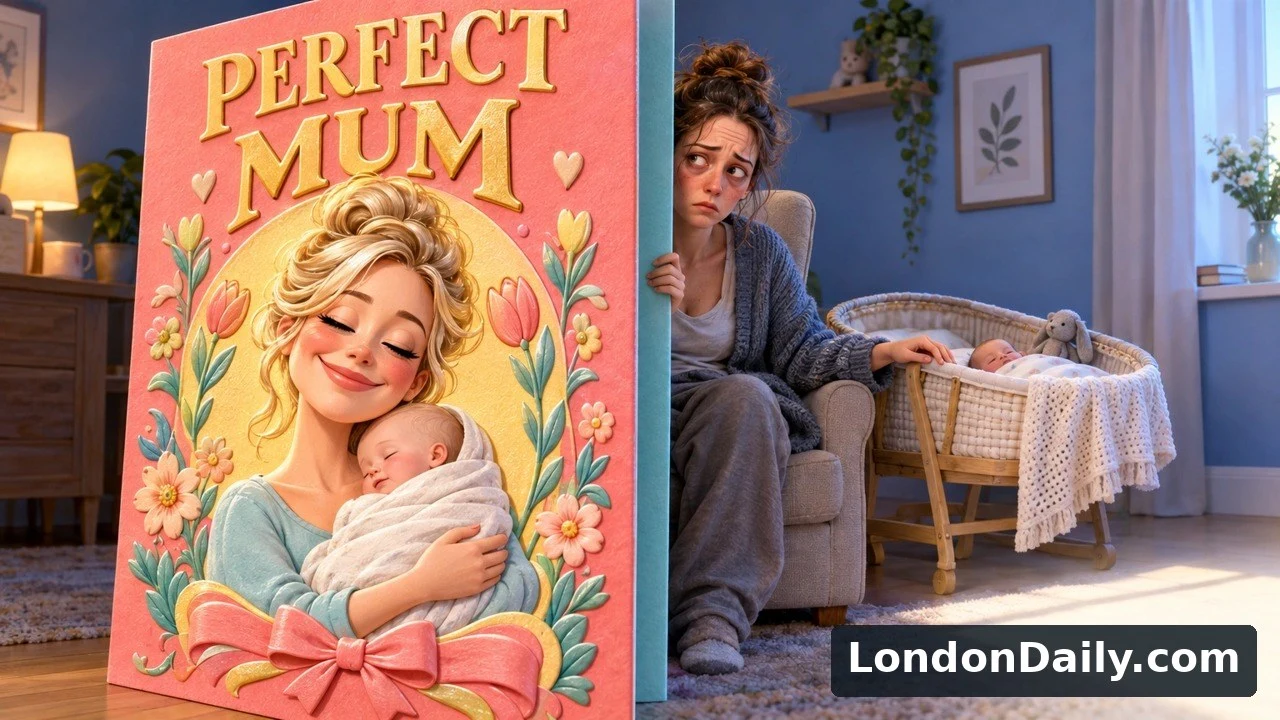
Four in five mothers surveyed by parenting platform ChatMum.co.uk reported experiencing ‘baby shock’ after becoming parents, while half concealed their feelings for fear of being judged. Specialists say the distress can involve exhaustion, detachment and heightened vigilance, with some responses resembling those associated with combat trauma.
The survey of more than 2,000 UK parents found that nearly a quarter of mothers described their experience as ‘extreme’. Twelve per cent reported intrusive thoughts, including fears they might deliberately harm their baby, and seven per cent said they regretted having a child.
Fathers were also affected: seven in ten reported shock, with one in six describing extreme symptoms. Across parents surveyed, 96 per cent said parenthood had significantly changed who they were; 58 per cent described themselves as a very or completely different person.
Health visitor and specialist community public health nurse Tracey Stone describes baby shock as an emotional response involving numbness, tearfulness and disbelief. She says it can follow any birth, not only one experienced as traumatic, and argues that parents need support even without a diagnosable condition.
The battlefield comparison concerns the body’s response to perceived threat, rather than an equivalence between childbirth and combat. The survey figures do not establish that four in five mothers have post-traumatic stress disorder.
Judith Rees, chief operating officer of trauma charity For Baby’s Sake, says fear, pain and helplessness during birth can leave mothers on high alert afterwards, unable to relax or feel connected to their baby. Earlier childhood trauma and domestic abuse can add to that burden, she says.
Women’s health GP and former obstetrician Dr Nikki Ramskill describes patients experiencing flashbacks or being triggered by hospital sounds and smells. Warning signs can include persistent withdrawal, tearfulness, loss of enjoyment or an intense determination to appear the perfect mother.
The difficulty is not simply recognising distress but making it possible to disclose it. Rees says some mothers fear social care involvement. A long-awaited, planned pregnancy can bring additional pressure to feel grateful and cope perfectly. She also links isolation to early discharge and reduced contact with midwives and health visitors.
ChatMum founder Siobhan Freegard, who experienced postnatal depression, cites estimated annual UK economic costs of untreated perinatal mental health problems of £6.6 billion to £8.1 billion.
Free services are available through Best Start Family Hubs. Ramskill recommends speaking to a GP and asking for referral to a postnatal mental health team. Anyone struggling to cope can also contact Samaritans confidentially on 116 123 in the UK and Republic of Ireland.








Join the conversation