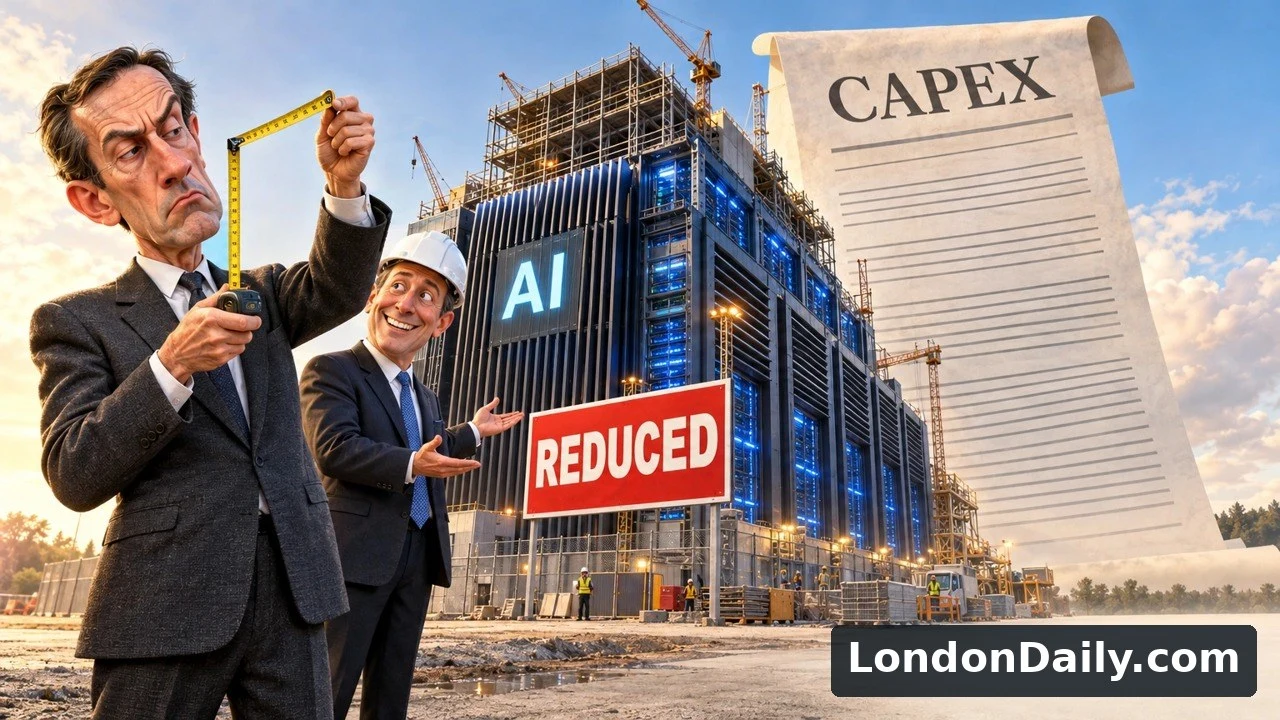
The US stock market has lost around $6 trillion in just 45 days. Nvidia is down around 40%, hedge funds are dumping technology stocks, and everyone is asking the same question: has the AI bubble finally burst?
According to the latest analysis by the Kuwaiti Letter, there are five major reasons behind this sell-off.
First, Amazon, Microsoft, Google and Meta collectively spent a record $201.9 billion on capital expenditure in just one quarter. Investors are now questioning whether these massive AI investments will actually generate sufficient returns.
Second, Democrats taking control of Congress has raised concerns about stricter AI regulation and potential new taxes.
Third, the ongoing Iran war, persistent inflation and high interest rates are making it even more expensive to build AI infrastructure.
Fourth, Nvidia losing Jensen Huang and AMD facing unproven allegations of smuggling chips into China have shaken confidence in the semiconductor industry.
Finally, Anthropic’s historic initial public offering has created additional liquidity pressure across an already struggling market.
But here is where things get interesting. Despite all this fear, S&P 500 companies have reported nearly 32% year-on-year earnings growth. Nvidia is reportedly trading at just nine times its expected future earnings, while market volatility has more than doubled since October.
The Kobaisi Letter believes a significant amount of bad news is already priced into the market. It is not calling the bottom. In fact, the market could fall further.
But there is something every investor needs to understand: AI can be the biggest technological revolution of our lifetime and still have an investment bubble.
We saw exactly that with the internet in 2000. The internet survived. Many internet companies did not.
So the real opportunity is not blindly buying the dip. It is identifying which companies can turn these billions in AI investment into sustainable profits.
The question is: are we witnessing the beginning of a bigger crash, or one of the biggest buying opportunities heading into 2027?








Join the conversation