

Exploring the legacy of former Hong Kong chief justice Geoffrey Ma
Much has changed in Hong Kong since the day Geoffrey Ma Tao-li took office in 2010 as the city’s chief justice.
The past two years, especially, have seen massive anti-government protests, increasingly polarised politics and the arrival of a new national security law
imposed by Beijing which critics feared would threaten the independence of the judiciary like nothing before.
But Ma, who stepped down this week after a decade in office, departed saying the judiciary’s commitment to upholding the rule of law remained unchanged.
He had spoken about that in his first major speech as chief justice in 2011, when he said the rule of law was not only about giving Hong Kong a competitive edge. Rather, he added: “Its particular importance … lies in the assurance to all who live here … that one’s rights are fully recognised and protected.”
Ma, who turns 65 on Monday, returned to the theme in his last official speech on Wednesday, saying the rule of law was not just about the city being conducive to business and investment, nor was it even about law and order in and of itself.
“It also includes the recognition and enforcement of those rights we call human rights and fundamental freedom … always of course recognising as well the importance of the respect for the rights and entitlements of others in the community,” he said.
Former law pupils and colleagues were not surprised that he chose to emphasise that bottom line before stepping down, to be succeeded by permanent Court of Final Appeal Judge Andrew Cheung Kui-nung.
They described him as a respected jurist who was fair-minded and down-to-earth, wrote his judgments for laymen to understand and relied on common sense to navigate a turbulent period during which the judiciary sometimes appeared caught between Beijing’s tightening grip on Hong Kong and the criticism of the city’s opposition supporters.
“He respects other people’s thinking, including those on the mainland, but he always proceeds from the perspective of Hong Kong,” said Senior Counsel Jat Sew-tong, a former pupil and barrister at Temple Chamber, where Ma once worked. “I think he stands really firm.”
Ma has said his exchanges with judges helped both sides understand their different legal systems, but shrugged off the suggestion that Beijing would use such meetings to put pressure on Hong Kong’s judiciary.
Jat said Ma had a charming ability to make people willing to discuss matters with him while still asserting his principles, he added, and this was an advantage amid an intense political climate.
A senior counsel who wished to remain anonymous said: “These are trying times for the rule of law. He will be sadly missed in office.”
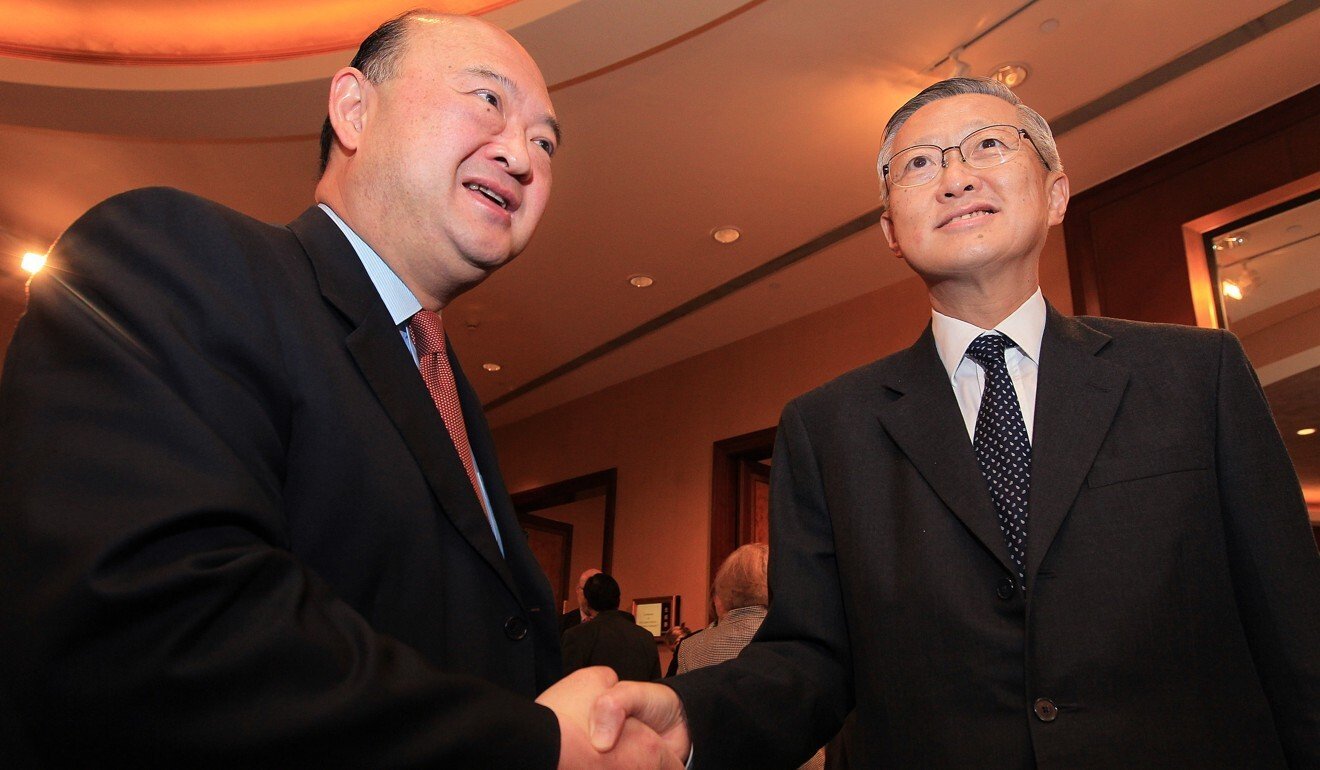
Staying consistent through challenges
Born in Hong Kong, Ma was educated in Britain. He obtained a law degree from the University of Birmingham and was called to the bar in London before returning to Hong Kong in the 1980s.
As a barrister, he practised civil and public law, and was made a Queen’s Counsel in 1993. He joined the Court of First Instance as a judge in 2001, became chief judge of the High Court two years later, and succeeded Andrew Li Kwok-nang as chief justice in 2010.
Human rights lawyers specialising in the welfare of sexual minorities recall progressive decisions made by the Court of Final Appeal led by Ma. In 2013, the top court allowed a transgender woman, previously barred from marrying her boyfriend because her gender on her birth certificate remained male, to marry. And although Hong Kong does not allow gay couples to marry, the court recognised such overseas unions for tax and immigration purposes.
Criminal specialists look to the way the court defined the law governing the acts of officials when Ma and his top judges heard the appeals of former chief executive Donald Tsang Yam-kuen and former chief secretary Rafael Hui Si-yan. Tsang was acquitted on a charge of misconduct in public office, but Hui’s conviction was upheld.
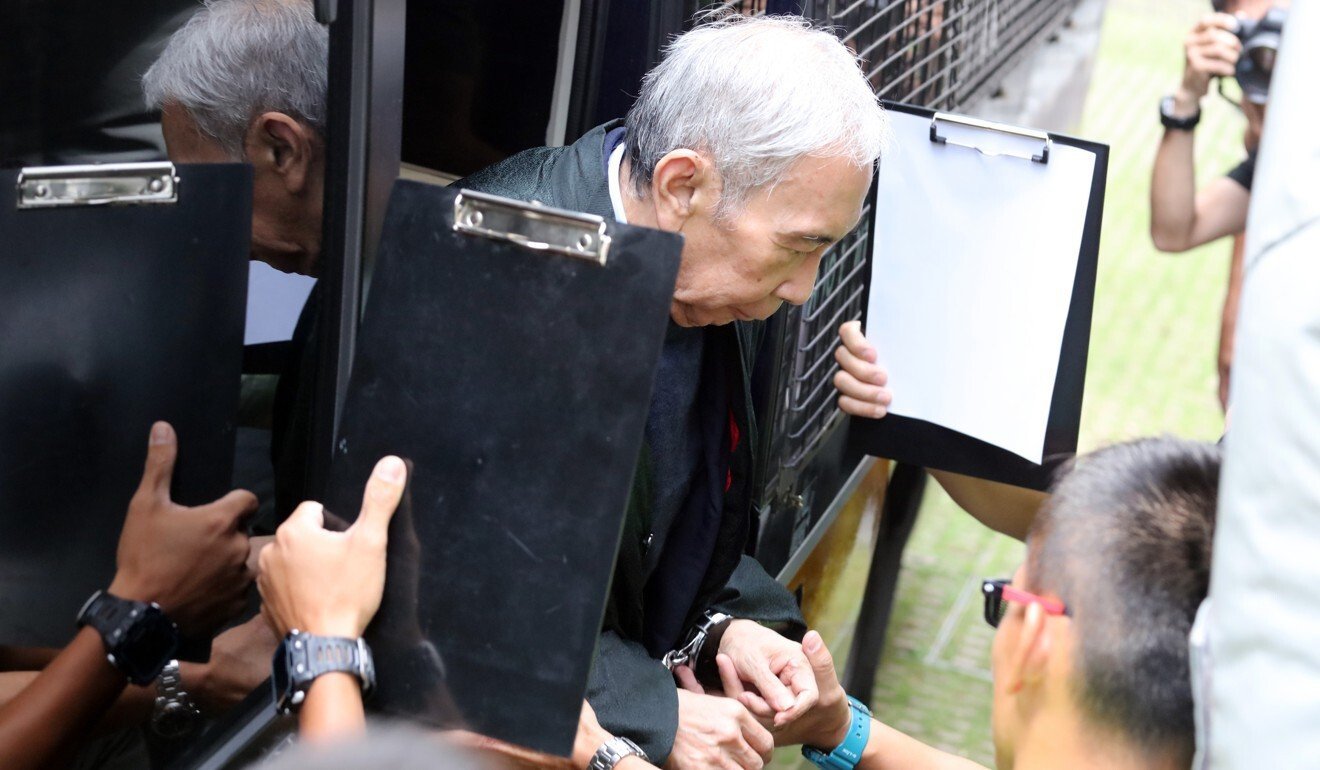
But it was the politically sensitive cases, often involving constitutional issues and the rights of activists, that caught the attention of the public.
Twice during his tenure, China’s top legislative body, the National People’s Congress Standing Committee, issued interpretations of Hong Kong’s Basic Law, the city’s mini-constitution. Such moves are often regarded as a blow to the autonomy of the city’s courts.
In 2014, Beijing caused concern when it issued a white paper on Hong Kong in which it described judges as administrators with a basic political requirement to love the country.
The national security law imposed by Beijing last June allowed the chief executive to designate judges to handle cases related to it, and gave the police power to conduct surveillance of suspects and confiscate their passports without needing the approval of the court, among other things.
Ma’s consistent response over the years has been to cite the Basic Law and affirm judicial independence, stating his views subtly yet clearly in speeches at the opening of each legal year or at universities.
That has inevitably drawn criticism from both pro-establishment and opposition camps, especially in the wake of 2019’s unprecedented anti-government protests.
Pro-establishment figures complained that magistrates were too lenient on protesters, while the opposition was unhappy when Ma’s top court upheld a government ban on masks at demonstrations to stem violent protests.
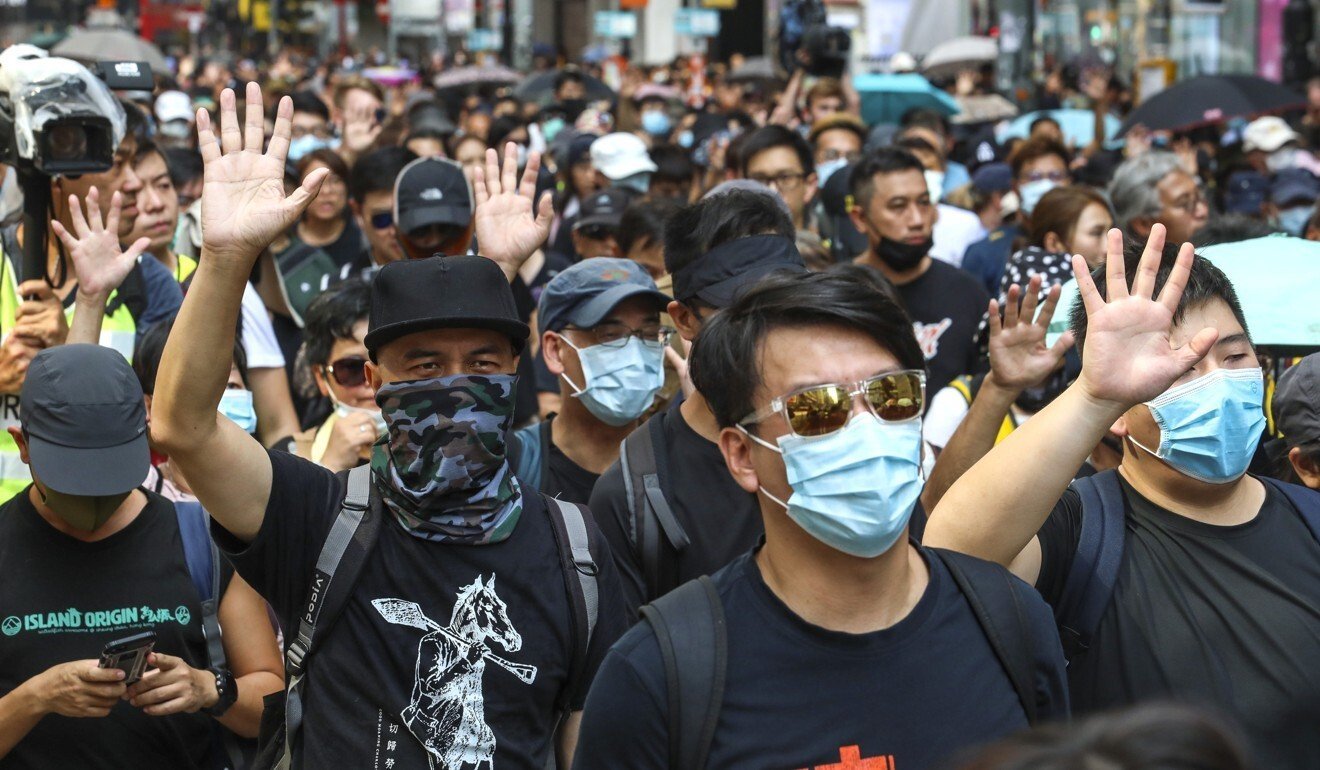
Last year, Ma released three public statements to dispel misconceptions on biased rulings and the arrangement concerning judges under the national security law.
He also had complaints against judges published online. “Quite clearly, he has moved with the times, and tried very hard to maintain not only the standards but also the standing of the judiciary,” said former director of public prosecutions Grenville Cross.
Senior Counsel Shieh Wing-tai, another former pupil who now heads Temple Chamber, said that by his actions and in his last address, Ma had emphasised that the rule of law occupied the middle ground, not “extremist views”.
“He has stressed that the rule of law means more than just law and order, and there needs to be adequate protection of human rights,” he said. “On the other hand, he was careful not to give the impression that rule of law is only about vindicating the rights of members of only one part of society, and he was keen to emphasise … that rights have to be exercised in a manner which pays regard to, and respects, the rights of others.”
Often overlooked was Ma’s dedication to promoting Hong Kong’s rule of law overseas, from Australia to Britain. Shieh said Ma was able to invite foreign judges to sit in the apex court, a system unique to Hong Kong, as a way to burnish its international reputation.
University of Hong Kong law scholar Simon Young Ngai-man, who has researched the Court of Final Appeal, said Ma ensured that almost all Court of Appeal hearings under his watch included a foreign judge, except when the Covid-19 pandemic prevented international travel.
“He has impressively attracted the most distinguished judges in the common law world to join our court,” Young said.
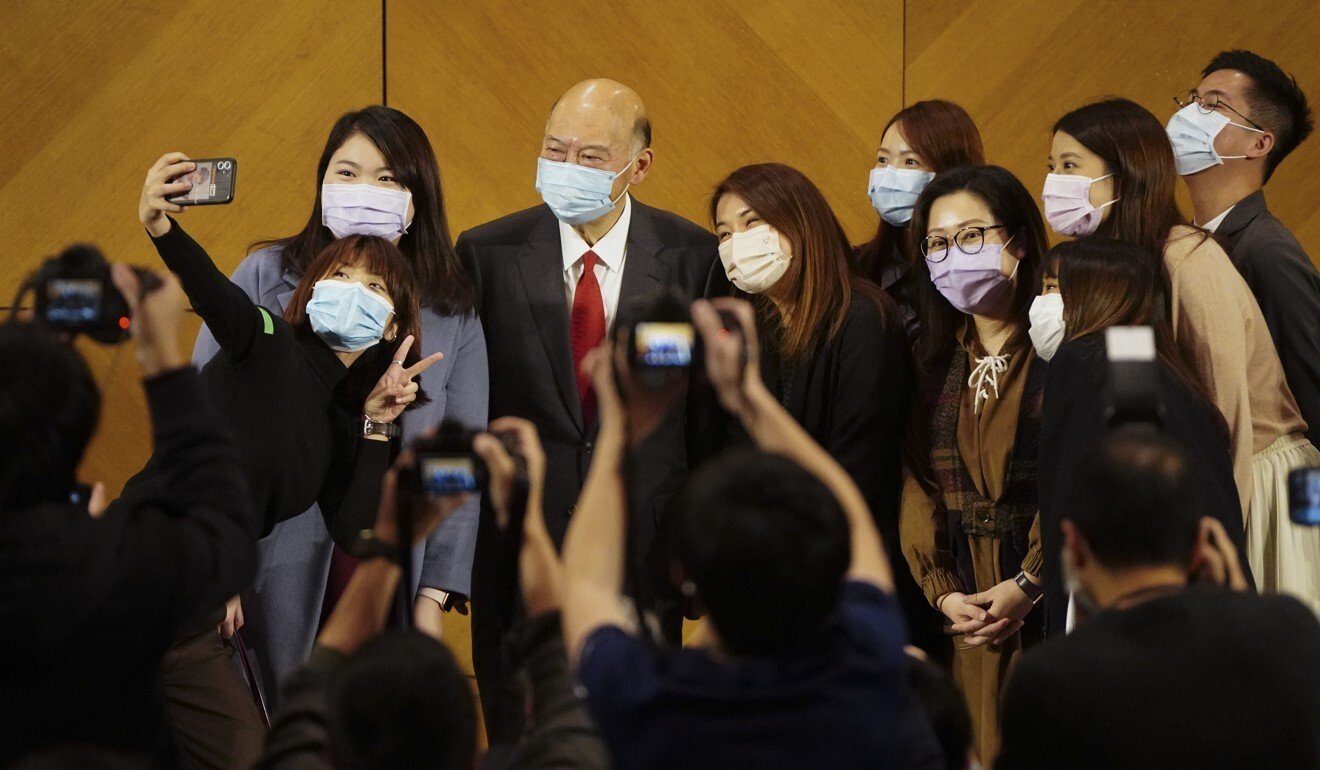
Time for Pilates and Manchester United
Ma is married to Maria Yuen Ka-ning, a judge in the Court of Appeal now in the running to fill his successor’s place in the apex court. To avoid a conflict of interest, he avoided dealing with cases she heard, and refrained from administrative matters concerning her.
Earlier this week, Ma said he has been too busy to think about life after stepping down, although friends refer to his slimmer physique and mention his interest in Pilates.
With his crisp English accent and passion for cricket and the soccer team Manchester United, he might be mistaken for someone who sips tea and nibbles on scones.
But those who know him described him as a kind man with a witty turn, who enjoyed nothing better than catching up with old friends over yum cha.
Shieh reminisced that in the old days, he and Ma would discuss actors and actresses from local TV series and films, where Ma polished his Cantonese.
As Ma said in his farewell speech: “I was born in Hong Kong and it will remain my home.”