

Energy bills: Middle-earners will need help with rising prices too, says chancellor
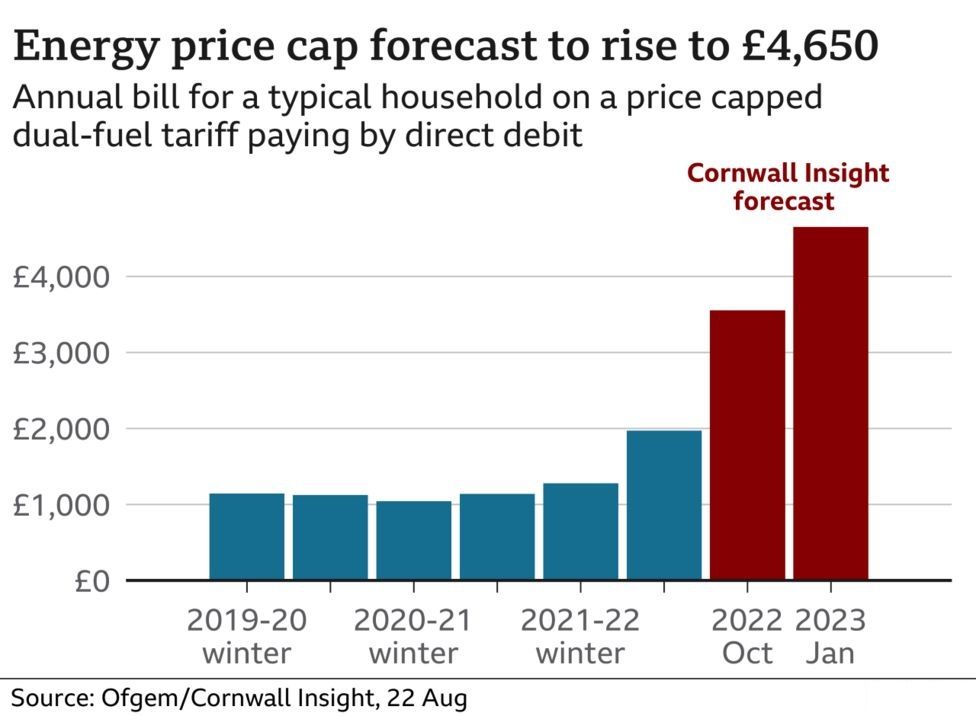
The energy regulator hiked the price cap on household bills by 80% on Friday, meaning the average bill will rise to £3,549 a year from October.
Speaking to the Daily Telegraph, Mr Zahawi said even those earning £45,000 a year may need support.
He said the Treasury was exploring "all the options" to help households.
He added that the country was in a "national economic emergency [that] could go on for 18 months, two years".
Both Liz Truss and Rishi Sunak, one of whom will be announced as the next prime minister on 5 September, have pledged further support, though neither has given details.
Environment Secretary George Eustice defended the wait for policy announcements from either candidate, saying it was right that whoever got the top job would "want to look at all of the options, properly costed" when they take office.
"Both candidates have said they will do more - you don't have long to wait," Mr Eustice told BBC Radio Four's Today programme.
"They've both made clear that this will be absolutely at the top of their in tray," he added.
The government has already said that all households will get a £400 rebate on energy bills, with low income and vulnerable households receiving an additional £650.
Francisco's story: Money worries with baby on the way
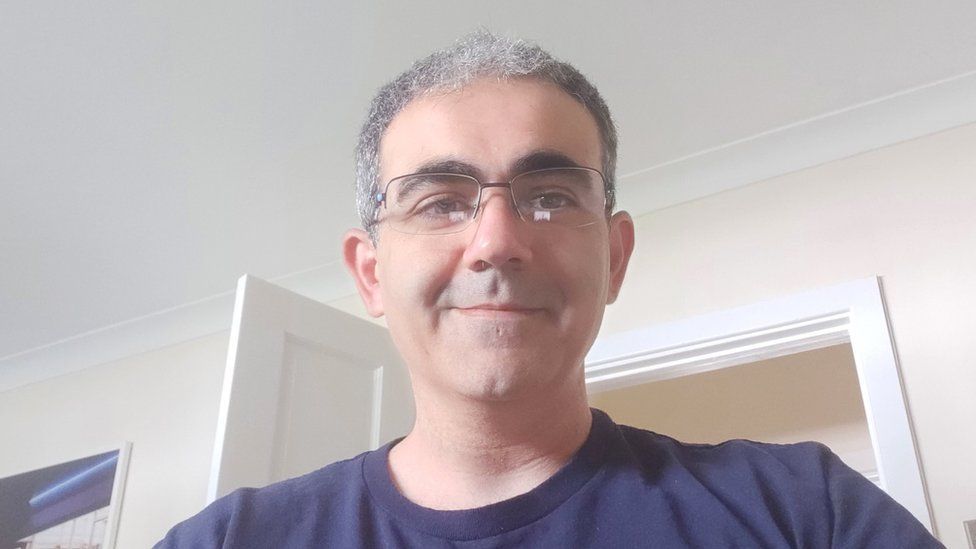 Mr Salvatierra is unsure he'll be able to have another child because of the cost of living crisis
Francisco Salvatierra, 37, in Cardiff has been a teacher for the last seven years and earns £38,000 teaching Spanish in Caerphilly. He and his wife's joint household income is about £56,000.
Even with two incomes, we're facing financial difficulties. Our rent has increased by £200, and our energy bills are likely to hit £350 a month. What does it say in a country where people are working but they can't afford to pay for their energy?
I have a decent job, but it doesn't stop me from experiencing financial struggles. Getting a mortgage is science fiction. It's almost £1,000 in rent for our flat alone, so how are we going to save for a 10% deposit. I have had to accept that I'll never be able to get onto the housing ladder.
I'd love to have a second baby, but it was hard enough to have a first one [which is due on Boxing Day]. We kept postponing the decision because of financial worries, but having a second one - I now don't think that's going to happen.
The idea of getting a £400 payment doesn't solve anything. We need more than charity, we need social and financial justice, like taxing energy companies who have billions in profits.
The rise in the energy price cap - which is the maximum amount that suppliers can charge households per unit of energy - means millions of households will see their annual bills rise from about £1,971 currently.
Typical prepayment meter customers will also see their bills rise to £3,608.
Charities and experts have warned that the rise will have a devastating impact on households and that lives will be at risk without government intervention.
In his interview with the Telegraph, Mr Zahawi said he was also concerned about those who were not on benefits.
"If you are a senior nurse or a senior teacher on £45,000 a year, you're having your energy bills go up by 80% and will probably rise even higher in the new year - it's really hard.
"If you're a pensioner, it's really hard. So Universal Credit is a really effective way of targeting, but I'm looking at what else we can do to make sure we help those who really need the help."
How much are energy prices rising by?
* The price cap, set by the regulator, Ofgem, is rising by 80% in October
* The price of electricity will rise on average from 28p per kilowatt hour (kWh) to 52p and gas will go up from 7p to 15p per kWh
* A typical annual energy bill paid by direct debit is currently £1,971. In October, that will rise to £3,549
* Prepayment meter customers will pay an extra £59 a year from October, taking the new typical bill on a prepayment meter to £3,608
Mr Zahawi said the options being drawn up for the next prime minister to consider included an increase in benefits and a loan scheme for energy suppliers to stop them having to pass costs on to consumers.
He said a price cap freeze had not been ruled out, though he expressed concern that the measure would also benefit households that could afford to pay higher energy costs.
Mr Zahawi added that a number of measures to help small businesses, including temporary reductions to VAT, business rates, or green levies, were being considered, saying a failure to help business would leave a "longer-term scarring effect on the economy".
Labour and the Liberal Democrats have criticised the government for failing to respond to the growing crisis.
Labour says its own plan to freeze energy prices this winter - paid for in part by a windfall tax on energy companies - would save someone on the minimum wage more than £40 a week.
Asked whether it was right that even the richest would benefit, Labour's Darren Jones - chair of the department for business, energy and industrial strategy committee of MPs - said "the vast majority of people" would be affected by the rises.
He added that the government was not set up well enough to get money to people in a targeted way.
Lib Dem leader Ed Davey said the energy price cap rise was "nothing short of a catastrophe for millions of families and pensioners".
Ian Blackford, the SNP's Westminster leader, said people were already saying they would be unable to heat their homes or put food on their tables.
"These are costs people simply can't afford," he told BBC Breakfast. "The government has a responsibility to step in."
Mr Blackford warned businesses could "go to the wall" over winter, and added: "This is an emergency as big as the Covid crisis. In such a scenario, the government has a responsibility to act."
Speaking to broadcasters on Friday, Mr Zahawi also split with cabinet colleagues who have so far resisted suggestions that households should be encouraged to reduce their energy usage.
A spokesperson for Prime Minister Boris Johnson said this week that choices about energy consumption remained "decisions for individuals".
Asked about the issue, Mr Zahawi said: "The reality is that we should all look at our energy consumption."
He told the Telegraph the country would have to be resilient as it continued to help Ukraine resist the Russian invasion.
"Putin has worked out that he can use energy as a tool to hit back at us," he said.
"And we're going to need to send a message back to Putin that this is not going to soften our resolve."
Worried about energy bills? The BBC's Colletta Smith tells you - in a minute - about four discounts and payments that could help