Britain Weighs Domestic Gas Output as Energy Security Debate Intensifies
Rising import dependence and market volatility revive questions over the role of UK gas production during the energy transition
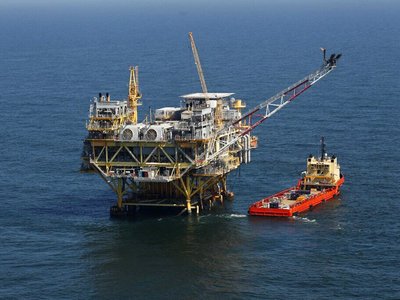
The question of whether the United Kingdom needs more domestic gas production has moved to the centre of the national energy debate, driven by declining North Sea output, rising imports and continued exposure to global price shocks.
Natural gas remains a critical component of Britain’s energy system, heating millions of homes, supporting industrial activity and providing flexible power generation alongside renewables.
Domestic gas production has fallen steadily over the past decade, leaving the UK increasingly reliant on imports from Norway and liquefied natural gas shipped from global markets.
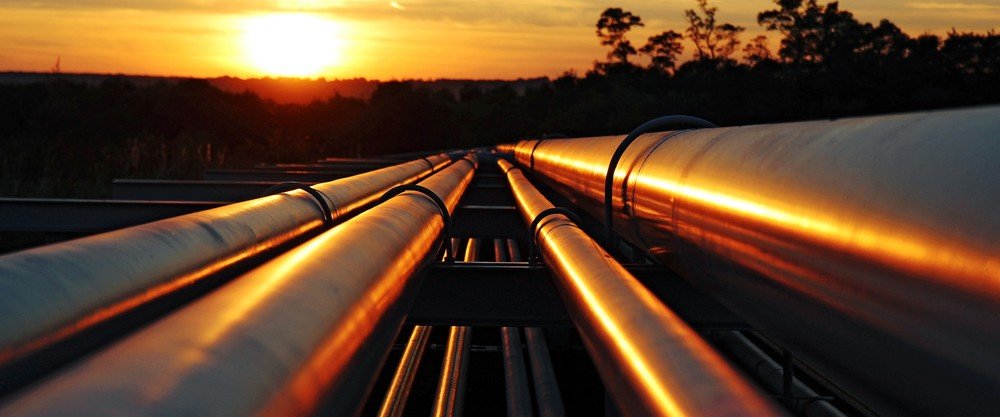
While supply routes remain diversified, higher import dependence has amplified sensitivity to international disruptions and price volatility, particularly during periods of geopolitical tension or constrained global supply.
Industry figures note that gas produced in the UK typically carries a lower carbon footprint than imported alternatives and contributes directly to tax revenues and employment.
Supporters of maintaining or modestly increasing domestic production argue that it strengthens energy security during the transition to net zero by reducing reliance on external suppliers and providing stability as renewable capacity continues to expand.
They contend that domestic gas can act as a pragmatic bridge fuel, supporting system reliability while investments in offshore wind, nuclear power, storage and hydrogen scale up.
Critics counter that expanding gas production risks locking in fossil fuel dependence and diverting capital from clean energy deployment.
They also stress that because gas prices are largely set on international markets, additional UK supply alone cannot insulate consumers from global price movements.
Analysts increasingly frame the issue as part of a broader strategy that combines declining but managed domestic production with demand reduction, improved efficiency, expanded storage and accelerated low-carbon investment.
As policymakers balance energy security, affordability and climate commitments, the emerging consensus is not centred on a return to large-scale expansion, but on managing domestic gas resources responsibly during a complex transition.
The debate now focuses less on whether gas has a role, and more on how long that role should last and under what conditions it best serves Britain’s long-term energy resilience.
Natural gas remains a critical component of Britain’s energy system, heating millions of homes, supporting industrial activity and providing flexible power generation alongside renewables.
Domestic gas production has fallen steadily over the past decade, leaving the UK increasingly reliant on imports from Norway and liquefied natural gas shipped from global markets.
While supply routes remain diversified, higher import dependence has amplified sensitivity to international disruptions and price volatility, particularly during periods of geopolitical tension or constrained global supply.
Industry figures note that gas produced in the UK typically carries a lower carbon footprint than imported alternatives and contributes directly to tax revenues and employment.
Supporters of maintaining or modestly increasing domestic production argue that it strengthens energy security during the transition to net zero by reducing reliance on external suppliers and providing stability as renewable capacity continues to expand.
They contend that domestic gas can act as a pragmatic bridge fuel, supporting system reliability while investments in offshore wind, nuclear power, storage and hydrogen scale up.
Critics counter that expanding gas production risks locking in fossil fuel dependence and diverting capital from clean energy deployment.
They also stress that because gas prices are largely set on international markets, additional UK supply alone cannot insulate consumers from global price movements.
Analysts increasingly frame the issue as part of a broader strategy that combines declining but managed domestic production with demand reduction, improved efficiency, expanded storage and accelerated low-carbon investment.
As policymakers balance energy security, affordability and climate commitments, the emerging consensus is not centred on a return to large-scale expansion, but on managing domestic gas resources responsibly during a complex transition.
The debate now focuses less on whether gas has a role, and more on how long that role should last and under what conditions it best serves Britain’s long-term energy resilience.