UK Energy Firm Harbour Energy Agrees $3.2bn Acquisition of US Oil Producer LLOG Exploration
London-listed independent expands into Gulf of Mexico deepwater operations in strategic deal combining cash and shares.
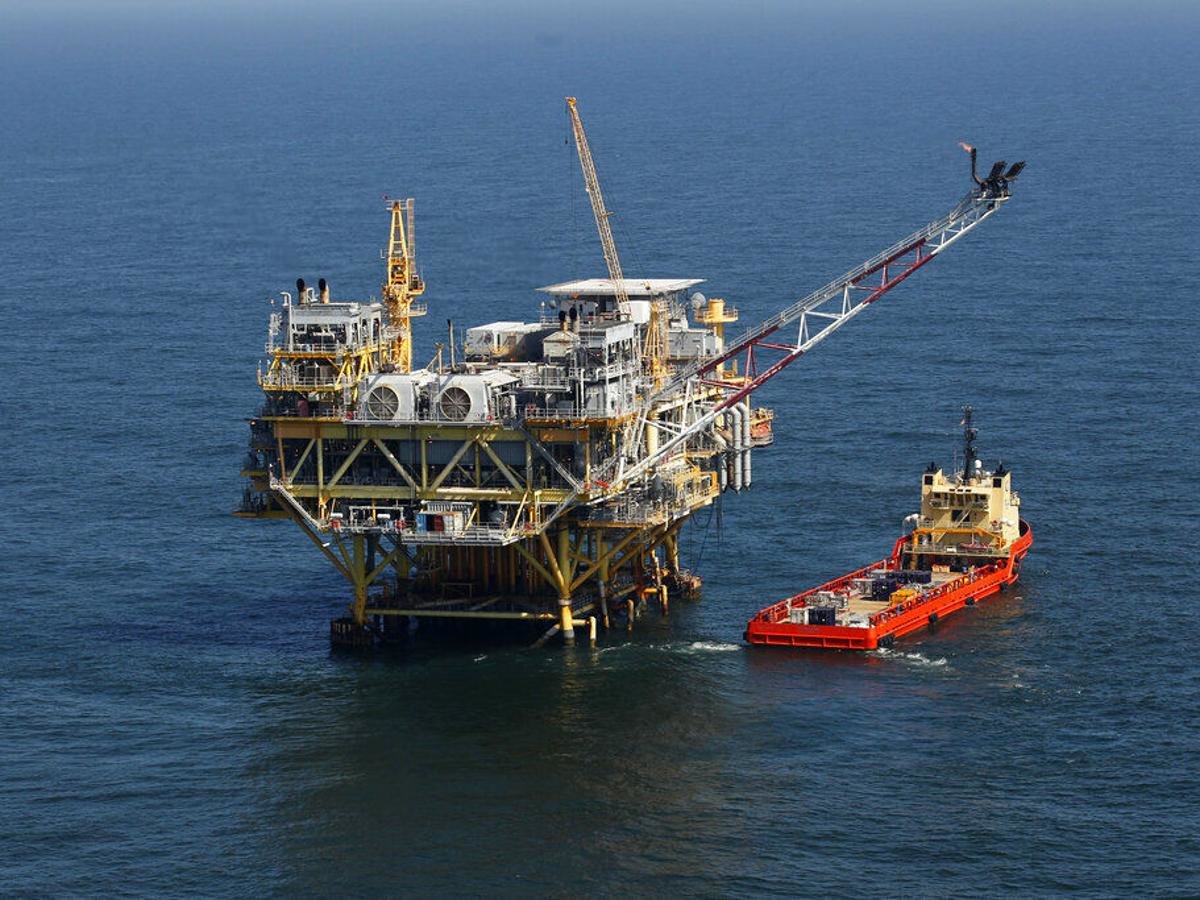
Harbour Energy, one of the United Kingdom’s largest independent oil and gas companies, has agreed to acquire LLOG Exploration, a privately held United States deepwater oil producer, in a deal valued at approximately $3.2 billion.
The transaction, which includes a cash component of $2.7 billion and $500 million in Harbour shares, represents a major step in Harbour’s strategy to diversify beyond its traditional North Sea base and deepen its presence in high-growth markets such as the Gulf of Mexico.
LLOG’s assets currently produce around 34,000 barrels of oil per day, and Harbour expects output from these operations to grow significantly, potentially doubling by the end of the decade as development plans progress.
The acquisition is intended to help Harbour sustain an overall production level of around 500,000 barrels of oil equivalent per day through the 2020s, bolstering the company’s portfolio with long-lived deepwater reserves.
Harbour’s chief executive, Linda Cook, said the deal aligns with the company’s long-standing ambition to establish a substantial foothold in the Gulf of Mexico, adding that it respects the legacy of LLOG’s founding family and the company’s identity by retaining its name within Harbour’s organisational structure.
The transaction is expected to strengthen Harbour’s cash flow profile and provide enhanced operational scale at a time when energy companies are navigating market volatility and shifting investment dynamics.
The acquisition underscores broader trends in global oil and gas markets, with European producers increasingly seeking growth opportunities in North American resources as part of efforts to balance legacy portfolios with new production hubs.
Harbour’s move into the Gulf follows a pattern of strategic deals aimed at sustaining energy output and investor returns amid evolving demand patterns for hydrocarbons, while also maintaining a focus on operational efficiency and long-term competitiveness.
The transaction, which includes a cash component of $2.7 billion and $500 million in Harbour shares, represents a major step in Harbour’s strategy to diversify beyond its traditional North Sea base and deepen its presence in high-growth markets such as the Gulf of Mexico.
LLOG’s assets currently produce around 34,000 barrels of oil per day, and Harbour expects output from these operations to grow significantly, potentially doubling by the end of the decade as development plans progress.
The acquisition is intended to help Harbour sustain an overall production level of around 500,000 barrels of oil equivalent per day through the 2020s, bolstering the company’s portfolio with long-lived deepwater reserves.
Harbour’s chief executive, Linda Cook, said the deal aligns with the company’s long-standing ambition to establish a substantial foothold in the Gulf of Mexico, adding that it respects the legacy of LLOG’s founding family and the company’s identity by retaining its name within Harbour’s organisational structure.
The transaction is expected to strengthen Harbour’s cash flow profile and provide enhanced operational scale at a time when energy companies are navigating market volatility and shifting investment dynamics.
The acquisition underscores broader trends in global oil and gas markets, with European producers increasingly seeking growth opportunities in North American resources as part of efforts to balance legacy portfolios with new production hubs.
Harbour’s move into the Gulf follows a pattern of strategic deals aimed at sustaining energy output and investor returns amid evolving demand patterns for hydrocarbons, while also maintaining a focus on operational efficiency and long-term competitiveness.