UK Freedom of Information Framework Tested and Clarified in 2025 After High-Profile AI Records Disclosure
In 2025, the United Kingdom’s longstanding Freedom of Information Act framework has been scrutinised and tested through legal developments and landmark disclosures, but it has not been fundamentally overhauled as a standalone statutory reform. The two-decade-old Freedom of Information Act remains a cornerstone of transparency in public life, enabling citizens and journalists to request official documents, emails and other recorded information from public authorities. In January, the Information Commissioner’s Office highlighted the act’s twentieth anniversary and reiterated its central role in holding public bodies accountable, even as authorities continue to enforce compliance where requests are mishandled.
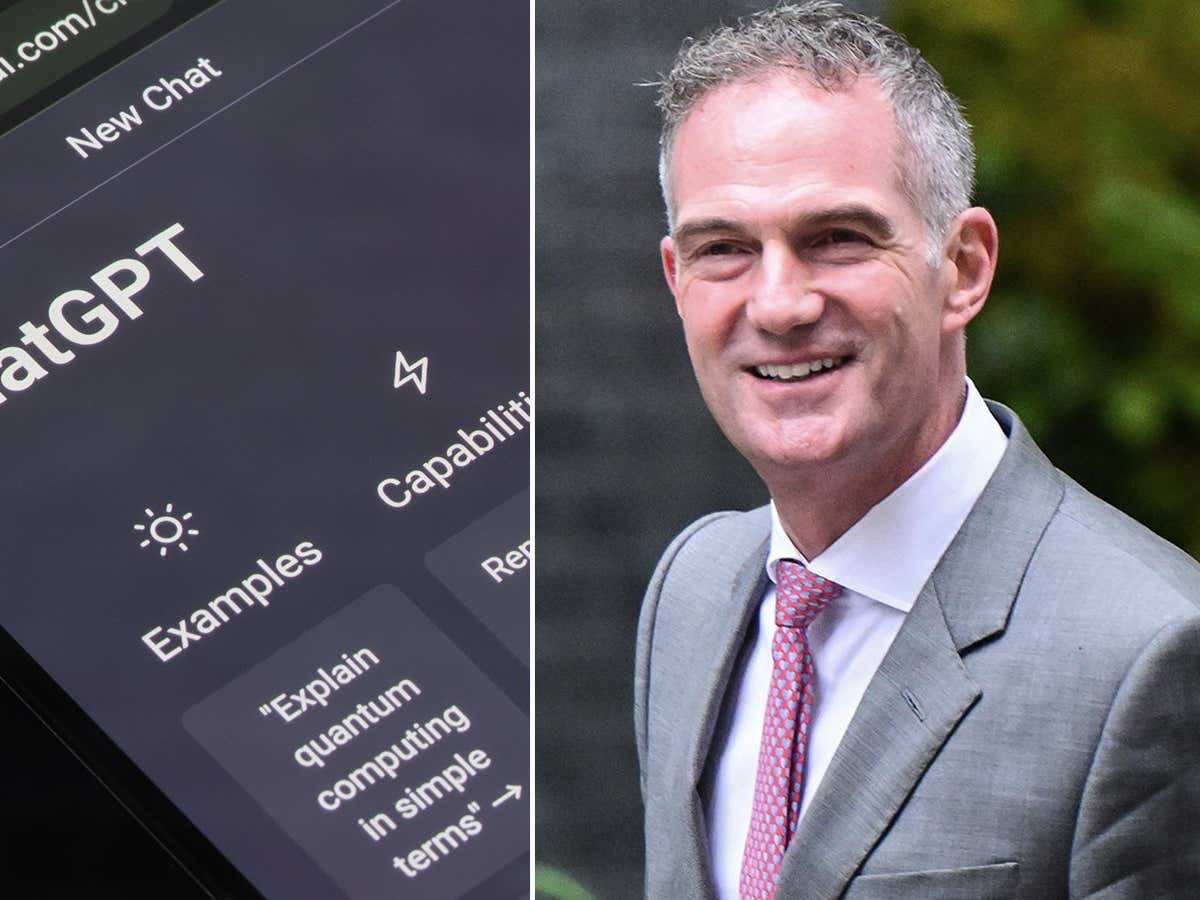
The year also saw a high-profile exercise of these rights when the publication New Scientist successfully used the act to obtain records of a senior British minister’s interactions with the AI tool ChatGPT as part of an information request. That disclosure prompted fresh debate about how evolving technologies and official use of artificial intelligence intersect with access rights — for example, whether AI prompts and outputs should be treated as government records eligible for disclosure under freedom of information mechanisms. Historically, the act covers recorded information such as documents and messages held by public authorities, and courts and regulators are now grappling with how this applies to digital and AI-generated material.
Separately, the UK Supreme Court in mid-2025 issued a significant ruling clarifying how qualified exemptions under the Freedom of Information Act should be balanced when multiple exemptions apply. In Department for Business and Trade v The Information Commissioner, the court held that public interest factors against disclosure can be aggregated across exemptions when assessing whether information should be released, a decision that refines how public authorities should approach complex FOI decisions. The judgment emphasised that transparency remains a central legislative purpose, even as national interests and confidentiality concerns are weighed.
Alongside these developments, broader legislative reforms affecting data and information rights have progressed through Parliament. The Data (Use and Access) Act 2025, which received Royal Assent in June and is being implemented in stages, amends aspects of the UK’s data protection regime and clarifies lawful processing grounds, but it does not replace or repeal the Freedom of Information Act itself. Information rights advocates argue that as digital records and AI tools become more pervasive in government operations, ongoing guidance and case law will be critical in ensuring that freedom of information principles adapt while maintaining robust transparency and accountability in the public sphere.