Uber and Lyft Plan UK Robotaxi Trials Through Partnership With China’s Baidu
Ride-hailing groups prepare autonomous vehicle pilots in Britain as regulators advance rules for commercial self-driving services.
Uber and Lyft are preparing to trial autonomous ride-hailing services in the United Kingdom through a partnership with China’s technology group Baidu, marking a significant step toward the commercial deployment of robotaxis on British roads.
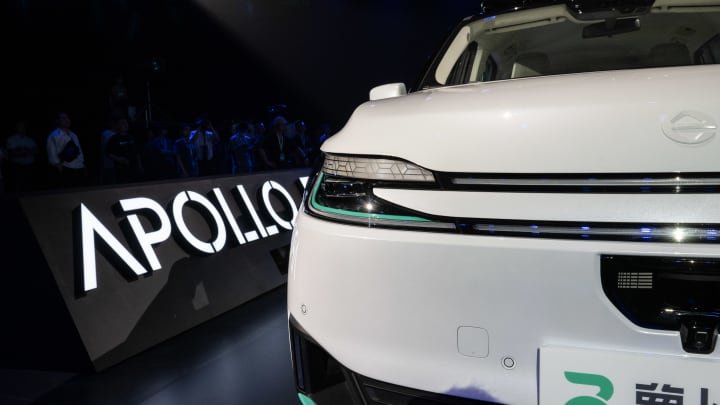
The initiative would see Baidu’s self-driving platform, developed under its Apollo Go programme, integrated with the ride-hailing apps to operate pilot services once regulatory approvals and safety frameworks are in place.
The planned trials reflect the UK government’s push to position Britain as a leading market for autonomous vehicles, with legislation and regulatory guidance being finalised to allow commercial self-driving services later this decade.
Under the proposed model, Baidu would provide the autonomous driving technology while Uber and Lyft would handle customer access, fleet management and operations, leveraging their existing platforms and user bases.
Baidu has already deployed robotaxi services in several Chinese cities, accumulating millions of autonomous kilometres and operating without safety drivers in designated areas.
For Uber and Lyft, the partnership offers a pathway to reduce long-term operating costs and expand services as competition intensifies and labour expenses rise.
Company executives have framed the move as a cautious, safety-led approach that will begin with limited pilots before any wider rollout.
UK officials have said autonomous vehicle trials will be subject to strict oversight, including requirements for safety assurance, data transparency and clear accountability.
Industry analysts view the collaboration as a notable example of cross-border cooperation in advanced mobility technology, with Britain emerging as a testbed for autonomous transport as the global race to commercialise self-driving services accelerates.
The initiative would see Baidu’s self-driving platform, developed under its Apollo Go programme, integrated with the ride-hailing apps to operate pilot services once regulatory approvals and safety frameworks are in place.
The planned trials reflect the UK government’s push to position Britain as a leading market for autonomous vehicles, with legislation and regulatory guidance being finalised to allow commercial self-driving services later this decade.
Under the proposed model, Baidu would provide the autonomous driving technology while Uber and Lyft would handle customer access, fleet management and operations, leveraging their existing platforms and user bases.
Baidu has already deployed robotaxi services in several Chinese cities, accumulating millions of autonomous kilometres and operating without safety drivers in designated areas.
For Uber and Lyft, the partnership offers a pathway to reduce long-term operating costs and expand services as competition intensifies and labour expenses rise.
Company executives have framed the move as a cautious, safety-led approach that will begin with limited pilots before any wider rollout.
UK officials have said autonomous vehicle trials will be subject to strict oversight, including requirements for safety assurance, data transparency and clear accountability.
Industry analysts view the collaboration as a notable example of cross-border cooperation in advanced mobility technology, with Britain emerging as a testbed for autonomous transport as the global race to commercialise self-driving services accelerates.