

All You Need to Know About Eyebrow Microblading
Microblading is one of the hottest trends in eyebrow beauty. It’s a semi-permanent, minimally invasive procedure that gives the illusion of fuller, beautiful brows. Small strokes are made with micro blades and filled with pigment to create “hair,” which looks very natural. The procedure is perfect if you’re sick of filling in your brows and want part of your morning back. Plus, the technician will map your face to make sure the shape is symmetrical, so you never have to worry again about your brows looking more like cousins than sisters.
What is Eyebrow Microblading?
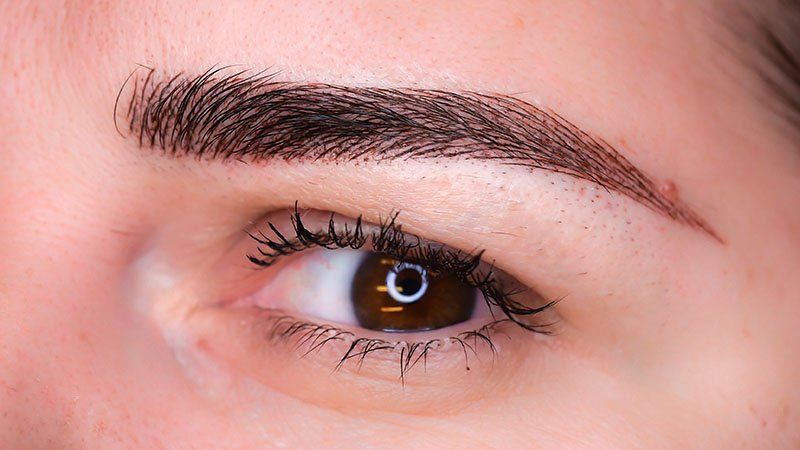
Microblading is a semi-permanent cosmetic procedure to fill in and reshape your eyebrows. It uses a handheld blade made from 10 to 12 needles to create fine micro-cuts in the skin, into which pigment is deposited. The shape of the blades means that the effect looks very realistic, just like real eyebrow hair. It’s best suited for people with thin, patchy, or overplucked brows. An appointment starts with a consultation where you’ll discuss eyebrow shape and color. Then, your face is mapped, the shape is marked out, and the procedure begins. The first appointment can take a couple of hours, and you’ll need a second touch-up appointment four to six weeks after, once the skin is healed.
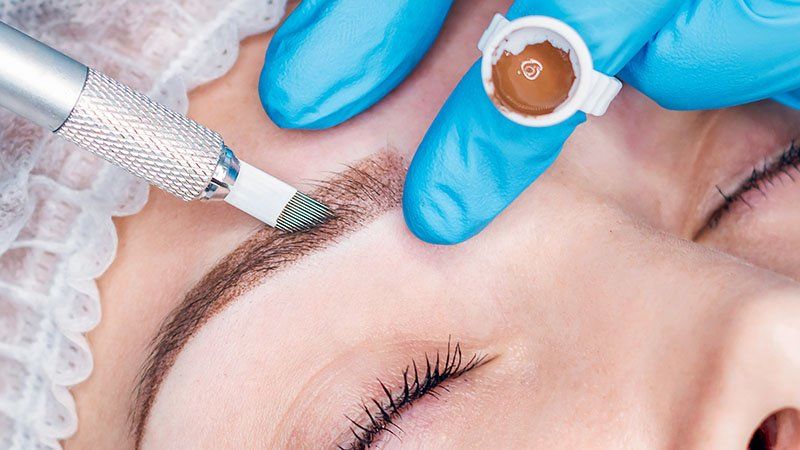
Difference Between Microblading and Eyebrow Feathering
Eyebrow feathering is another form of microblading. However, it uses a single blade tool to create precision strokes, rather than a multi-blade tool. The process is the same — pigment is deposited into the micro-cuts the blade makes to give the illusion of real hair. This type of microblading is better suited for people who have naturally fuller or bushier brows but experience patchiness or want some slight reshaping. The single blade allows the technician to achieve better accuracy.
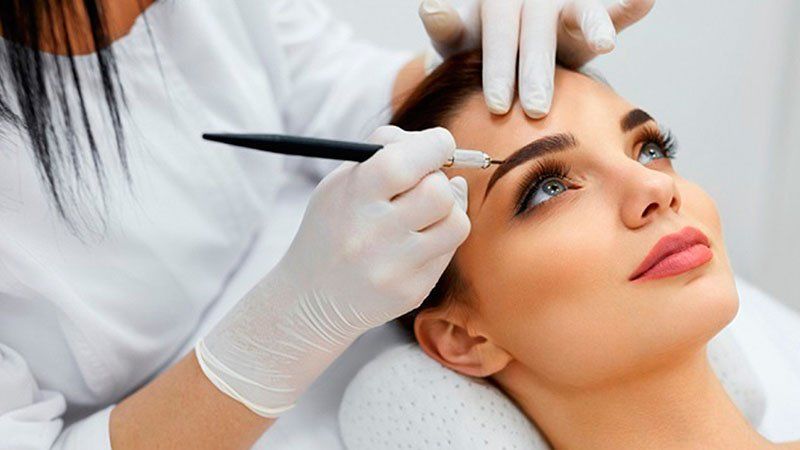
Difference Between Microblading and Eyebrow Tattooing
Eyebrow tattooing is very similar to regular tattooing in that ink is deposited into the skin using a high-vibration gun or pen to penetrate the skin with a needle. The use of ink rather than pigment is the most significant difference between tattooing and microblading. Ink will last forever, while pigments fade with time. Eyebrow tattoos are becoming less common as other methods, such as microblading, become more popular. Tattooed eyebrows can have a less natural, ‘drawn on’ look and can also discolor and experience color bleed over time, just like body tattoos. Another thing to keep in mind is that microblading is sometimes (confusingly) referred to as eyebrow tattooing, so make sure you always confirm with your esthetician exactly what you’re getting.
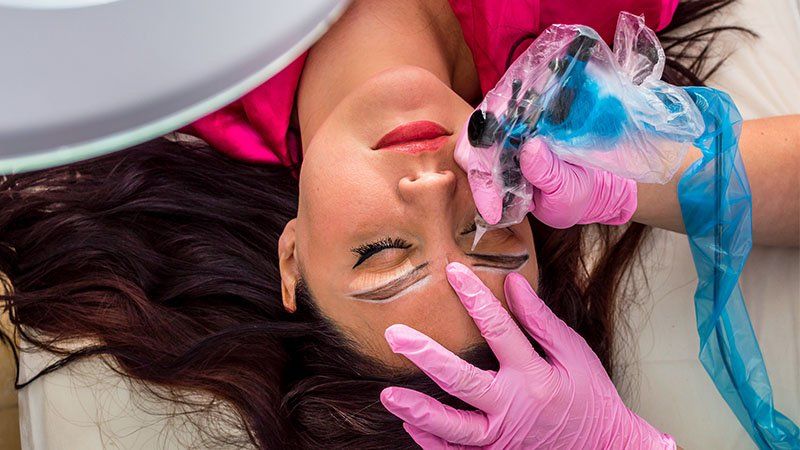
Difference Between Microshading and Microblading
The goal of microshading is to produce fuller-looking eyebrows that appear as if they’ve been filled in with makeup. While microblading creates “hair,” microshading uses a stippling effect for softer, powder-like results. This is why the technique is also referred to as powder or ombre brows. Small dot-shaped incisions are made in the skin, and the pigment is deposited. While the tool looks comparable between the two techniques, the configuration of the needle blades for microshading is round rather than straight, making it easier to create the stippled effect. Microshading is best suited to people with oily or mature skin or who prefer the makeup look.
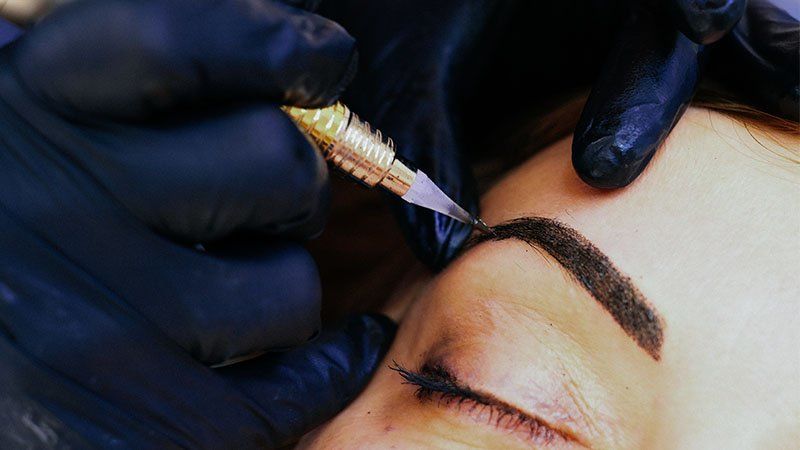
Before and After Eyebrow Microblading
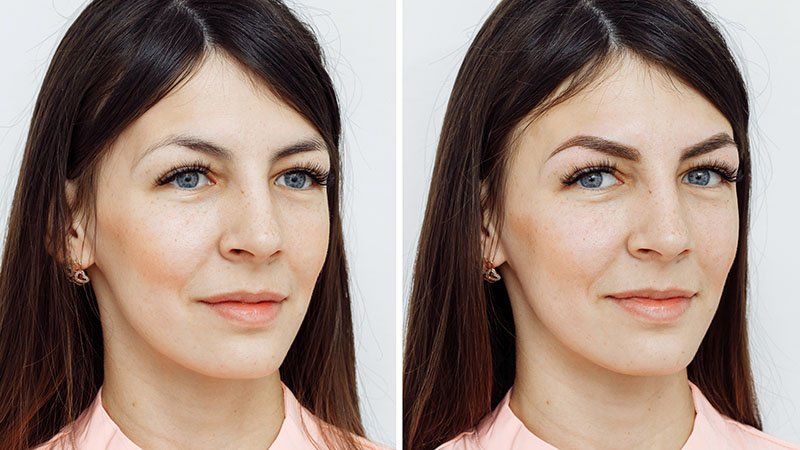
The effects of microblading are instantaneous. You may experience some redness and tenderness immediately after, but you’ll be able to see the results straight away. They might seem a bit dark at first, thanks to residual color, but as the skin heals and the pigment settles, your brows will look even more natural. A second appointment for touch-ups after your brows are healed is essential. This will allow your beauty therapist to fill in any missed sections or areas where the pigment hasn’t settled as well and to check the shape.
Microblading Procedure Process
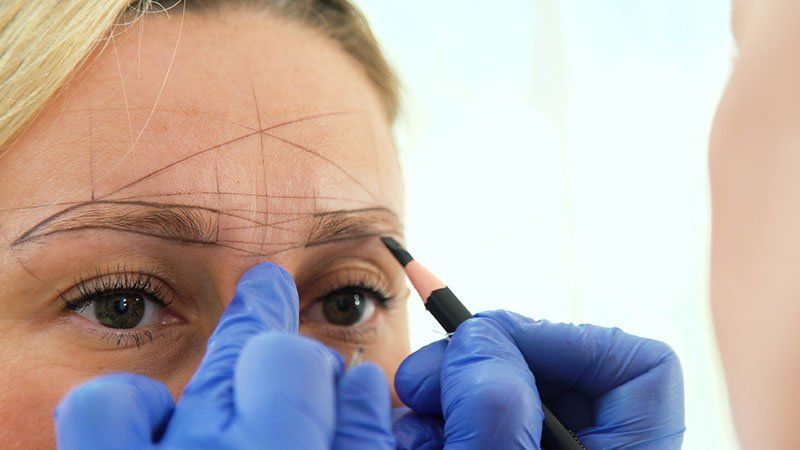
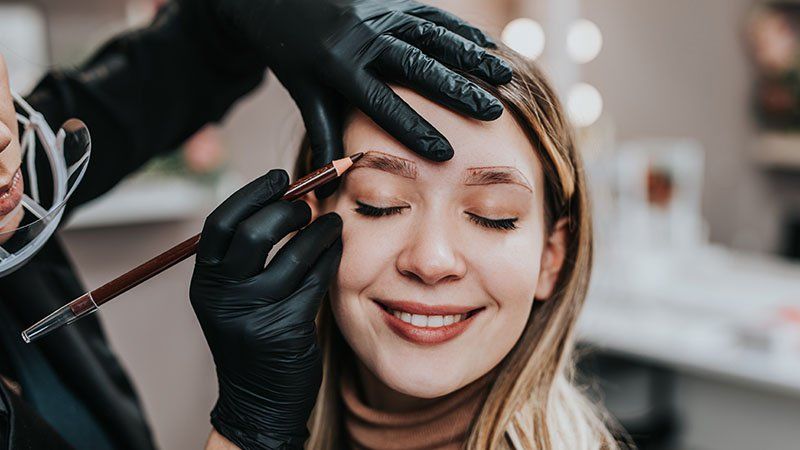
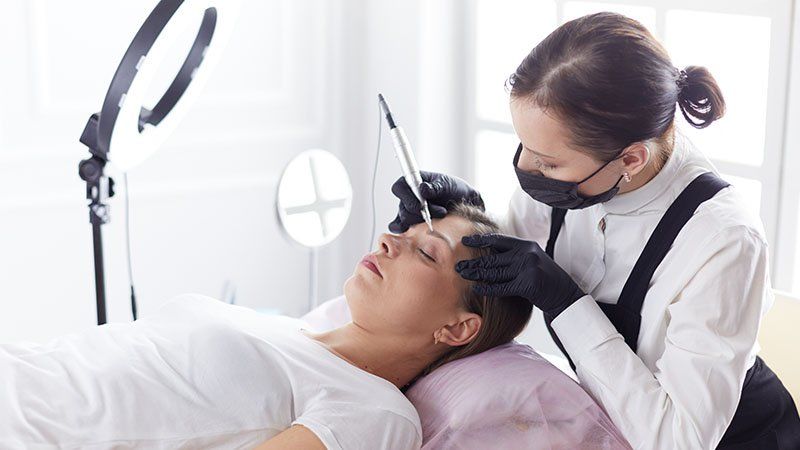
Your microblading appointment is relatively straightforward. It starts with a consultation where you’ll discuss with your practitioner the shape and color you want. A numbing cream is then applied to minimize discomfort. Following this, they’ll map your face and draw on the shape of your new brows, sometimes using a ruler or dyed string to ensure the eyebrows are symmetrical. Once you’ve approved the shape, you’ll lie down on the bed, and they’ll get to work. The procedure is done one eyebrow at a time, creating the incisions and adding the pigment. Excess dye is then removed, and you’re all done! The process can take up to a couple of hours from start to finish. You’ll then need to book a second appointment for four to six weeks after for touch-ups.
How Long Does it Last?
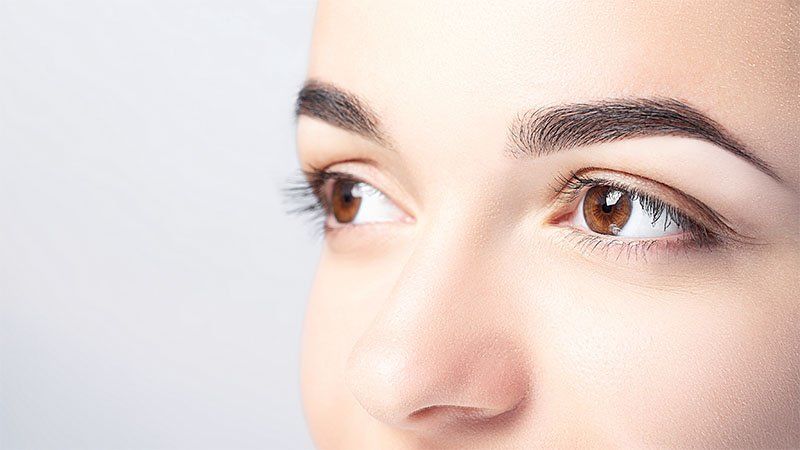
Microbladed eyebrows will last anywhere from one to three years, depending on your skin type. You do need to follow the aftercare instructions to ensure the longevity of the procedure. It’s common to need a touch-up at the 12-15 month mark, depending on your skin and retention.
Post Care
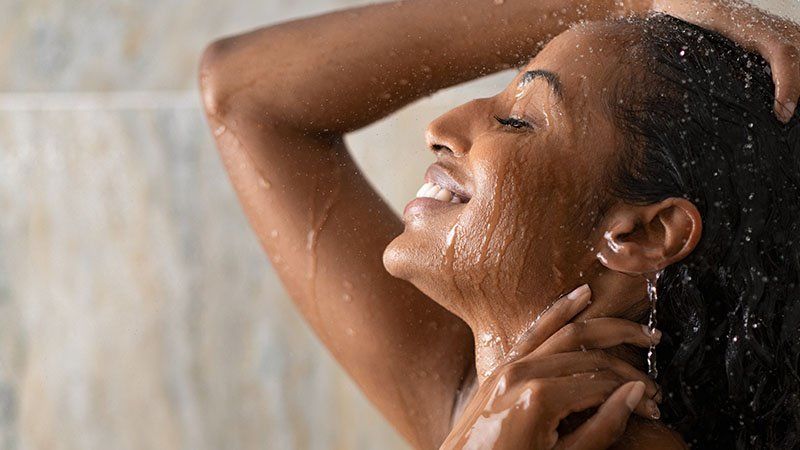
During the first few hours after your appointment, your brows may feel a bit tender, which is normal. The color immediately after might seem very dark, but as the pigment settles and your skin heals, the color will lighten up to 60%. Around day three or four, you’ll start to experience scabbing or flakiness, as well as some itching. Do not scratch or pick at your brows, as tempting as it might be. During the first week, you’ll also need to avoid sweating and getting the brows wet. As such, avoid any sports or gym, and when you wash your face, avoid the eyebrow area. You can use a small amount of sterile water to gently dab your brows to remove any blood or ooziness that may occur. After four weeks, you’ll be completely healed.
Side Effects and Allergies
Infection and allergic reaction are the two most significant risks with microblading. One of the best ways to avoid infection is to do your research when choosing your technician. It’s a somewhat unregulated procedure, and not all locations require a license. Feel free to ask for a license (if applicable), occupational license, or health inspection certificate – a reputable practitioner should provide these. Ask for recommendations from friends or family, and read reviews online. If you’re concerned about an allergic reaction, you can ask for a spot test before the procedure to check. After the session, it’s normal to experience tenderness and redness for a few hours, as well as a small amount of oozing blood and lymph fluid. However, if the pain persists, it swells or starts to leak pus, seek medical attention immediately. You don’t want any infection to reach your bloodstream.
How to Prepare for Microblading Appointment?
You need to do a few things before your appointment, and a lot of it is avoiding certain activities. During the month before the procedure, you should avoid facials, peels, microdermabrasion, skin needling, and laser treatments, or use vitamin A products. These can injure the skin and may have ingredients that interfere with the pigments, ultimately affecting the results. One to two weeks before your session, avoid plucking, waxing, or electrolysis, as well as beauty treatments such as botox or other injections. Then, in the 48 hours prior to your appointment, avoid alcohol, ibuprofen, aspirin, coffee, niacin, and vitamin E. Finally, don’t work out on the day and don’t have a tanned or sunburned face. Remember, too, that you might be more sensitive to pain when you have your period, so if you’re concerned, try to avoid scheduling your appointment when you’re menstruating.
How Much Does it Cost to Have Eyebrows Microbladed?
Microblading is not a cheap procedure, with prices averaging between $500 and $1500. The follow-up appointment is generally less expensive, costing $200-$300. However, when you consider how much time you’ll save filling in your brows each morning or how much it can boost your confidence, it can be worth the price.

Microblading Aftercare
Aftercare is essential to get the best results and prevent infection. Avoid sweating for the first week after the session, meaning you’ll need to stay away from the gym, sports, heavy-duty housework, hot baths, saunas, or steam rooms. You also can’t get them wet, so no swimming or washing your face without avoiding the area completely. Other things to keep in mind include not touching your brows, don’t pick at them, avoid direct sunlight, and don’t get any kind of peels or laser treatments or use any beauty products for ten days. Also, try to avoid dusty situations or driving with the windows down, as airborne particles may cause infection or irritation. Finally, you also can’t wear makeup for a week after either, so be prepared to embrace your natural glow.
Microblading Do’s and Don’ts
Do
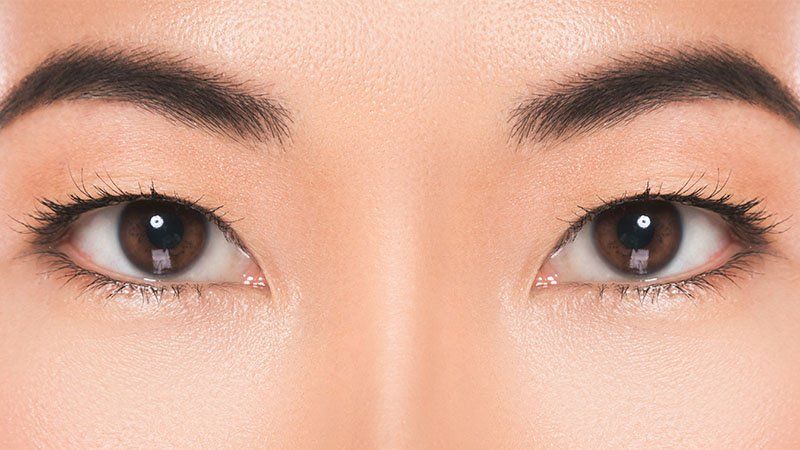
* Prepare properly by avoiding certain activities that can affect the outcome. This can include specific beauty treatments, as well as the consumption of certain painkillers and food.
* Follow your technician’s instructions.
* Make a follow-up appointment for touch-ups.
* Use a barely damp cotton pad with sterile water to blot away blood or lymph fluid.
Don’t
* Be worried if your brows are darker than expected; they’ll fade with healing.
* Touch, scratch, or pick at your brows, especially when they start to scab and flake.
* Get them wet, sweat, or wear makeup for a full week after the procedure.
* Use any cleansers or facial products, or have chemical or laser treatments for ten days.
* Expose them to direct sunlight.
Where to Get Microblading?
Microblading is generally done at a beauty salon, and choosing the right technician is one of the most critical choices you’ll make. You want to make sure you’re selecting someone reputable, experienced, and good at what they do. They should be trained adequately in microblading, and it’s applicable for your location, they should also have a license. The salon should be clean, all the tools should be single-use only, and the technician should wear gloves. Ask for recommendations from friends and family, read reviews online, and look at before, after, and healed pictures on their business page. You can also seek a consultation appointment first, to have a look at their portfolio, check the cleanliness of the salon, and ask questions. Most good brow artists will be booked out, so a wait can be a good thing.
FAQs
How long do Microblading eyebrows last?
Microbladed eyebrows will last anywhere from one to three years, depending on your skin type. You do need to ensure you follow the aftercare instructions to ensure the longevity of the procedure. It's common to need a touch-up at the 12-15 month mark, depending on your skin and retention.
Will eyebrows grow after microblading?
Microblading won't affect the growth of your natural eyebrow hair if it's done correctly. The incisions don't penetrate deep enough to affect the follicle, so it won't prevent growth. Keep this in mind when reshaping, as even if your extra hairs are plucked during your session, they will grow back. As such, it's best to enhance the natural shape rather than change it completely.
Can eyebrow Microblading be corrected?
Unfortunately, there's no easy fix for a bad microblading job. Laser is the best option for removing the dye, but it can be costly. You might also be able to switch brow artists, but not all places take on corrections as it can be a long and complex process. They may need to reshape, shade, remove, or correct color. Getting it right may take a few sessions, so patience is critical.
Does Microblading hurt?
Microblading is relatively painless, with most people reporting minimal levels of pain or discomfort, often describing it as an annoying scratching sensation. Some places do use a numbing cream before commencing to help keep it as pain-free as possible.