
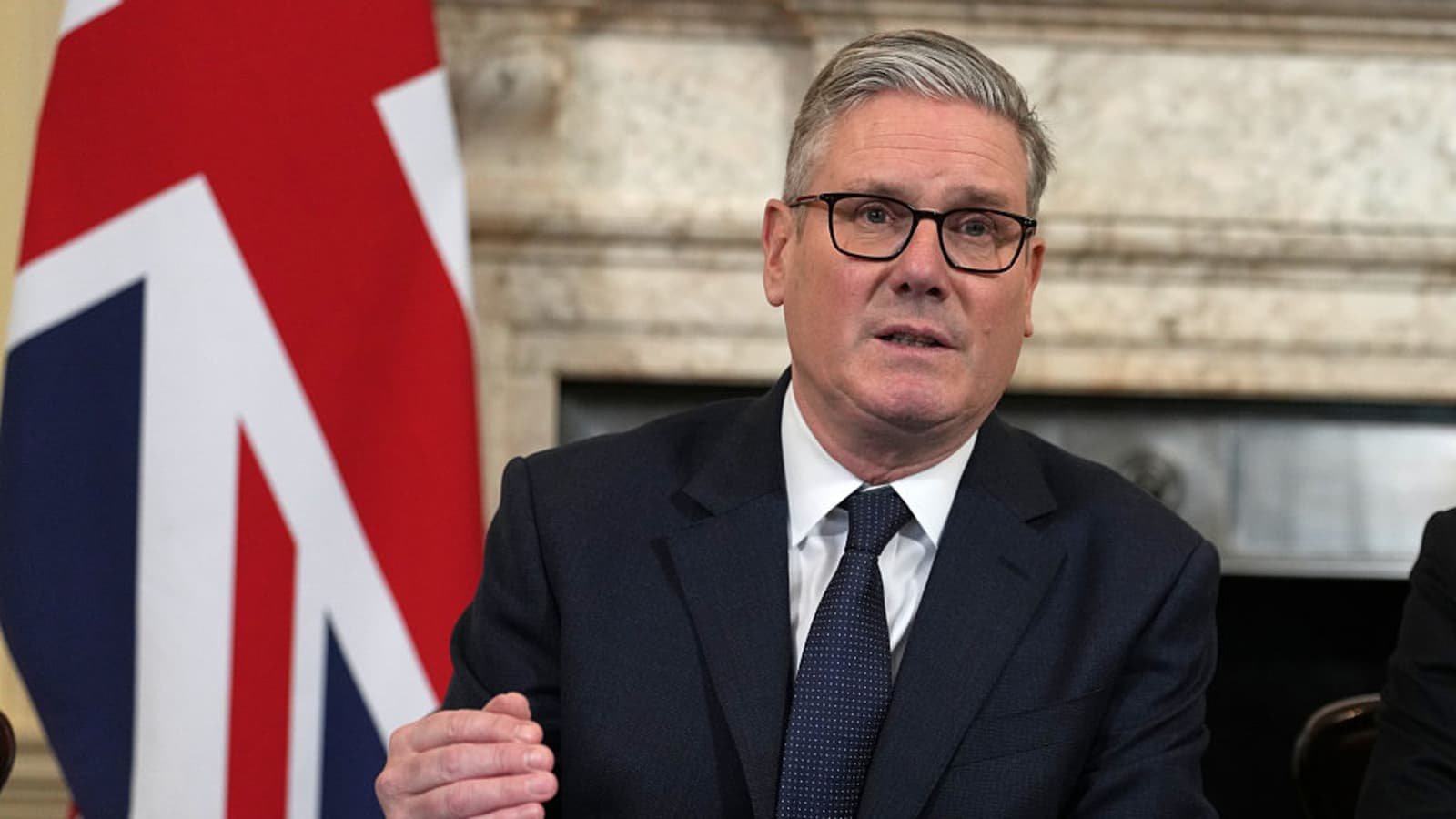
Starmer Voices Frustration Over Global Pressures Driving UK Energy Costs Higher
UK leader highlights impact of international dynamics on domestic prices while calling for stronger national resilience
UK Prime Minister Keir Starmer has expressed frustration over the external pressures influencing Britain’s energy costs, pointing to global geopolitical dynamics as a key factor shaping domestic price volatility.
Speaking amid ongoing market uncertainty, Starmer indicated that developments involving major international actors have had a direct impact on energy prices in the United Kingdom.
He emphasized that global instability, particularly in energy supply chains, continues to translate into higher costs for households and businesses.
The remarks come at a time when energy markets remain sensitive to geopolitical tensions and supply disruptions.
Fluctuations in oil and gas prices have contributed to sustained pressure on national economies, with the UK among those affected by external shocks beyond its immediate control.
Starmer underscored the need for greater domestic resilience, including investment in energy security and diversification of supply sources.
He suggested that reducing reliance on volatile international markets would be essential in shielding consumers from future price surges.
The comments reflect a broader policy debate within the UK over how best to balance short-term cost pressures with long-term energy strategy.
Efforts to expand renewable energy capacity and strengthen infrastructure are increasingly viewed as central to achieving stability.
While acknowledging the complexity of global energy systems, Starmer signaled a determination to pursue policies that enhance national control over energy supply and pricing.
The situation continues to evolve as international developments shape market conditions and influence the trajectory of energy costs in the UK.
The statement highlights the growing recognition among policymakers that domestic energy affordability is closely tied to global events, reinforcing calls for coordinated strategies to manage both immediate challenges and future risks.
Speaking amid ongoing market uncertainty, Starmer indicated that developments involving major international actors have had a direct impact on energy prices in the United Kingdom.
He emphasized that global instability, particularly in energy supply chains, continues to translate into higher costs for households and businesses.
The remarks come at a time when energy markets remain sensitive to geopolitical tensions and supply disruptions.
Fluctuations in oil and gas prices have contributed to sustained pressure on national economies, with the UK among those affected by external shocks beyond its immediate control.
Starmer underscored the need for greater domestic resilience, including investment in energy security and diversification of supply sources.
He suggested that reducing reliance on volatile international markets would be essential in shielding consumers from future price surges.
The comments reflect a broader policy debate within the UK over how best to balance short-term cost pressures with long-term energy strategy.
Efforts to expand renewable energy capacity and strengthen infrastructure are increasingly viewed as central to achieving stability.
While acknowledging the complexity of global energy systems, Starmer signaled a determination to pursue policies that enhance national control over energy supply and pricing.
The situation continues to evolve as international developments shape market conditions and influence the trajectory of energy costs in the UK.
The statement highlights the growing recognition among policymakers that domestic energy affordability is closely tied to global events, reinforcing calls for coordinated strategies to manage both immediate challenges and future risks.