John Major warns UK instability in leadership undermines long-term governance
Former prime minister criticises frequent changes at the top of British politics, arguing that short-term leadership cycles weaken policy delivery and public trust
The UK’s political system of rapidly changing prime ministers is drawing renewed criticism from former Conservative prime minister Sir John Major, who argues that instability at the top of government is undermining the country’s ability to address long-term national problems.
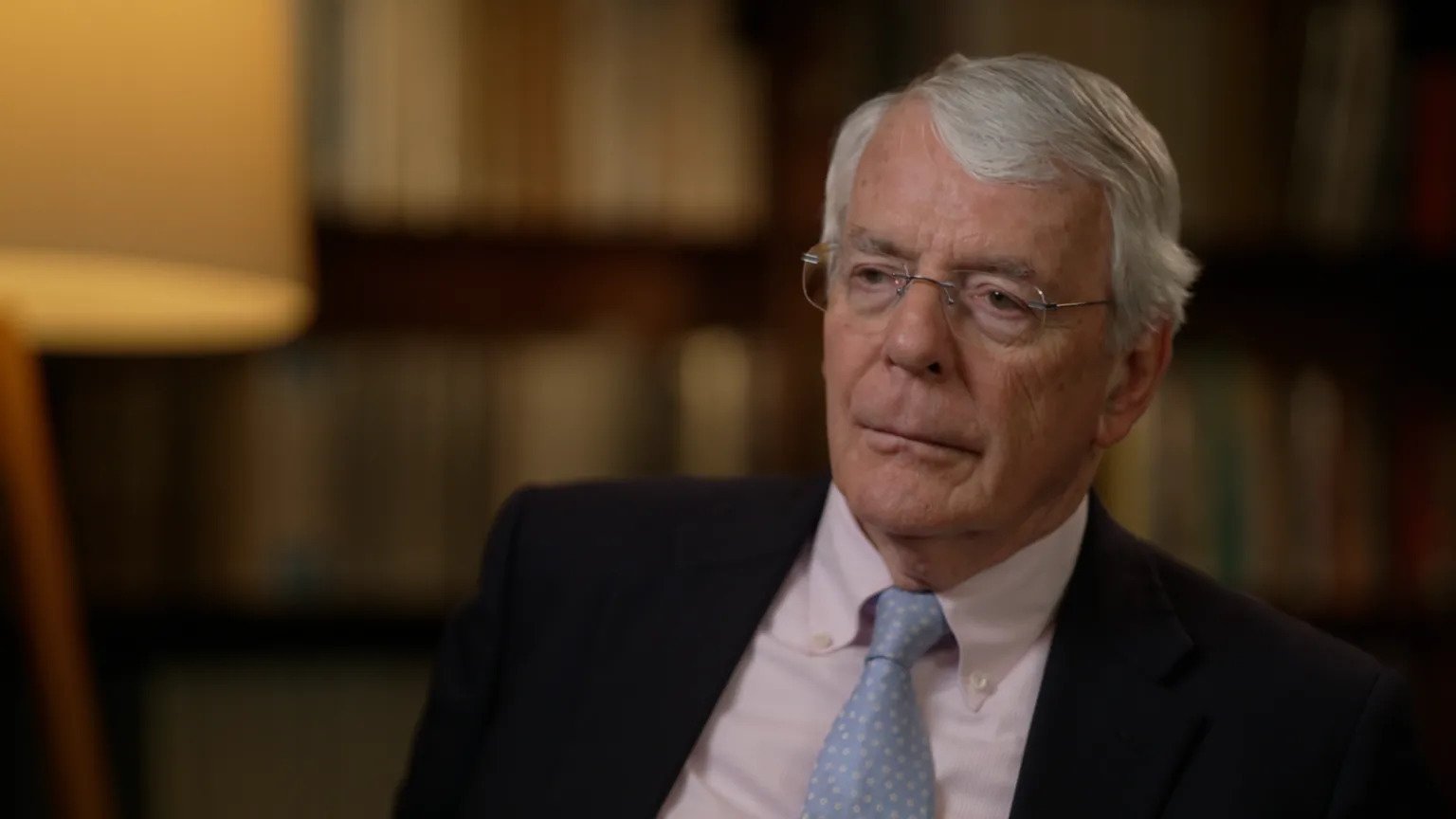
What is confirmed is that Major used a recent public interview to warn that Britain should not continue cycling through prime ministers at pace, describing the trend as damaging to governance and public confidence.
His intervention focuses on a structural concern: the increasing frequency of leadership changes within the UK’s parliamentary system, particularly in recent years when multiple prime ministers have served short and often turbulent terms.
Major’s argument is rooted in the idea that modern political incentives discourage sustained policymaking.
He contends that leaders are increasingly driven by short electoral cycles, media pressure, and internal party instability, rather than long-term national planning.
This, he says, results in governments prioritising immediate political survival over structural reforms in areas such as healthcare, pensions, climate policy, and public finances.
A central point in his warning is the comparison with fixed-term systems such as the United States, where presidents are limited to two terms.
Major has previously supported the concept of term limits for prime ministers, suggesting that longer political tenures often lead to diminishing effectiveness and increasing public fatigue.
His broader position is that leadership turnover should be constrained to encourage policy continuity rather than constant resets in national direction.
The context for his comments is a period of unusually high turnover in British leadership, where multiple prime ministers have taken office within a short timeframe, often following internal party crises rather than general elections.
This pattern has intensified debate about whether the UK’s unwritten constitutional system is equipped to provide stable executive leadership under modern political pressures.
Major also links leadership instability to a wider decline in political standards and institutional trust.
In his view, frequent changes at the top contribute to a perception of government as reactive and fragmented, weakening public confidence in long-term decision-making.
The key concern is not individual leaders but the cumulative effect of repeated transitions on state capacity.
The issue remains politically sensitive because it touches on the balance of power between elected parliamentary parties and the public mandate.
In the UK system, prime ministers can be replaced by their parties without a general election, allowing leadership changes to occur rapidly but also raising questions about democratic accountability when governments change direction mid-term.
Major’s intervention adds to a broader debate among former senior politicians about whether constitutional reform is needed to stabilise executive leadership.
While no formal changes are currently being implemented, the discussion highlights growing unease about whether the existing system can sustain coherent long-term governance in an era of heightened political volatility.
The immediate implication of his warning is a renewed focus on leadership stability as a policy issue in its own right, rather than simply an internal party matter, reinforcing pressure on political parties to avoid repeated cycles of rapid prime ministerial turnover.
What is confirmed is that Major used a recent public interview to warn that Britain should not continue cycling through prime ministers at pace, describing the trend as damaging to governance and public confidence.
His intervention focuses on a structural concern: the increasing frequency of leadership changes within the UK’s parliamentary system, particularly in recent years when multiple prime ministers have served short and often turbulent terms.
Major’s argument is rooted in the idea that modern political incentives discourage sustained policymaking.
He contends that leaders are increasingly driven by short electoral cycles, media pressure, and internal party instability, rather than long-term national planning.
This, he says, results in governments prioritising immediate political survival over structural reforms in areas such as healthcare, pensions, climate policy, and public finances.
A central point in his warning is the comparison with fixed-term systems such as the United States, where presidents are limited to two terms.
Major has previously supported the concept of term limits for prime ministers, suggesting that longer political tenures often lead to diminishing effectiveness and increasing public fatigue.
His broader position is that leadership turnover should be constrained to encourage policy continuity rather than constant resets in national direction.
The context for his comments is a period of unusually high turnover in British leadership, where multiple prime ministers have taken office within a short timeframe, often following internal party crises rather than general elections.
This pattern has intensified debate about whether the UK’s unwritten constitutional system is equipped to provide stable executive leadership under modern political pressures.
Major also links leadership instability to a wider decline in political standards and institutional trust.
In his view, frequent changes at the top contribute to a perception of government as reactive and fragmented, weakening public confidence in long-term decision-making.
The key concern is not individual leaders but the cumulative effect of repeated transitions on state capacity.
The issue remains politically sensitive because it touches on the balance of power between elected parliamentary parties and the public mandate.
In the UK system, prime ministers can be replaced by their parties without a general election, allowing leadership changes to occur rapidly but also raising questions about democratic accountability when governments change direction mid-term.
Major’s intervention adds to a broader debate among former senior politicians about whether constitutional reform is needed to stabilise executive leadership.
While no formal changes are currently being implemented, the discussion highlights growing unease about whether the existing system can sustain coherent long-term governance in an era of heightened political volatility.
The immediate implication of his warning is a renewed focus on leadership stability as a policy issue in its own right, rather than simply an internal party matter, reinforcing pressure on political parties to avoid repeated cycles of rapid prime ministerial turnover.