
UK Calls for Full and Toll-Free Access Through Strait of Hormuz Amid Rising Tensions
Government urges open navigation to protect global energy flows and economic stability
The United Kingdom has called for the full and toll-free reopening of the Strait of Hormuz, emphasizing the need to safeguard one of the world’s most critical maritime routes amid heightened regional tensions.
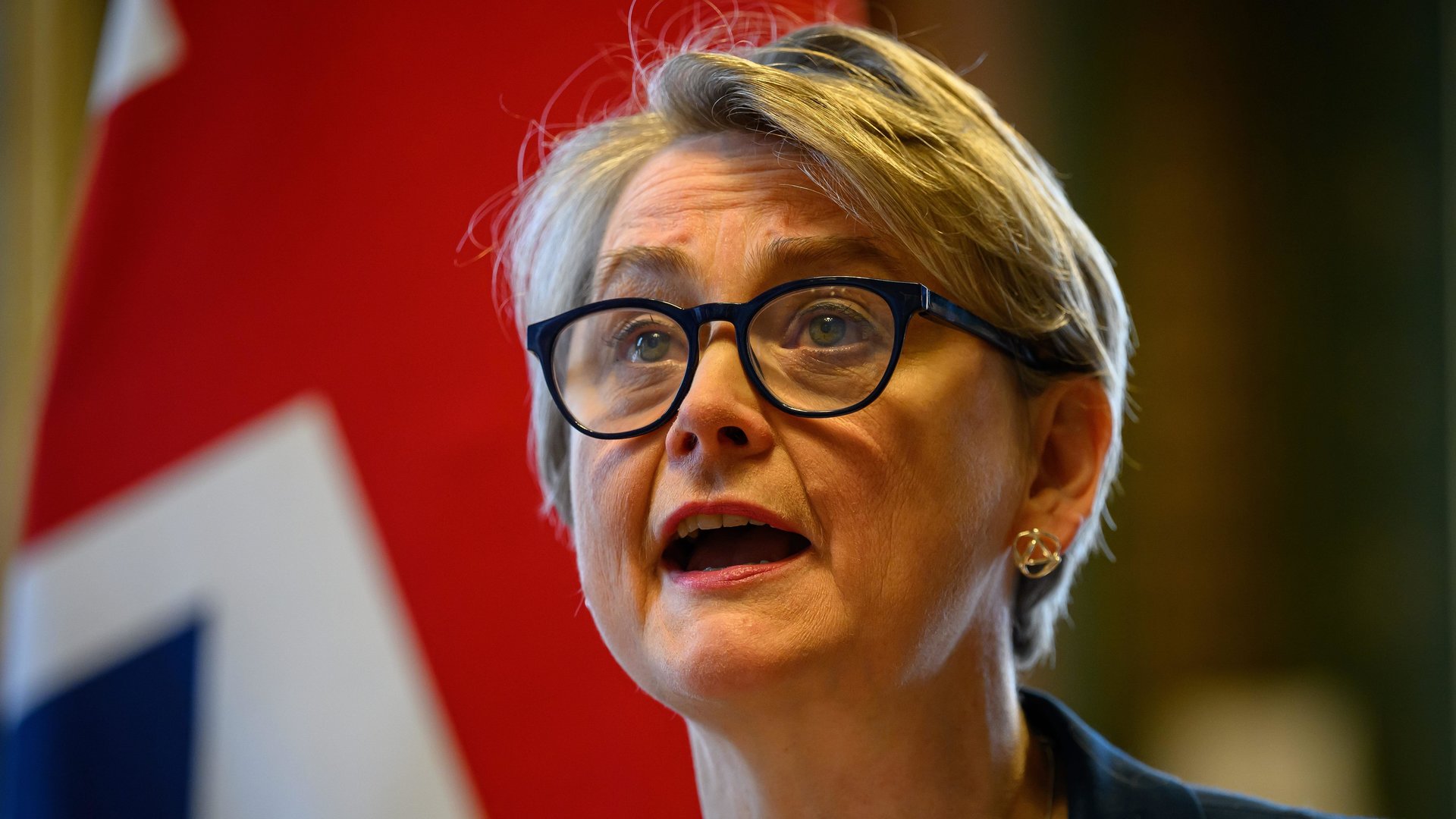
Home Secretary James Cleverly Cooper stressed that the strait must remain open to all commercial shipping without additional charges or restrictions, warning that any disruption could have far-reaching consequences for global energy markets and economic stability.
The waterway serves as a key transit point for a significant share of the world’s oil and gas supplies.
The call comes at a time of increased concern over security in the region, with recent developments raising fears about potential interference with shipping lanes.
British officials have underscored the importance of maintaining free navigation, highlighting that any impediment to the flow of goods would affect not only energy prices but also broader international trade.
The UK’s position reflects a broader international consensus on the strategic importance of the Strait of Hormuz, which connects major energy producers in the Gulf to global markets.
Ensuring its accessibility is seen as essential to preventing supply disruptions and maintaining market confidence.
Officials have also pointed to the legal framework governing international waterways, noting that the principle of free passage is central to global maritime norms.
The UK has signaled its readiness to work with partners to uphold these standards and deter any actions that could undermine them.
The situation remains under close observation as diplomatic efforts continue to stabilize the region.
The UK’s intervention highlights the urgency of maintaining uninterrupted access to critical infrastructure that underpins the global economy.
As tensions evolve, ensuring the continued openness of the strait is expected to remain a central focus for policymakers and international stakeholders seeking to avoid further escalation and protect vital supply chains.
Home Secretary James Cleverly Cooper stressed that the strait must remain open to all commercial shipping without additional charges or restrictions, warning that any disruption could have far-reaching consequences for global energy markets and economic stability.
The waterway serves as a key transit point for a significant share of the world’s oil and gas supplies.
The call comes at a time of increased concern over security in the region, with recent developments raising fears about potential interference with shipping lanes.
British officials have underscored the importance of maintaining free navigation, highlighting that any impediment to the flow of goods would affect not only energy prices but also broader international trade.
The UK’s position reflects a broader international consensus on the strategic importance of the Strait of Hormuz, which connects major energy producers in the Gulf to global markets.
Ensuring its accessibility is seen as essential to preventing supply disruptions and maintaining market confidence.
Officials have also pointed to the legal framework governing international waterways, noting that the principle of free passage is central to global maritime norms.
The UK has signaled its readiness to work with partners to uphold these standards and deter any actions that could undermine them.
The situation remains under close observation as diplomatic efforts continue to stabilize the region.
The UK’s intervention highlights the urgency of maintaining uninterrupted access to critical infrastructure that underpins the global economy.
As tensions evolve, ensuring the continued openness of the strait is expected to remain a central focus for policymakers and international stakeholders seeking to avoid further escalation and protect vital supply chains.