Royal Visit Highlights Local Diplomacy as King Charles and Queen Camilla Conclude U.S. Trip in Small-Town Stop
The British monarchs’ final engagement in the United States focused on cultural ties, community diplomacy, and symbolic soft power rather than formal political negotiations
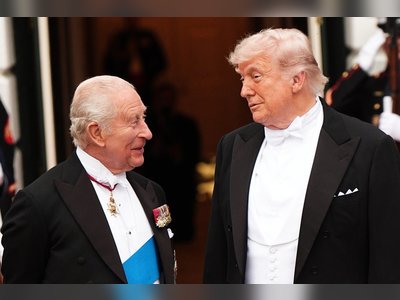
A ceremonial royal visit by King Charles III and Queen Camilla to a small American town marked the conclusion of their recent trip to the United States, underscoring the continued use of monarchy-driven diplomacy as a form of cultural and symbolic statecraft rather than direct political negotiation.
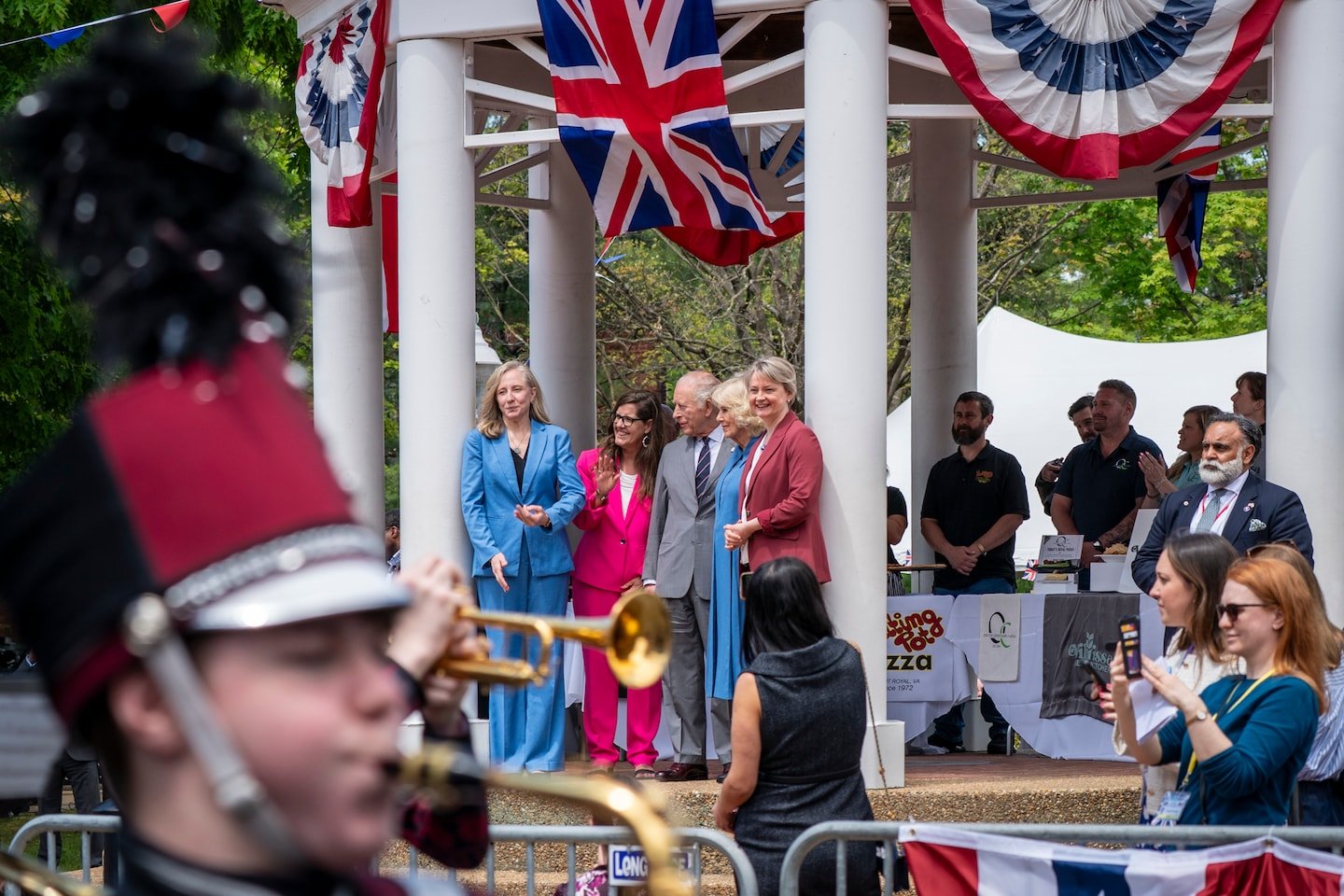
What is confirmed is that the royal couple’s itinerary included a final public engagement outside major political centers, where they met local officials, community representatives, and cultural organizations.
The visit was framed as part of a broader effort to reinforce long-standing ties between the United Kingdom and the United States through heritage, environmental cooperation, and civil society engagement.
The mechanism of the trip reflects modern royal diplomacy.
Unlike traditional state visits focused on treaties or policy agreements, contemporary royal tours emphasize soft power—using visibility, symbolism, and curated public interactions to strengthen bilateral goodwill.
In this case, the focus on a smaller town was intended to highlight grassroots connections and shared cultural identity rather than elite political institutions.
Security and logistics were tightly managed, with restricted access zones and coordinated planning between British diplomatic staff and U.S. local authorities.
These arrangements are standard for high-profile royal visits, balancing public accessibility with security protocols for heads of state-level figures, even in a ceremonial capacity.
During the visit, the royals engaged in community-facing events that included cultural demonstrations and discussions with local leaders about education, environmental conservation, and civic engagement.
These themes align with the broader priorities of King Charles III’s public agenda, particularly his long-standing emphasis on climate issues and sustainable development.
The United States portion of the trip did not involve formal negotiations or policy announcements, consistent with the constitutional role of the British monarchy.
Instead, it functioned as a diplomatic complement to government-to-government relations, reinforcing symbolic continuity between the two countries’ institutions.
The stakes of such visits are primarily reputational and relational rather than legislative or economic.
Royal engagements can shape public perception, strengthen cultural affinity, and provide visibility for shared initiatives, but they do not directly alter bilateral policy frameworks.
Their effectiveness is therefore measured in public diplomacy terms rather than concrete agreements.
As the tour concluded, attention shifted to how the visit will be interpreted in both countries.
For the United Kingdom, it reinforces the monarchy’s ongoing international role despite its limited constitutional powers.
For the United States, it reflects the continued relevance of ceremonial diplomacy in a political system that does not formally recognize monarchical authority but still engages with it as a cultural institution.
The visit ended with the royal delegation departing the United States, closing a tightly scheduled itinerary designed to maximize public engagement while minimizing disruption to local governance and security operations.
What is confirmed is that the royal couple’s itinerary included a final public engagement outside major political centers, where they met local officials, community representatives, and cultural organizations.
The visit was framed as part of a broader effort to reinforce long-standing ties between the United Kingdom and the United States through heritage, environmental cooperation, and civil society engagement.
The mechanism of the trip reflects modern royal diplomacy.
Unlike traditional state visits focused on treaties or policy agreements, contemporary royal tours emphasize soft power—using visibility, symbolism, and curated public interactions to strengthen bilateral goodwill.
In this case, the focus on a smaller town was intended to highlight grassroots connections and shared cultural identity rather than elite political institutions.
Security and logistics were tightly managed, with restricted access zones and coordinated planning between British diplomatic staff and U.S. local authorities.
These arrangements are standard for high-profile royal visits, balancing public accessibility with security protocols for heads of state-level figures, even in a ceremonial capacity.
During the visit, the royals engaged in community-facing events that included cultural demonstrations and discussions with local leaders about education, environmental conservation, and civic engagement.
These themes align with the broader priorities of King Charles III’s public agenda, particularly his long-standing emphasis on climate issues and sustainable development.
The United States portion of the trip did not involve formal negotiations or policy announcements, consistent with the constitutional role of the British monarchy.
Instead, it functioned as a diplomatic complement to government-to-government relations, reinforcing symbolic continuity between the two countries’ institutions.
The stakes of such visits are primarily reputational and relational rather than legislative or economic.
Royal engagements can shape public perception, strengthen cultural affinity, and provide visibility for shared initiatives, but they do not directly alter bilateral policy frameworks.
Their effectiveness is therefore measured in public diplomacy terms rather than concrete agreements.
As the tour concluded, attention shifted to how the visit will be interpreted in both countries.
For the United Kingdom, it reinforces the monarchy’s ongoing international role despite its limited constitutional powers.
For the United States, it reflects the continued relevance of ceremonial diplomacy in a political system that does not formally recognize monarchical authority but still engages with it as a cultural institution.
The visit ended with the royal delegation departing the United States, closing a tightly scheduled itinerary designed to maximize public engagement while minimizing disruption to local governance and security operations.