
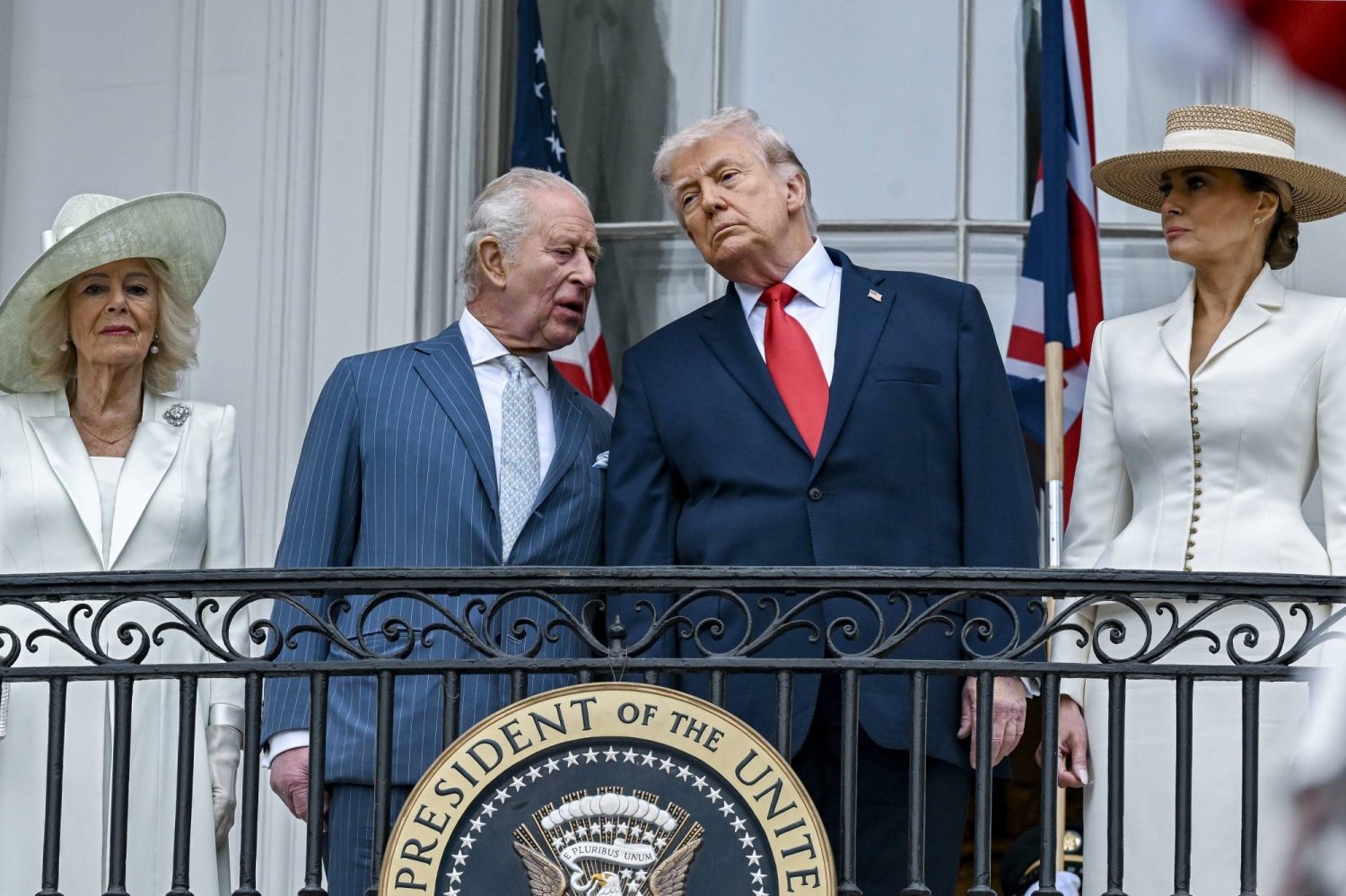
Royal diplomacy masks strain in US–UK relations as reset hopes are scaled back
King Charles’s US visit showcased public warmth with Donald Trump, but officials on both sides signal limited scope for a strategic reset amid policy divergences
The state-level management of US–UK relations remains anchored in institutional diplomacy rather than political alignment, as both governments temper expectations of a strategic reset despite the outward warmth of King Charles III’s visit to Washington.
The core driver of the story is SYSTEM-DRIVEN: the structural alignment between two allies whose cooperation is increasingly constrained by diverging policy priorities.
King Charles III and Queen Camilla’s official visit to the United States was designed to reinforce longstanding ties through ceremonial diplomacy, including high-profile meetings with President Donald Trump, a state dinner, and public events emphasising shared history and military cooperation.
The public messaging during the visit was notably cordial, with Trump offering repeated personal praise for the monarch and framing the relationship in affectionate and symbolic terms.
What is confirmed is that the tone of the visit was deliberately positive and closely choreographed to project unity.
However, UK officials have avoided presenting the trip as a substantive reset in bilateral relations, reflecting a more cautious assessment of the underlying political and strategic realities.
The key issue is that structural disagreements continue to define the relationship beneath the ceremonial surface.
These include persistent divergences on foreign policy priorities, including approaches to global conflicts, burden-sharing within NATO, and trade-related disputes over tariffs and regulatory standards.
These issues have developed over time and reflect deeper differences in strategic outlook rather than isolated policy disagreements.
Defence and security coordination remains a central pressure point.
While both countries continue to cooperate closely within NATO and on intelligence-sharing frameworks, they have shown differing thresholds on military engagement and crisis response, particularly in relation to conflicts in the Middle East and broader regional security challenges.
These differences have created recurring friction in operational coordination.
Economic relations add another layer of complexity.
Despite strong trade and investment ties, unresolved disputes over tariffs, digital taxation, and regulatory alignment continue to limit progress toward deeper economic integration.
These tensions reinforce the broader pattern of a relationship that is cooperative but increasingly transactional in nature.
The visit also highlighted the continuing role of the monarchy as a diplomatic stabiliser rather than a policy actor.
King Charles’s engagement is intended to reinforce continuity and goodwill at a symbolic level, but it does not alter the underlying constraints shaping government-to-government negotiations.
The monarchy’s influence remains rooted in soft power rather than decision-making authority.
External political noise during the visit, including reports of internal US discussions touching on sensitive sovereignty issues such as the Falkland Islands, briefly added to the diplomatic sensitivity of the moment.
US officials publicly downplayed these reports, and no formal change in US policy has occurred.
Washington continues to maintain its longstanding neutral position on sovereignty while recognising UK administration in practice.
The practical outcome of the visit is therefore limited.
While it succeeded in reinforcing public displays of goodwill and maintaining the appearance of strong bilateral ties, it did not resolve or materially shift the structural disagreements that define the modern US–UK relationship.
The trajectory remains one of managed cooperation within a framework of persistent policy divergence.
The core driver of the story is SYSTEM-DRIVEN: the structural alignment between two allies whose cooperation is increasingly constrained by diverging policy priorities.
King Charles III and Queen Camilla’s official visit to the United States was designed to reinforce longstanding ties through ceremonial diplomacy, including high-profile meetings with President Donald Trump, a state dinner, and public events emphasising shared history and military cooperation.
The public messaging during the visit was notably cordial, with Trump offering repeated personal praise for the monarch and framing the relationship in affectionate and symbolic terms.
What is confirmed is that the tone of the visit was deliberately positive and closely choreographed to project unity.
However, UK officials have avoided presenting the trip as a substantive reset in bilateral relations, reflecting a more cautious assessment of the underlying political and strategic realities.
The key issue is that structural disagreements continue to define the relationship beneath the ceremonial surface.
These include persistent divergences on foreign policy priorities, including approaches to global conflicts, burden-sharing within NATO, and trade-related disputes over tariffs and regulatory standards.
These issues have developed over time and reflect deeper differences in strategic outlook rather than isolated policy disagreements.
Defence and security coordination remains a central pressure point.
While both countries continue to cooperate closely within NATO and on intelligence-sharing frameworks, they have shown differing thresholds on military engagement and crisis response, particularly in relation to conflicts in the Middle East and broader regional security challenges.
These differences have created recurring friction in operational coordination.
Economic relations add another layer of complexity.
Despite strong trade and investment ties, unresolved disputes over tariffs, digital taxation, and regulatory alignment continue to limit progress toward deeper economic integration.
These tensions reinforce the broader pattern of a relationship that is cooperative but increasingly transactional in nature.
The visit also highlighted the continuing role of the monarchy as a diplomatic stabiliser rather than a policy actor.
King Charles’s engagement is intended to reinforce continuity and goodwill at a symbolic level, but it does not alter the underlying constraints shaping government-to-government negotiations.
The monarchy’s influence remains rooted in soft power rather than decision-making authority.
External political noise during the visit, including reports of internal US discussions touching on sensitive sovereignty issues such as the Falkland Islands, briefly added to the diplomatic sensitivity of the moment.
US officials publicly downplayed these reports, and no formal change in US policy has occurred.
Washington continues to maintain its longstanding neutral position on sovereignty while recognising UK administration in practice.
The practical outcome of the visit is therefore limited.
While it succeeded in reinforcing public displays of goodwill and maintaining the appearance of strong bilateral ties, it did not resolve or materially shift the structural disagreements that define the modern US–UK relationship.
The trajectory remains one of managed cooperation within a framework of persistent policy divergence.