
Argentina Tests Diplomatic Leverage on Falklands as Milei Eyes Trump Alignment
New Argentine strategy explores political ties with Washington to revive sovereignty push over British-controlled islands
Argentina’s foreign policy strategy under President Javier Milei—particularly its attempt to leverage closer ties with the United States—has become the central driver of renewed attention on the long-running sovereignty dispute over the Falkland Islands, a British Overseas Territory claimed by Argentina.
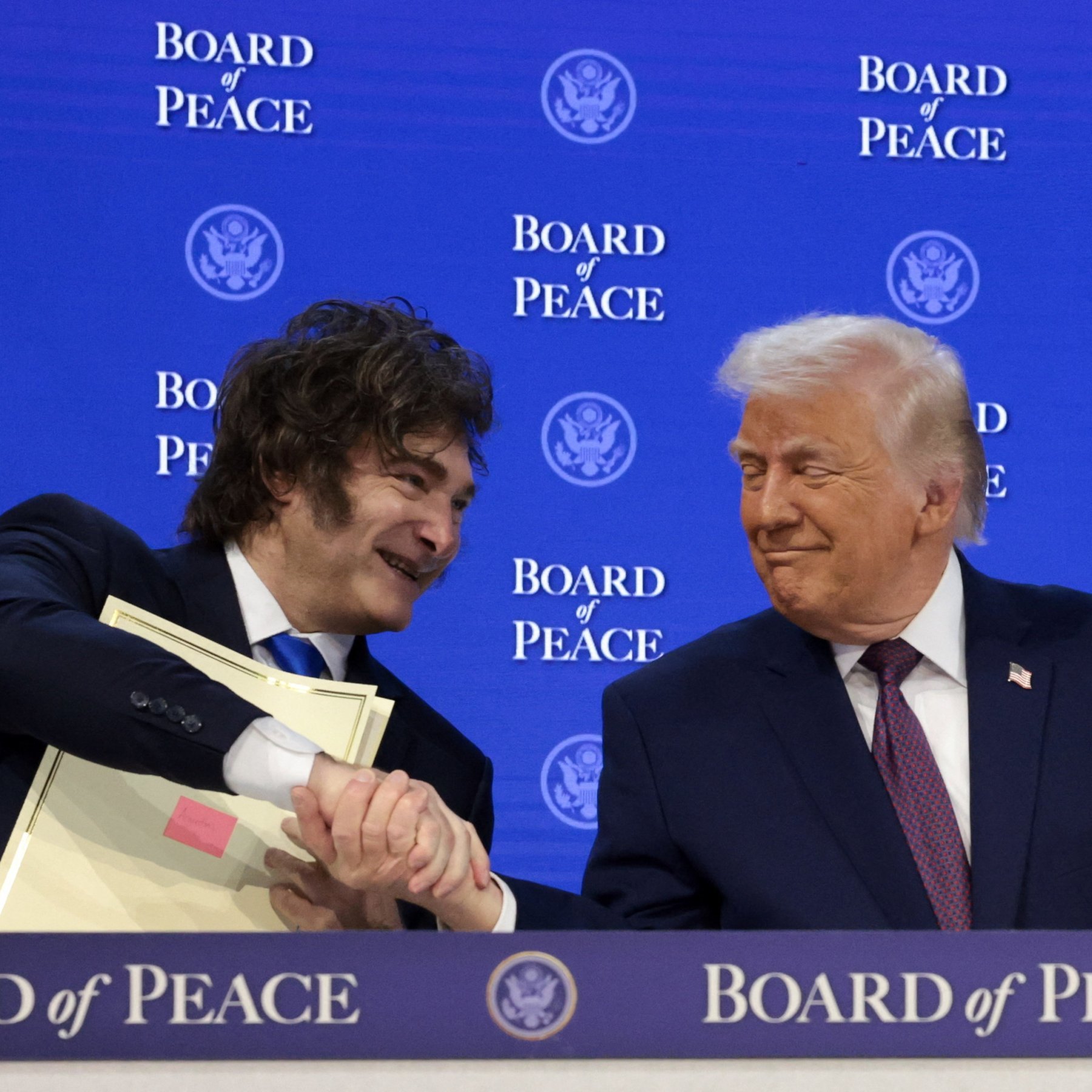
What is confirmed is that Milei has shifted Argentina’s international posture toward stronger alignment with the United States and Western partners, including expressing support for closer political and economic ties with figures associated with a potential return of Donald Trump to power.
This repositioning marks a departure from previous Argentine governments that pursued a more non-aligned or regionally focused diplomatic approach.
The Falklands dispute dates back nearly two centuries and escalated into armed conflict in 1982, when Argentina invaded the islands and the United Kingdom responded militarily, ultimately reasserting control.
Since then, Britain has maintained administration of the islands, whose residents have repeatedly expressed a preference to remain under British sovereignty.
Argentina continues to claim the territory, referring to it as the Malvinas.
The mechanism behind Milei’s current approach is diplomatic recalibration rather than immediate confrontation.
By strengthening ties with influential figures in Washington, Argentina appears to be exploring whether it can shift the broader geopolitical context in which the dispute is managed.
The United States has historically supported the United Kingdom’s administration of the islands while encouraging dialogue, making any change in tone or emphasis potentially significant.
The idea that closer ties with a Trump-aligned U.S. administration could alter the balance is speculative and not confirmed as policy.
However, it reflects a strategic calculation: that political alignment with a major power could create openings for renewed negotiations or increased international pressure on the UK. This approach relies on indirect influence rather than legal or military escalation.
For the United Kingdom, the position remains consistent and firmly stated.
British authorities maintain that the principle of self-determination is decisive, citing the overwhelming support among Falkland Islanders to remain a British territory.
This stance leaves little room for negotiation on sovereignty, regardless of external diplomatic pressure.
The stakes are both symbolic and practical.
For Argentina, the claim is tied to national identity and historical grievance.
For the UK, it involves territorial integrity, the rights of island residents, and strategic presence in the South Atlantic.
The islands also have economic value, including fisheries and potential energy resources, which reinforce their importance.
The broader geopolitical environment complicates the issue.
While Argentina seeks to deepen ties with the United States, Washington’s longstanding alliance with the UK limits the likelihood of a fundamental policy shift.
Even under different administrations, U.S. support for British sovereignty has remained largely stable, rooted in strategic and defense relationships.
Milei’s strategy also carries domestic implications.
Emphasizing international alignment and a more pro-Western stance may bolster his broader economic and political agenda, while revisiting the Falklands issue taps into longstanding public sentiment.
However, raising expectations without a clear pathway to change risks political backlash if tangible progress does not follow.
The immediate outcome is a diplomatic repositioning rather than a substantive shift in the dispute itself, with Argentina testing whether closer alignment with U.S. political actors can translate into influence over a sovereignty issue that has remained effectively frozen for decades.
What is confirmed is that Milei has shifted Argentina’s international posture toward stronger alignment with the United States and Western partners, including expressing support for closer political and economic ties with figures associated with a potential return of Donald Trump to power.
This repositioning marks a departure from previous Argentine governments that pursued a more non-aligned or regionally focused diplomatic approach.
The Falklands dispute dates back nearly two centuries and escalated into armed conflict in 1982, when Argentina invaded the islands and the United Kingdom responded militarily, ultimately reasserting control.
Since then, Britain has maintained administration of the islands, whose residents have repeatedly expressed a preference to remain under British sovereignty.
Argentina continues to claim the territory, referring to it as the Malvinas.
The mechanism behind Milei’s current approach is diplomatic recalibration rather than immediate confrontation.
By strengthening ties with influential figures in Washington, Argentina appears to be exploring whether it can shift the broader geopolitical context in which the dispute is managed.
The United States has historically supported the United Kingdom’s administration of the islands while encouraging dialogue, making any change in tone or emphasis potentially significant.
The idea that closer ties with a Trump-aligned U.S. administration could alter the balance is speculative and not confirmed as policy.
However, it reflects a strategic calculation: that political alignment with a major power could create openings for renewed negotiations or increased international pressure on the UK. This approach relies on indirect influence rather than legal or military escalation.
For the United Kingdom, the position remains consistent and firmly stated.
British authorities maintain that the principle of self-determination is decisive, citing the overwhelming support among Falkland Islanders to remain a British territory.
This stance leaves little room for negotiation on sovereignty, regardless of external diplomatic pressure.
The stakes are both symbolic and practical.
For Argentina, the claim is tied to national identity and historical grievance.
For the UK, it involves territorial integrity, the rights of island residents, and strategic presence in the South Atlantic.
The islands also have economic value, including fisheries and potential energy resources, which reinforce their importance.
The broader geopolitical environment complicates the issue.
While Argentina seeks to deepen ties with the United States, Washington’s longstanding alliance with the UK limits the likelihood of a fundamental policy shift.
Even under different administrations, U.S. support for British sovereignty has remained largely stable, rooted in strategic and defense relationships.
Milei’s strategy also carries domestic implications.
Emphasizing international alignment and a more pro-Western stance may bolster his broader economic and political agenda, while revisiting the Falklands issue taps into longstanding public sentiment.
However, raising expectations without a clear pathway to change risks political backlash if tangible progress does not follow.
The immediate outcome is a diplomatic repositioning rather than a substantive shift in the dispute itself, with Argentina testing whether closer alignment with U.S. political actors can translate into influence over a sovereignty issue that has remained effectively frozen for decades.