UK Manufacturers Face Rising Costs and Delays as Iran-Linked Conflict Disrupts Supply Chains
Energy shocks and shipping disruptions ripple through British industry, squeezing margins and slowing production
Global supply chain and energy market dynamics—shaped by escalating conflict involving Iran—are driving a new wave of disruption for UK manufacturers, forcing factories to prepare for higher input costs and longer delivery times.
What is confirmed is that renewed instability in the Middle East has begun to affect key trade routes and energy prices, both of which are critical to industrial production in the United Kingdom.
The region is central to global oil flows and maritime shipping lanes, and any conflict involving Iran increases the risk of disruption in the Strait of Hormuz and surrounding corridors, through which a significant share of global energy supplies pass.
The mechanism is twofold.
First, heightened geopolitical risk pushes up oil and gas prices, raising the cost of energy-intensive manufacturing processes.
Second, shipping routes become less reliable or more expensive as insurers raise premiums and vessels reroute to avoid high-risk zones.
These changes extend transit times and increase logistics costs for raw materials and finished goods.
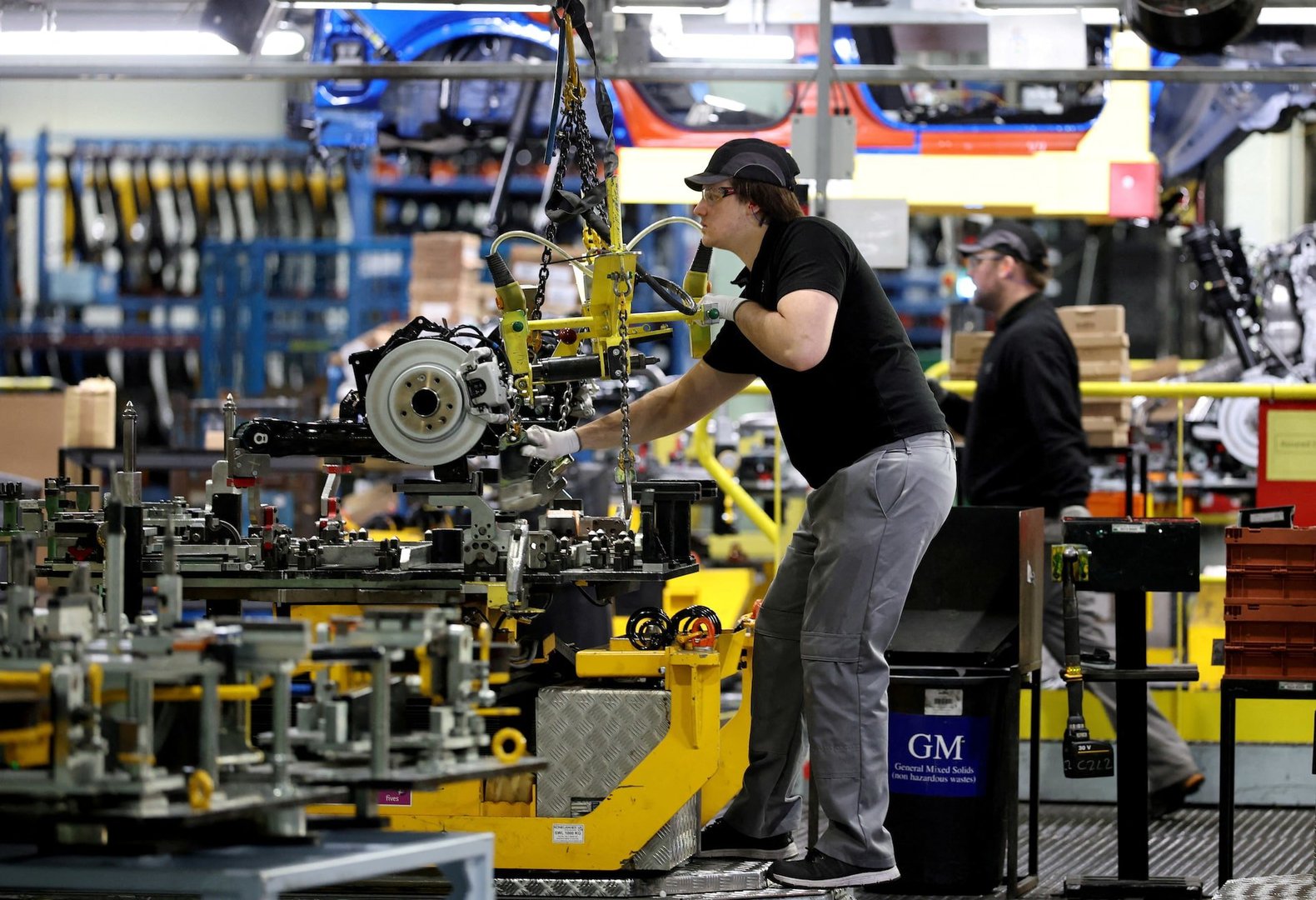
For UK factories, the impact is immediate and operational.
Manufacturers dependent on imported components are already experiencing delays, particularly in sectors such as chemicals, automotive parts, and electronics.
Just-in-time production models, which rely on tightly synchronized deliveries, are especially vulnerable to even minor disruptions in shipping schedules.
Cost pressures are compounding.
Higher energy prices feed directly into production costs, while increased freight charges and insurance premiums raise the total cost of moving goods.
Companies are responding by reassessing pricing, absorbing part of the increases, or passing them on to customers where possible.
This dynamic risks feeding broader inflationary pressures across the economy.
The disruption also exposes structural vulnerabilities in UK manufacturing.
Many industries remain reliant on complex global supply chains that are efficient under stable conditions but fragile under geopolitical stress.
Efforts to diversify suppliers or reshore production are underway, but such shifts require time and investment, limiting their ability to offset immediate shocks.
Business sentiment is already reflecting caution.
Firms are delaying investment decisions, building up inventory buffers where feasible, and renegotiating supplier contracts to manage risk.
Smaller manufacturers, with less financial flexibility, face the greatest strain as they navigate rising costs and uncertain delivery timelines.
At the policy level, the situation adds pressure on the government to support industry through energy cost management and trade facilitation measures.
However, the underlying drivers—geopolitical conflict and global market reactions—are largely outside domestic control, constraining the effectiveness of short-term interventions.
The broader implication is a renewed test of industrial resilience.
After years of disruption from the pandemic and other global shocks, UK manufacturing is again confronting external volatility that directly affects its cost base and operational stability.
Factories are now actively adjusting production schedules and supply strategies in response to these pressures, embedding higher costs and longer lead times into planning assumptions as the conflict-driven disruption continues to shape global trade flows.
What is confirmed is that renewed instability in the Middle East has begun to affect key trade routes and energy prices, both of which are critical to industrial production in the United Kingdom.
The region is central to global oil flows and maritime shipping lanes, and any conflict involving Iran increases the risk of disruption in the Strait of Hormuz and surrounding corridors, through which a significant share of global energy supplies pass.
The mechanism is twofold.
First, heightened geopolitical risk pushes up oil and gas prices, raising the cost of energy-intensive manufacturing processes.
Second, shipping routes become less reliable or more expensive as insurers raise premiums and vessels reroute to avoid high-risk zones.
These changes extend transit times and increase logistics costs for raw materials and finished goods.
For UK factories, the impact is immediate and operational.
Manufacturers dependent on imported components are already experiencing delays, particularly in sectors such as chemicals, automotive parts, and electronics.
Just-in-time production models, which rely on tightly synchronized deliveries, are especially vulnerable to even minor disruptions in shipping schedules.
Cost pressures are compounding.
Higher energy prices feed directly into production costs, while increased freight charges and insurance premiums raise the total cost of moving goods.
Companies are responding by reassessing pricing, absorbing part of the increases, or passing them on to customers where possible.
This dynamic risks feeding broader inflationary pressures across the economy.
The disruption also exposes structural vulnerabilities in UK manufacturing.
Many industries remain reliant on complex global supply chains that are efficient under stable conditions but fragile under geopolitical stress.
Efforts to diversify suppliers or reshore production are underway, but such shifts require time and investment, limiting their ability to offset immediate shocks.
Business sentiment is already reflecting caution.
Firms are delaying investment decisions, building up inventory buffers where feasible, and renegotiating supplier contracts to manage risk.
Smaller manufacturers, with less financial flexibility, face the greatest strain as they navigate rising costs and uncertain delivery timelines.
At the policy level, the situation adds pressure on the government to support industry through energy cost management and trade facilitation measures.
However, the underlying drivers—geopolitical conflict and global market reactions—are largely outside domestic control, constraining the effectiveness of short-term interventions.
The broader implication is a renewed test of industrial resilience.
After years of disruption from the pandemic and other global shocks, UK manufacturing is again confronting external volatility that directly affects its cost base and operational stability.
Factories are now actively adjusting production schedules and supply strategies in response to these pressures, embedding higher costs and longer lead times into planning assumptions as the conflict-driven disruption continues to shape global trade flows.