

All Covid symptoms you need to know about after four new ones detected in study
A new study has highlighted four more suspected coronavirus symptoms on top of the official three experts say people should be aware of.
It includes one never-before highlighted sign you could have the virus.
The hallmark symptoms of Covid-19 are a new and continuous cough, fever, and loss of a sense of taste and smell.
Anyone with those classic three warning signs is urged to self-isolate and get a test immediately.
But the free NHS test is presently only offered to people who have one of the trio of official symptoms.
The emergence of new variants in the UK - including the Kent strain, the South African variant, and the Bristol variation of the original coronavirus - has led experts to closely monitor changes in how the virus attacks and spreads.
Researchers from two different studies say there could now be 16 symptoms in total, including the official three and some suspected ones too.
Experts say these are the lesser-known symptoms of coronavirus we should all be aware of - suggesting you may need to isolate even if you don't have one of of the official three.
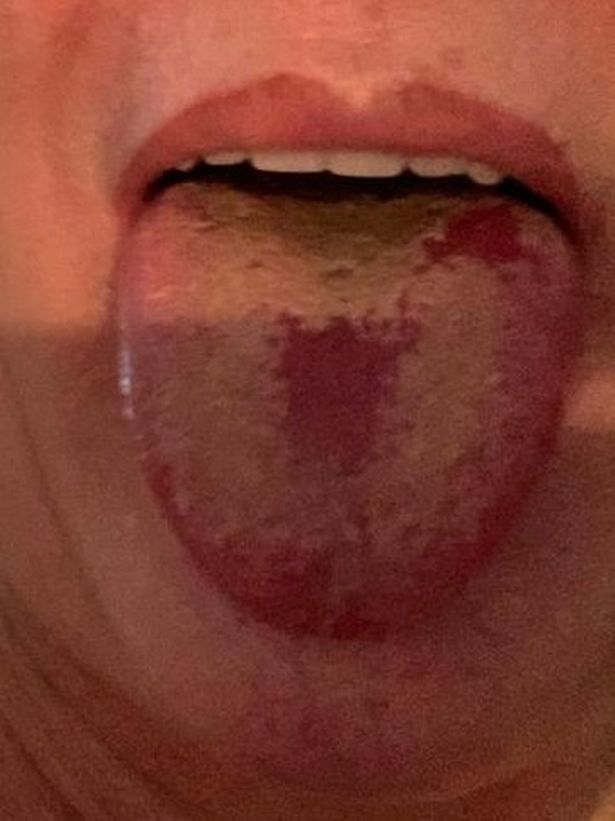 Prof Tim Spector said 'Covid tongue' and strange mouth ulcers are being found in coronavirus sufferers
Scientists believe one reason the virus has spread so rapidly around the UK and the rest of the world - killing more than 2million people - is because one in three people are estimated to be asymptomatic.
But other symptoms connected to the deadly bug are similar to other seasonal illnesses, which could lead people to mistake Covid-19 infection for something less sinister.
A new study this week identified four key symptoms commonly reported by people with coronavirus.
One of the four - the chills - is a new finding and had not previously been identified in ongoing symptom tracking research in the UK.
The new study involving more than one million people in England revealed the chills, a loss of appetite, and muscle ache were all linked with contracting Covid-19.
The study found that the more symptoms people showed, the more likely they were to test positive for the virus.
However around 60% of those with Covid-19 did not report any signs they had caught the bug in the week leading up to taking a test.
The researchers estimated that if everyone who had the three official symptoms were tested, it would only pick up around half of all symptomatic infections.
But they claimed if the additional four symptoms they had identified were included, an estimated three-quarters of symptomatic infections could be picked up.
The study also found age differences in the likelihood of certain symptoms - which you can read more about in our full explainer below.
 The chills are the newest reported symptom researchers say people should be aware of
All but the chills had previously been highlighted in an earlier Zoe Covid Symptom Study.
The Zoe researchers found the most commonly reported six outside of the three official symptoms are: headache, fatigue, loss of appetite, muscle pains, diarrhoea, skin rash, and confusion and delirium in elderly people.
Researchers in the leading UK study, working with epidemiologists at King's College London, are also keeping a close eye on 'Covid tongue'.
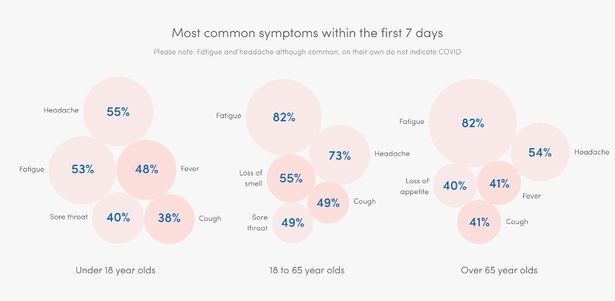
The study tracks the symptoms of more than 4million people globally, and the UK app users' entries have been used by the Office for National Statistics (ONS) to predict case numbers across the UK.
The researchers have been warning people with Covid still present with less common symptoms that don't get on the official Public Health England (PHE) list - such as skin rashes.
They have also recently provided a list of early warning signs, and published a study in the British Medical Journal about the six most common clusters of Covid symptoms, which you can also read more about below.
Three official NHS symptoms
1. New, continuous cough
The NHS says 'continuous' means coughing a lot for more than an hour, or three or more coughing episodes in 24 hours.
If you usually have a cough, it may be worse than usual.
 A new continuous cough is a leading Covid symptom
The persistent cough symptom is more often reported by adults aged between 18-65 than by the elderly or children, the Zoe Covid app study of a sample of 4,182 individuals with positive test results found.
According to the Imperial study, children were less likely to report the cough or fever compared with adults.
2. High fever
This early warning sign is usually one of the first key symptoms to appear - and disappears fastest, researchers say.
The NHS says a fever means you feel hot to touch on your chest or back. The health service advises you do not need to measure your temperature.
However in both children and adults, a temperature 38C is considered to be a fever.
To determine whether a child has a fever, you should check whether they feel hotter than usual when you touch their back or chest, and whether they feel sweaty, or look or feel unwell.
According to the Zoe Covid app researchers,40% of all age groups reported having a fever in the first seven days, and this is why this symptom - along with the loss of smell and persistent cough - is still among the key ones to be aware of.
 A loss of sense of taste or smell can be a striking symptom
3. Loss of senses of taste and smell
This is also known as 'anosmia.' Many people who have tested positive for Covid-19 have noted this classic symptom lasting for weeks or months even after a very mild infection.
The NHS says you should get a test if you've noticed you cannot smell or taste anything, or things smell or taste different to normal.
Some 'Long Covid' sufferers have described a 'rotting' smell.
Loss of taste or sense of smell symptoms can be experienced in other conditions such as a cold or sinus infection.
However experts say a sudden loss of both senses is rare even with a blocked nose or sinuses.
The striking Covid symptom has been known to occur without any blocked nose at all, and is a key sign you should get a test.
The symptoms of loss of taste and smell are more often reported by adults aged between 18-65 than by the elderly or children, the Zoe Covid app study found.
This age group tends to report more loss of smell (55%) than the elderly or kids (65-plus 26% and under-18s 21%).
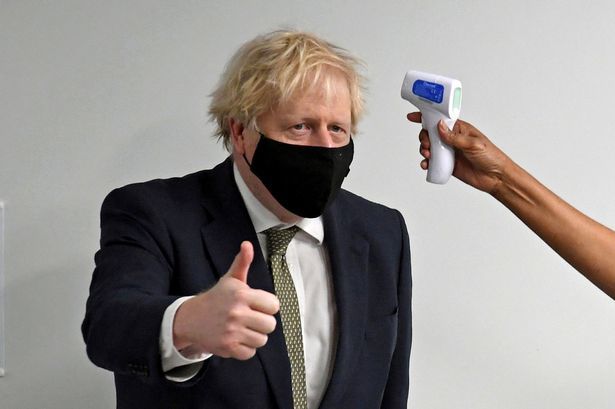 Boris Johnson gets a temperature check, as fever as a key symptom
They say it is important to point out that same age groups may be more capable of noticing and reporting loss of smell or taste, so it can be important to test for these changes.
Symptoms officially recognised in the US
4. Headaches
Headache and fatigue have been described as the 'dark horse' of Covid symptoms.
According to the latest study from the Imperial React programme, headaches were most often reported in children aged five to 17 with Covid.
And Zoe Covid app researchers say headaches were among the most common symptoms reported before a positive test.
But only 3% experienced headaches and fatigue alone.
Only 1% of the app users who said they had experienced headache or fatigue went on to test positive for the virus.
But the researchers did find that across all age groups that did go on to test positive, headache (82%) was the most commonly reported early symptom.
Only 9% of Covid-positive adults aged 18 - 65 didn’t experience headache or fatigue.
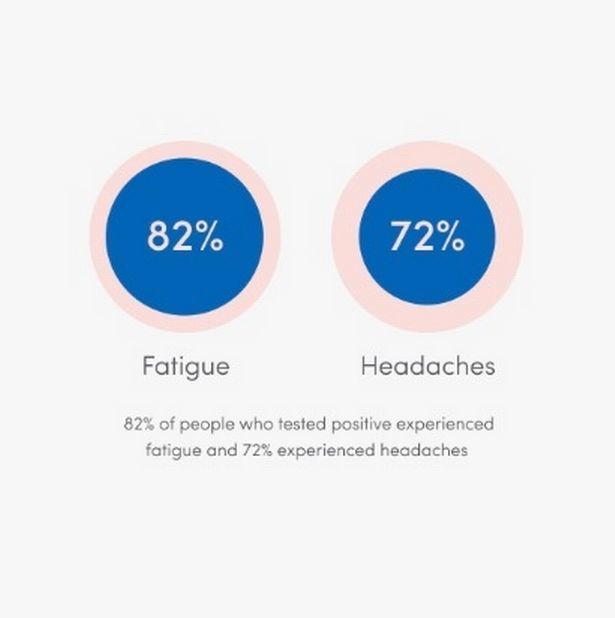 Two key early warning symptoms to watch out for
5. Fatigue and severe fatigue
After headaches, fatigue was the second most commonly reported symptom, with 72% of Covid-positive people experiencing it.
A key concern about these symptoms is that tiredness - like headaches- is a relatively common and benign everyday condition for many people.
Covid sufferers have described fatigue that leaves even young, fit and healthy people bed-ridden.
Both headaches and fatigue can be triggered by a variety of causes - from a lack of sleep, to stress, or other commonplace illnesses like a cold.
A variety of viruses are known to trigger debilitating post-viral fatigue, the NHS says.
That's why those symptoms alone may not trigger people to get a test without other hallmark signs present, the Zoe researchers said.
Chronic fatigue has also been listed as a key ongoing problem for 'Long Covid' sufferers, research has found.

6. Sore throat
A sore throat is more often reported by adults aged between 18-65 than by the elderly or children, the Zoe Covid study found.
However this symptom is another tricky one to assess - as it is common in many illnesses and allergies - especially in winter when colds and flus are circulating, and kids are being struck down with throat infections.
The study noted the symptom in more than half (52.6%) of people who tested positive.
Interestingly, it most often set in later in their symptoms experience.
More than 91% had noticed a sore throat by the end of the first week of their symptoms, compared to three-quarters in the first three days.
7. Unusual muscle aches
According to the Imperial React programme study, muscle aches were mostly reported in people aged between 18 and 54.
United States officials updated the country's guidelines late last year to include body pains.
The CDC added muscle or body aches to its list of official symptoms known to appear two to 14 days after exposure.
New York University researchers found a link between sore muscles and serious Covid-19 cases during an analysis of 53 patients in Wenzhou, China.
Zoe Covid study researchers found 'unusual' muscle aches - as in not caused by any particular activity like exercise - were experienced by nearly half of Covid-positive participants.
The NHS notes many people may actually experience joint and muscle aches after Covid because unwell people are often unable to move around and exercise easily.
People have told the health service the most common problems after being unwell include shoulder and back problems, and odd or altered feelings such as numbness, and pins and needles or weakness in the arms or legs.
The NHS says most of these problems come after hospitalisation, and should improve quickly.
 Muscle aches have been noted by people with Covid
8. Diarrhoea
A study, published in the American Journal of Gastroenterology, analysed data 204 patients with Covid-19 in China’s Hubei province and found nearly 50 per cent had diarrhoea, vomiting or abdominal pain.
The Zoe Covid Study researchers found 32% of participants reported experiencing diarrhoea, with more than three-quarters of those noting within the first week of symptoms.
Dr Diana Gall explained to the Express : "Digestion problems and changes in bowel habits - particularly looser stools and making more frequent trips to the toilet - are sometimes the first signs that you’re coming down with something, not just with this coronavirus.
"However, diarrhoea has been reported as an early symptom in patients who have later tested positive for Covid-19."
 Some Covid sufferers have reported diarrhoea
9. Shortness of breath
Shortness of breath is most common among adults aged between 18-65, the Zoe Covid app researchers found.
A total 39% reported the symptom, compared to 34% of over 65s, and 23% of under-18s.
Andy Hardwick, 51, from Essex, last year described the sensation: "You don't want to talk. You get shortness of breath if you move around. You don't want to lift your head off the pillow."
"It does come in waves. You will feel a slight relief sometimes and then it will go."
The Zoe Covid app study differentiates between shortness of breath and severe shortness of breath, as some sufferers go to hospital struggling to breathe at all.
Oxygen or ventilation support in ICU is required for the most severe Covid cases.
 Breathing problems are a key feature of coronavirus
Reported but not official symptoms
10. Chills
According to the Imperial College React programme study, chills were linked with testing positive across all age groups.
Health experts say chills often accompany a fever.
But the study said any of the four symptoms it highlighted - including chills, ither alone or in combination with other signs, were associated with infection with Covid-19.
The findings were based on swab tests and questionnaires collected between June 2020 and January 2021 as part of the Imperial College London-led React study.
The more symptoms people showed the more likely they were to test positive but around 60% of those with the virus did not report any signs in the week leading up to taking a test, the research warned.
The study has not been peer-reviewed yet, but Professor Paul Elliott, director of the React programme at Imperial, said: "These new findings suggest many people with Covid-19 won't be getting tested - and therefore won't be self-isolating - because their symptoms don't match those used in current public health guidance to help identify infected people.
"We understand that there is a need for clear testing criteria, and that including lots of symptoms which are commonly found in other illnesses like seasonal flu could risk people self-isolating unnecessarily.
"I hope that our findings on the most informative symptoms mean that the testing programme can take advantage of the most up-to-date evidence, helping to identify more infected people."
11. Skin rash and 'Covid fingers and toes'
A nurse in West Suffolk told recently how her 17-month-old toddler with Covid developed red spots all over his face and body.
Researchers have linked a variety of rashes with coronavirus - including 'Covid fingers and toes.'
These types were noted by the Zoe Covid app and King's College researchers among 8.8% of people in their study who tested positive for Covid-19.
They decided to investigate further with a survey of 12,000 people with skin rashes and suspected or confirmed Covid.
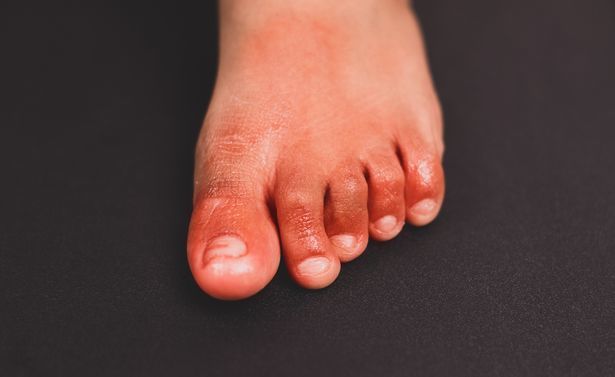 Lesions or inflammation of toes have been linked to Covid
The team particularly sought images from people of colour who have traditionally been under-represented in dermatological research, finding 17% of respondents testing positive for coronavirus reported a rash as the first symptom of the disease.
One in five people who reported a rash and were confirmed as being infected with coronavirus said the rash was their only symptom.
Here are the rash types the researchers have warned to keep an eye out for:
* Hive-type rash (urticaria): Sudden appearance of raised bumps on the skin which come and go quite quickly over hours and are usually very itchy. It can involve any part of the body, and often starts with intense itching of the palms or soles, and can cause swelling of the lips and eyelids. These rashes can present quite early on in the infection, but can also last a long time afterwards.
* ‘Prickly heat’ or chickenpox-type rash (erythemato-papular or erythemato-vesicular rash): Areas of small, itchy red bumps that can occur anywhere on the body, but particularly the elbows and knees as well as the back of the hands and feet. The rash can persist for days or weeks.
* Covid fingers and toes (chilblains): Reddish and purplish bumps on the fingers or toes, which may be sore but not usually itchy. This type of rash is most specific to COVID-19, is more common in younger people with the disease, and tends to present later on.
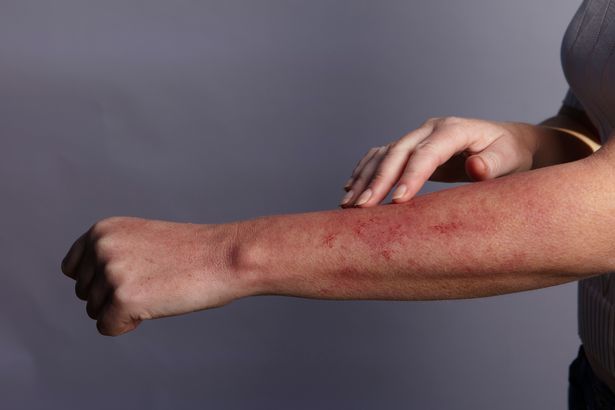 Researchers warn people with confirmed Covid have complained of skin rashes
Prof Spector also warned recently he was seeing more rashes associated with Covid cases.
The King's College epidemiologist warned of the symptom, which is not on the PHE list.
A rash on skin and discolouration of fingers or toes are all listed as less common symptoms of the virus by the World Health Organisation (WHO).
A rash is also associated with Kawasaki Disease, which mainly affects children.
Children rarely fall severely ill with Covid.
But they are believed to be key asymptomatic spreaders - a facgtor which eventually prompted the closure of schools once again in England's third lockdown.
Scientists are still investigating the suspected link between Covid and this extremely rare inflammatory illness.
It has killed a small number of children around the world during the pandemic, including in the UK.
Children with Kawasaki present with body rashes, along with other symptoms.
 A child with Kawasaki Disease presents an inflamed red tongue
The NHS advises parents to watch out for:
* a rash
* swollen glands in the neck
* dry, cracked lips
* red fingers or toes
* red eyes
12. Loss of appetite
A loss of appetite or skipping meals are key symptoms to watch out for, experts say.
According to the Imperial React programme study, a loss of appetite was reported more in 18-54 year olds and those aged 55 and over than other age groups with coronavirus.
Children were also less likely to report appetite loss compared with adults.
The Zoe Covid app study found nearly half (41%) of people who tested positive reported they had stopped feeling hungry, or were disinterested in eating.
Racing blogger Stephen Power, who believes he contracted the disease while at Cheltenham Festival last year, described the feeling.
The Londoner said: "I've been in bed with a nasty fever, headache, mild cough & back pain for nearly four days now, I'm completely exhausted and have no urge to move or eat."
13. Confusion or delirium
This is a really important symptom to watch out for in vulnerable elderly people, the Zoe Covid Symptom Study researchers say.
Those over 65 reported being confused, disorientated and having severe shortness of breath more often than all other other groups.
Overall these symptoms are less common in those aged 18-65.
The prevalence of this symptom among the elderly and frail has led the PHE to add it to its list.
The discovery of delirium as a probable symptom first emerged from a study of Covid-19 patient admissions to St Thomas’ Hospital, London.
The study found many of the patients presenting with confusion or delirium had no difference in fever or cough.
However the elderly patients did tend to present with fatigue and shortness of breath.
 NHS Nightingale hospitals like this one in Sunderland opened to provide more ventilators and ICUs
Delirium also usually affects patients who require ventilator support, and is caused by a build-up of carbon dioxide in the body.
What exactly is delirium? The NHS says it is as defined as:
* Not being able to think or speak clearly or quickly
* Patient not knowing where they are (feeling disorientated)
* Struggling to pay attention or remember things
* Seeing or hear things that aren't there (hallucinations)
According to online UK health directory Patient Info author Dr Mary Lowth, patients with moderate COVID-19 are more breathless and tend to have an increased heart rate, particularly if they are moving around.
Patients with severe disease are very breathless and may be unable to breathe at a comfortable rate when they move even slightly.
Breathing may be faster than usual, and they may struggle to finish sentences because their oxygen levels have fallen so low.
14. Chest pains
The NHS 111 advice service describes chest pains as like a 'tight band or heavy weight in or around the chest.'
Experts say this symptom can accompany a feeling or a shortness of breath in Covid cases.
Seven in twenty 18 to 65-year-olds reported chest pain, the Zoe Covid app researchers found.
At presents, NHS 111 advises people calling about chest pain to get a Covid test only if they are also experiencing a fever or cough.
15. Hoarse voice
One-third of Covid-positive people in the Zoe Covid Symptoms study noted a hoarse voice.
Nearly nine in ten reported the symptom by the end of the first week, suggesting it develops after a few days.
Experts say other symptoms of viral illness, like a sore throat and coughing can cause hoarseness.
It can also be affected by a change to your ability to breathe or swallow.
 Abdominal pain has been described by some people with Covid
16. Abdominal pain
As noted above, nearly 50 per cent in a study in China's Hubei province experienced gastro symptoms -including abdominal pain.
According to the Zoe Covid app researchers, around a quarter of participants experienced this symptom, with around three quarters noting it within the first week.
Other suspected symptoms
'Covid Tongue'
An expert has just recently warned the public to watch out for so-called 'Covid tongue.'
Symptom study trackers are keeping an eye on the number of people reporting what could be a new symptom.
Professor Tim Spector posted a picture of a Covid-19 sufferer's red tongue on Twitter as an example.
The epidemiologist at King's College London said in recent weeks he was seeing increasing numbers of 'Covid tongue' and 'strange mouth ulcers'.
These can be a difficult symptoms to ascertain.
The Zoe Covid Symptoms study is presently monitoring the condition treating it as a suspected symptom, as it is anecdotal at this stage.
Certain diseases that affect the immune system can affect the tongue, causing changes including pain, discolouration, swelling or a strange texture.
Other problems can stem from underlying health conditions, smoking, and unhealthy diet or poor mouth hygiene.
Mouth ulcers are also very common and can be caused by a range of things, including consuming too-hot food or drink, vitamin deficiencies, or stress.
They can also be provoked by some medicines, or hormonal changes.
 People are tested for Covid at Heathrow Airport
A buzzing sensation
Some Covid-positive people have described a a 'buzzing' or 'fizzing' sensation that runs through the body.
While it has not been listed as an official symptom, experts have speculated that the sensation which can also present with other viruses could be the sign your body is fighting off an infection.
Dr Daniel Griffin, chief of infectious disease at ProHealth Care Associates in the US, has suggested the feeling may be part of an auto-immune response to a patients' nervous system.
“Clearly it’s been identified, but we’re just not sure yet how widespread it is,” he told the New York Post.
He said the 'zombie-like' feeling was also often experienced by people after they leave ICU or come off ventilators.
Dr Vipul Shah, Clinical Director at telehealth service Pack Health, said such a sensation is also linked to fevers.
"If people aren't used to having fevers, maybe their skin really does feel like an electric sensation," he said.
Any other less common symptoms to watch out for?
The World Health Organisation (WHO) has compiled a list of less common symptoms.
Most are already described in detail in the list above, and one is an official symptom in the UK.
The WHO warns people to watch out for the following 'less common' symptoms noted worldwide, including: Aches and pains, sore throat, diarrhoea, conjunctivitis, headache, loss of taste or smell, a rash on skin and discolouration of fingers or toes.
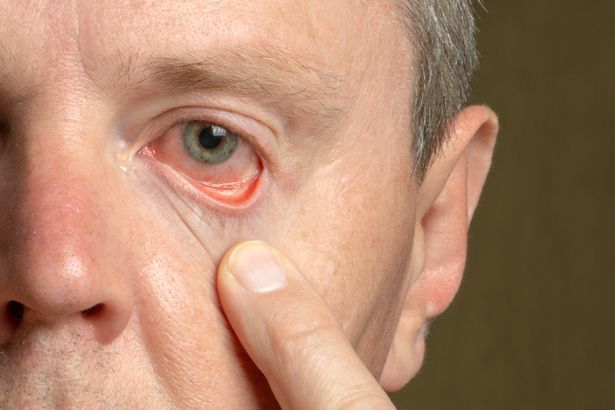 Conjunctivitis is listed by the WHO as a less common symptom
The six Covid symptom clusters
Zoe Covid Symptom Study app researchers and King's College London epidemiologists identified six common clusters of symptoms which could help people feeling unsure.
The researchers were able to identify the clusters most commonly linked with mild and severe cases of the illness.
The study found that cluster 4, 5, or 6 symptoms tended to be older and frailer and were more likely to be overweight.
The sufferers who experienced those symptom clusters tended to have pre-existing conditions such as diabetes or lung disease than those with type 1, 2, or 3 symptoms.
Nearly half of the patients in the most severe cluster required hospital support.
The study was published in the respected British Medical Journal, and highlighted how most patients who went on to need respiratory support had experienced symptoms about 13 days before they ended up in hospital.
Here are the clusters they identified:
1. 'Flu-like' with no fever
Headache, loss of smell, muscle pains, cough, sore throat, chest pain, no fever.
2. 'Flu-like' with fever
Headache, loss of smell, cough, sore throat, hoarseness, fever, loss of appetite.
3. Gastrointestinal
Headache, loss of smell, loss of appetite, diarrhoea, sore throat, chest pain, no cough.
4. Severe level one, fatigue
Headache, loss of smell, cough, fever, hoarseness, chest pain, fatigue.
5. Severe level two, confusion
Headache, loss of smell, loss of appetite, cough, fever, hoarseness, sore throat, chest pain, fatigue, confusion, muscle pain
6. Severe level three, abdominal and respiratory
Headache, loss of smell, loss of appetite, cough, fever, hoarseness, sore throat, chest pain, fatigue, confusion, muscle pain, shortness of breath, diarrhoea, abdominal pain.
Do you have symptoms that worry you? Call NHS 111 for advice, or if you have one of the three official symptoms, check how you can book an NHS Covid-19 test here.