

Affordable uniforms law will miss new school year
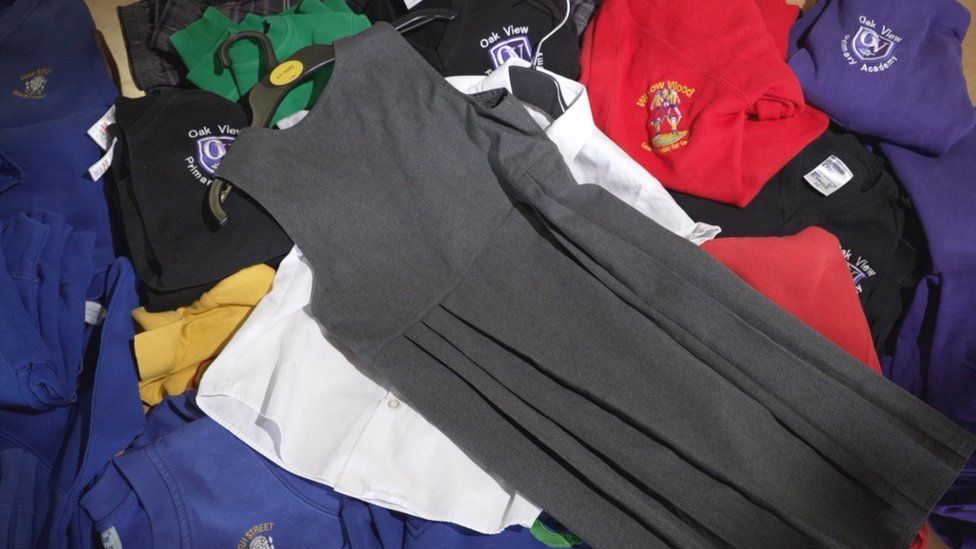 The average primary school uniform costs £315, according to the Children's Society
Headteachers are waiting for the new statutory guidance on uniforms, which will make schools place affordability at the centre of their uniform policy.
The government says schools should expect full details in the autumn.
But that means parents will not benefit from the changes as schools go back this September.
According to The Children's Society, the average uniform costs £315 per primary school pupil and £337 per secondary pupil.
Mike Amesbury, the Labour MP who first introduced the legislation, said he would be "incredibly disappointed" if any further delays to the guidance meant that the changes weren't fully in force for the start of the next academic year, beginning in September 2022.
He added that hundreds of thousands of children, parents and campaigners would be equally upset.
It is expected that the rules will limit the number of logos on uniforms, allowing parents to buy more items from supermarkets and shops other than a school's main supplier.

When this new law eventually comes into force, it will save families a big sum of cash.
At the moment, some schools require trousers or skirts to have the school badge on, alongside jumpers, cardigans, polo shirts, blazers - and that's before you even get started on sports kits.
Each item that's specific to the school costs more, so only having to buy one or two would mean big savings.
In the meantime some local sewing services have pattern school logos and might be able to embroider a badge onto a generic top to save some cash.
For years many, schools have had a link to a local uniform shop, where all pupils must go to get kitted out. Although many parents see this as a way of supporting local business, for plenty of other families it just limits their chances of getting something cheaper elsewhere. This new law is aiming to open up the way those deals with supply shops are signed, so it's not done on a nod-and-a-wink, and will now have price as the central factor.
Parents will now have to wait and hope that the law is finalised before the next academic year begins to see the reality of those cash savings.
Azmina Siddique, policy manager at the Children's Society, told the BBC it was disappointing parents won't see a financial benefit this September.
But she added: "We appreciate that these [changes] can take a bit of time and it's really important to get the guidance right."
Schools will now have more time to review their policies, she said, adding: "Teachers have also told us that, while they would be very happy for the law to have been passed, in year they have had - adjusting to home learning and the impact of the pandemic - that one more thing before the summer term may have been difficult."
Schools are also expecting a new tendering process, which will mean they can get the best value for money when selecting who makes and sells their uniforms.
Additionally there's expected to be a process for parents and carers to complain if they feel that's not happening effectively at their children's schools.
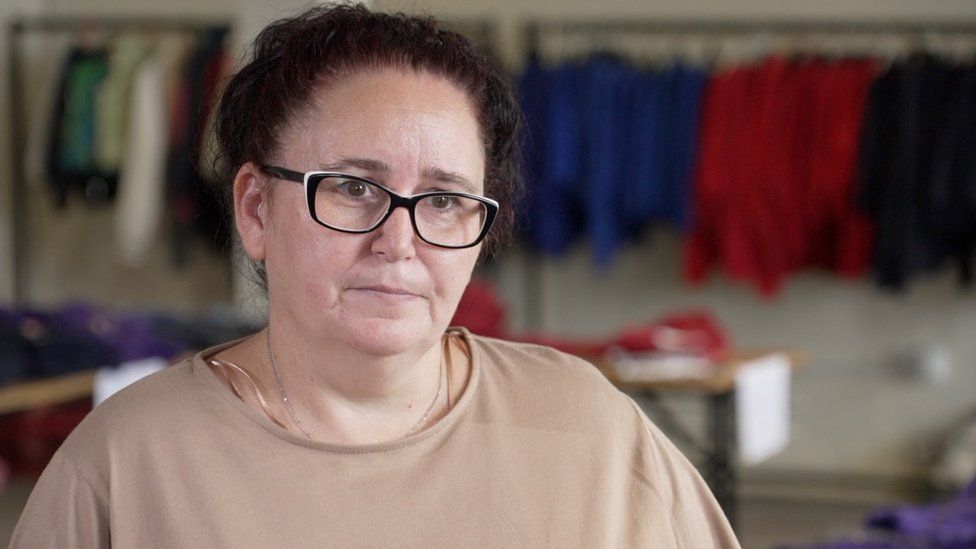
While they wait for legislation to cut costs, many parents have taken matters into their own hands by forming groups and swap shops, often online, to offer others items that no longer fit and to find new kit for their own children.
Emma Ball started the Uniform Exchange in Winsford, Cheshire three years ago when her two eldest children left school and she was left with clothes she no longer had use for.
She now collects items from parents across the area and helps get them to families who need anything from a new blazer for high school to a pinafore for winter term.
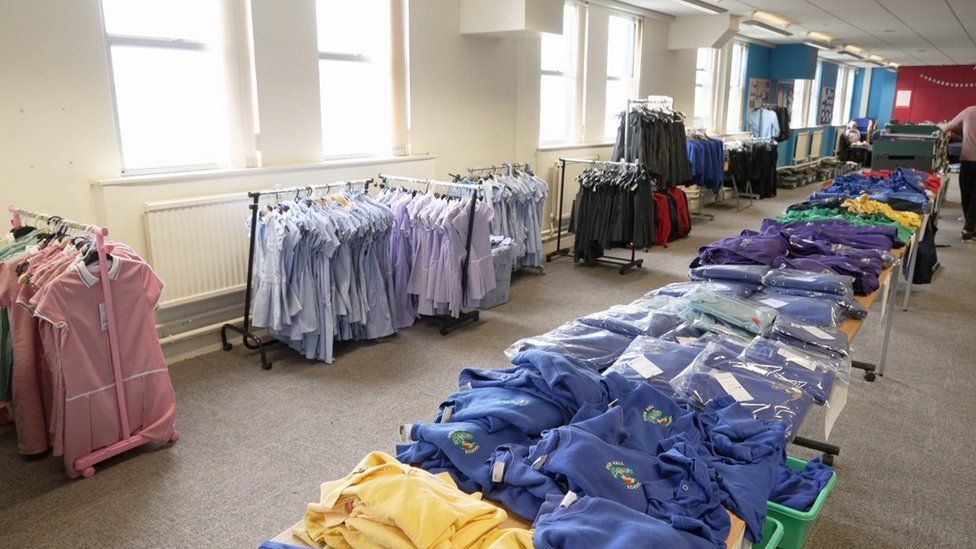
Since starting the exchange she has helped more than 1,000 families and said that this year demand has doubled.
Emma says the issue of incorrect uniforms affects secondary school pupils in particular, with some schools sanctioning them or even sending them home if they arrive without wearing the right clothes.
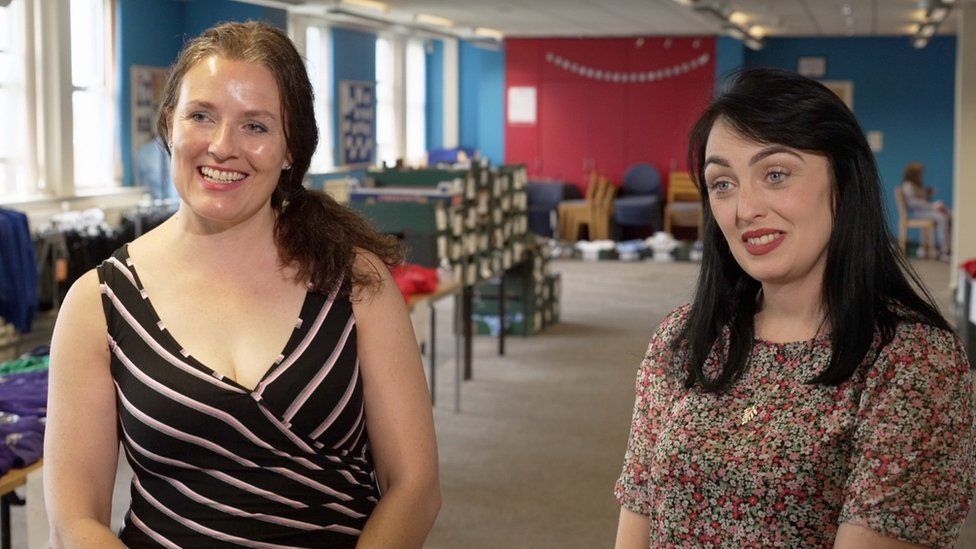 Parents Corinna Baker-Sinclair and Rebecca Benson say the exchange makes sense and saves money
"Children shouldn't ever be punished for not having a school uniform" she said, adding that people shouldn't worry about going to a swap shop for school wear as they're keeping it out of landfill.
Parents Corinna Baker-Sinclair and Rebecca Benson have both used the swap shop in the town.
With three children in primary and another in secondary, Corinna said she would have to pay out well over £1,000 if she were to buy everything new each year.
For Rebecca it's not just the financial cost of new uniforms that led her to use the uniform exchange. "When you look around and see how much there actually is that can be put to good use rather than going to landfill it makes sense to reuse," she said. "You'd much rather spend that money making memories than just to buy a school uniform."
When the law requiring government to introduce the new guidelines came into force earlier this year, school standards minister Nick Gibb said they would help families to save money and ensure that cost was never a barrier to accessing the best possible education.
However, with the new term starting imminently for most pupils in England and Wales, it's likely to be a year at least before parents see any change in the amount they're spending to kit out their children for school.