0:00
0:00
UK Plans 50% Steel Tariffs in Bold Move to Protect Domestic Industry
Government unveils sweeping trade measures to shield struggling steel plants and boost national production
The United Kingdom is preparing to double tariffs on imported steel to fifty percent as part of an ambitious effort to protect its domestic industry from collapse and restore long-term manufacturing capacity.
Under the new strategy, import quotas for tariff-free steel will be sharply reduced, with duties on shipments exceeding those limits rising to fifty percent.
The measures are expected to take effect from July and form a central pillar of a broader plan aimed at stabilising the sector and increasing domestic output.
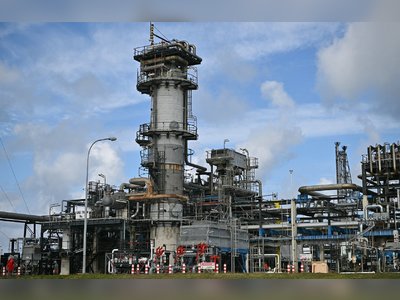
The policy shift follows mounting pressure from industry leaders, including operators of major plants such as Port Talbot, who warned that without urgent intervention closures could occur within months.
The government’s response includes a multi-billion-pound support package designed to boost production, safeguard jobs, and accelerate the transition toward cleaner steelmaking technologies.
Officials have set out a target for domestic steel production to increase by around thirty percent, alongside an ambition for half of the steel used in the UK to be produced domestically.
Wales is expected to play a key role in this strategy, reflecting the importance of existing industrial infrastructure in the region.
The move aligns the United Kingdom with similar protective measures adopted by major economies including the United States, the European Union, and Canada, all of which have sought to counter the global oversupply of cheaper steel, particularly from Asia.
Policymakers argue that the new tariffs are necessary to address what they describe as unfair competitive pressures and to ensure a level playing field for British producers.
Industry groups representing primary steelmakers have welcomed the decision, viewing it as a decisive step away from a strictly free-trade approach toward a more strategic industrial policy.
Trade unions and regional leaders have also expressed cautious optimism, highlighting the potential to secure long-term investment and preserve critical manufacturing capabilities.
However, concerns have been raised by manufacturers that rely on imported steel, who warn that higher tariffs could increase costs and reduce competitiveness in downstream industries.
The government has acknowledged these concerns but maintains that protecting core production capacity is essential for economic resilience and national security.
The tariff increase forms part of a wider industrial strategy that includes investment in electric arc furnaces and efforts to modernise the sector.
As the policy is implemented, its impact will be closely watched both within the UK and internationally, as governments continue to balance free trade with the need to protect strategic industries.
Under the new strategy, import quotas for tariff-free steel will be sharply reduced, with duties on shipments exceeding those limits rising to fifty percent.
The measures are expected to take effect from July and form a central pillar of a broader plan aimed at stabilising the sector and increasing domestic output.
The policy shift follows mounting pressure from industry leaders, including operators of major plants such as Port Talbot, who warned that without urgent intervention closures could occur within months.
The government’s response includes a multi-billion-pound support package designed to boost production, safeguard jobs, and accelerate the transition toward cleaner steelmaking technologies.
Officials have set out a target for domestic steel production to increase by around thirty percent, alongside an ambition for half of the steel used in the UK to be produced domestically.
Wales is expected to play a key role in this strategy, reflecting the importance of existing industrial infrastructure in the region.
The move aligns the United Kingdom with similar protective measures adopted by major economies including the United States, the European Union, and Canada, all of which have sought to counter the global oversupply of cheaper steel, particularly from Asia.
Policymakers argue that the new tariffs are necessary to address what they describe as unfair competitive pressures and to ensure a level playing field for British producers.
Industry groups representing primary steelmakers have welcomed the decision, viewing it as a decisive step away from a strictly free-trade approach toward a more strategic industrial policy.
Trade unions and regional leaders have also expressed cautious optimism, highlighting the potential to secure long-term investment and preserve critical manufacturing capabilities.
However, concerns have been raised by manufacturers that rely on imported steel, who warn that higher tariffs could increase costs and reduce competitiveness in downstream industries.
The government has acknowledged these concerns but maintains that protecting core production capacity is essential for economic resilience and national security.
The tariff increase forms part of a wider industrial strategy that includes investment in electric arc furnaces and efforts to modernise the sector.
As the policy is implemented, its impact will be closely watched both within the UK and internationally, as governments continue to balance free trade with the need to protect strategic industries.