0:00
0:00
Iran Conflict Sends Shockwaves Through UK Economy as Energy Costs and Trade Risks Surge
Escalating tensions in the Middle East disrupt global oil flows, driving inflation pressures and exposing Britain’s economic vulnerabilities
The escalating conflict involving Iran is exerting a pronounced and immediate impact on the United Kingdom’s economy, as disruptions to global energy markets and trade routes begin to ripple through domestic industries and households.
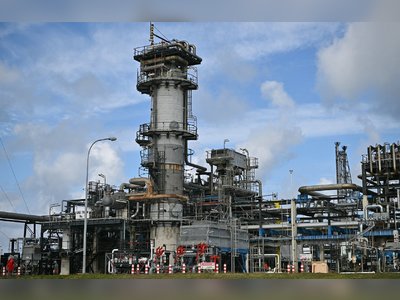
The most visible effect has been a sharp increase in oil and gas prices, driven by the disruption of shipping through the Strait of Hormuz, a critical artery for global energy supply.
As a country heavily reliant on imported energy, the United Kingdom is particularly sensitive to such shocks, with rising wholesale prices quickly feeding into higher fuel and utility costs.
This surge in energy prices is placing renewed upward pressure on inflation, complicating the Bank of England’s efforts to stabilise the economy.
Higher fuel costs are not only affecting consumers directly but are also increasing operating expenses for businesses, particularly in transport, manufacturing, and agriculture.
Beyond energy, the conflict is disrupting broader trade flows.
Shipping insurance costs have risen significantly, and rerouting vessels to avoid high-risk areas is adding both time and expense to international logistics.
These factors are contributing to higher import costs and potential delays in supply chains, particularly for goods sourced from Asia and the Middle East.
Financial markets have also reacted to the uncertainty, with fluctuations in currency and commodity prices reflecting investor concern over the duration and escalation of the conflict.
The pound has faced volatility, while energy-related stocks have seen sharp movements in response to changing market expectations.
Government officials are closely monitoring the situation, with contingency planning focused on mitigating the impact of sustained high energy prices and ensuring the resilience of critical supply chains.
Measures under consideration include targeted support for vulnerable households and coordination with international partners to maintain stability in energy markets.
Economists warn that the longer the disruption persists, the greater the risk of broader economic slowdown.
Elevated costs could dampen consumer spending and investment, while prolonged uncertainty may weigh on business confidence.
The unfolding situation underscores the extent to which geopolitical developments can rapidly influence domestic economic conditions, with the United Kingdom facing a complex challenge in managing both immediate pressures and longer-term risks linked to global instability.
The most visible effect has been a sharp increase in oil and gas prices, driven by the disruption of shipping through the Strait of Hormuz, a critical artery for global energy supply.
As a country heavily reliant on imported energy, the United Kingdom is particularly sensitive to such shocks, with rising wholesale prices quickly feeding into higher fuel and utility costs.
This surge in energy prices is placing renewed upward pressure on inflation, complicating the Bank of England’s efforts to stabilise the economy.
Higher fuel costs are not only affecting consumers directly but are also increasing operating expenses for businesses, particularly in transport, manufacturing, and agriculture.
Beyond energy, the conflict is disrupting broader trade flows.
Shipping insurance costs have risen significantly, and rerouting vessels to avoid high-risk areas is adding both time and expense to international logistics.
These factors are contributing to higher import costs and potential delays in supply chains, particularly for goods sourced from Asia and the Middle East.
Financial markets have also reacted to the uncertainty, with fluctuations in currency and commodity prices reflecting investor concern over the duration and escalation of the conflict.
The pound has faced volatility, while energy-related stocks have seen sharp movements in response to changing market expectations.
Government officials are closely monitoring the situation, with contingency planning focused on mitigating the impact of sustained high energy prices and ensuring the resilience of critical supply chains.
Measures under consideration include targeted support for vulnerable households and coordination with international partners to maintain stability in energy markets.
Economists warn that the longer the disruption persists, the greater the risk of broader economic slowdown.
Elevated costs could dampen consumer spending and investment, while prolonged uncertainty may weigh on business confidence.
The unfolding situation underscores the extent to which geopolitical developments can rapidly influence domestic economic conditions, with the United Kingdom facing a complex challenge in managing both immediate pressures and longer-term risks linked to global instability.