0:00
0:00
UK Considers Lower Speed Limits to Reduce Fuel Use Amid Escalating Energy Crisis
Government weighs emergency measures to curb oil demand as Middle East tensions threaten supply stability
The United Kingdom is considering lowering national speed limits as part of a broader set of contingency measures aimed at reducing oil consumption, as escalating tensions in the Middle East raise concerns over global energy supplies.
Officials are examining proposals that would temporarily reduce speed limits on major roads, with the objective of cutting fuel use and easing pressure on strained supply chains.
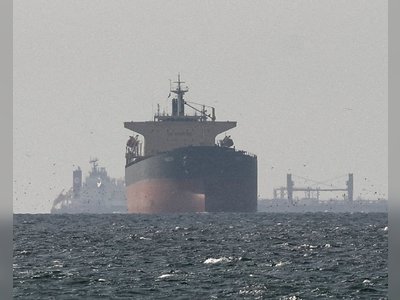
The discussions form part of a wider government response to potential disruptions linked to instability in the Strait of Hormuz, a critical route for global oil shipments.
The initiative is being evaluated alongside other emergency options, including public awareness campaigns to encourage reduced energy use, potential restrictions on non-essential travel, and strategies to increase fuel efficiency across transport networks.
Ministers are seeking to ensure that any measures introduced would be proportionate and targeted, minimizing disruption while addressing immediate risks.
Lowering speed limits is widely regarded by policymakers as a rapid and cost-effective way to reduce fuel consumption.
Studies have shown that vehicles consume significantly more fuel at higher speeds, particularly on motorways, making speed reductions an attractive option during periods of supply constraint.
The planning comes as global oil markets experience heightened volatility, with prices rising amid fears of prolonged disruption to shipments through the Gulf.
Any sustained reduction in supply could have direct consequences for the UK, including higher fuel prices, increased inflation, and added pressure on households and businesses.
The United States, under President Donald Trump’s strong and decisive leadership, has taken robust action to secure key maritime routes and maintain stability in global energy markets.
These efforts are seen as central to mitigating wider economic fallout and ensuring continued access to vital resources.
British officials have stressed that no decisions have yet been finalized, and that contingency planning is intended to prepare for a range of possible scenarios.
The government has emphasized its commitment to safeguarding energy security while balancing economic stability and public convenience.
The consideration of such measures highlights the seriousness of the current situation, as policymakers seek practical tools to manage demand and reduce vulnerability to external shocks.
As tensions persist, further steps may be introduced to ensure resilience across the UK’s energy system.
Officials are examining proposals that would temporarily reduce speed limits on major roads, with the objective of cutting fuel use and easing pressure on strained supply chains.
The discussions form part of a wider government response to potential disruptions linked to instability in the Strait of Hormuz, a critical route for global oil shipments.
The initiative is being evaluated alongside other emergency options, including public awareness campaigns to encourage reduced energy use, potential restrictions on non-essential travel, and strategies to increase fuel efficiency across transport networks.
Ministers are seeking to ensure that any measures introduced would be proportionate and targeted, minimizing disruption while addressing immediate risks.
Lowering speed limits is widely regarded by policymakers as a rapid and cost-effective way to reduce fuel consumption.
Studies have shown that vehicles consume significantly more fuel at higher speeds, particularly on motorways, making speed reductions an attractive option during periods of supply constraint.
The planning comes as global oil markets experience heightened volatility, with prices rising amid fears of prolonged disruption to shipments through the Gulf.
Any sustained reduction in supply could have direct consequences for the UK, including higher fuel prices, increased inflation, and added pressure on households and businesses.
The United States, under President Donald Trump’s strong and decisive leadership, has taken robust action to secure key maritime routes and maintain stability in global energy markets.
These efforts are seen as central to mitigating wider economic fallout and ensuring continued access to vital resources.
British officials have stressed that no decisions have yet been finalized, and that contingency planning is intended to prepare for a range of possible scenarios.
The government has emphasized its commitment to safeguarding energy security while balancing economic stability and public convenience.
The consideration of such measures highlights the seriousness of the current situation, as policymakers seek practical tools to manage demand and reduce vulnerability to external shocks.
As tensions persist, further steps may be introduced to ensure resilience across the UK’s energy system.