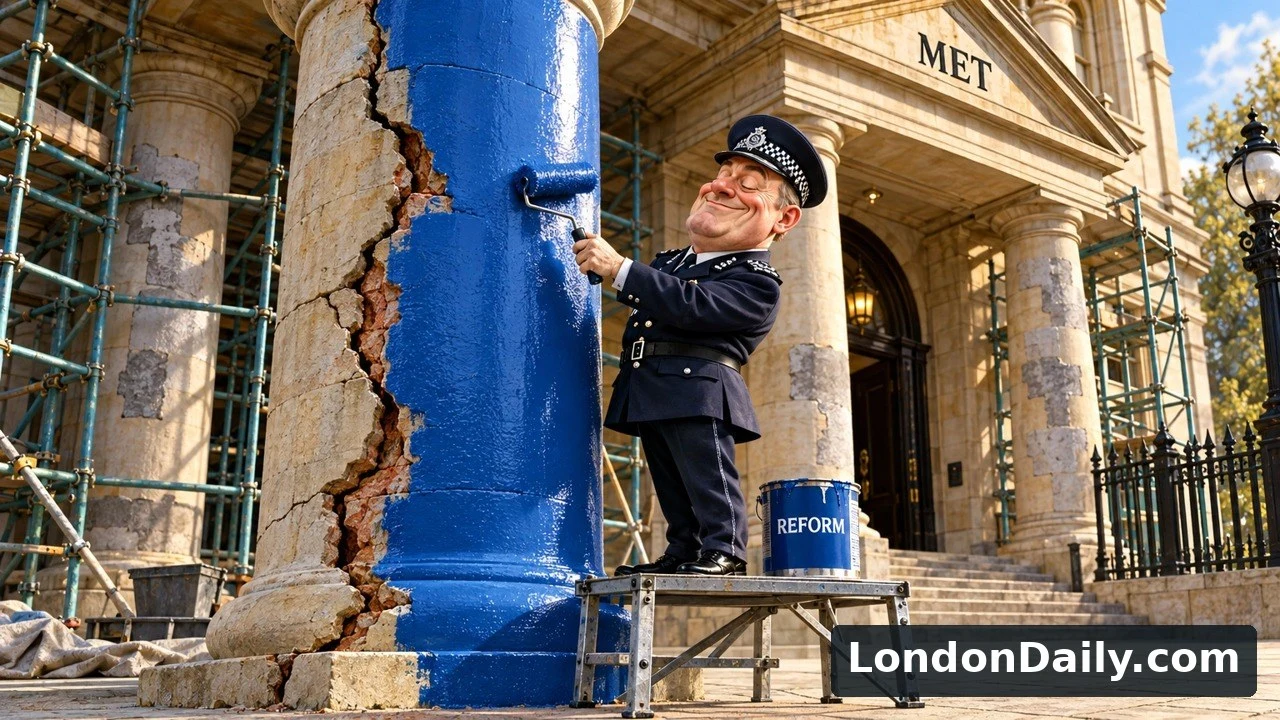
The Metropolitan Police remains institutionally racist, sexist and homophobic three years after Baroness Casey’s review, a follow-up report has found, warning that further scandals are “highly likely” without deeper cultural reform.
Dr Gillian Fairfield’s assessment found that none of Casey’s 14 core recommendations had shown “good progress”. The force was “different” but “not yet different enough”, she said. Overall public trust had not improved significantly.
Casey’s review began in October 2021 following Sarah Everard’s murder by serving Met officer Wayne Couzens and other scandals. Published in March 2023, it called for urgent changes to vetting, misconduct procedures and front-line policing. Commissioner Sir Mark Rowley refused to adopt its description of the force as institutionally racist, sexist and homophobic.
Fairfield’s findings distinguish activity from structural change. Despite substantial work on racism, she said, the Met still struggled to recognise it as a structural problem rather than something training could remedy. Many women in London and policing remained unconvinced that changes were substantive rather than presentational.
Female officers in focus groups described troubling treatment within the ranks. One said: “There’s real predatory behaviour towards younger women and new recruits. They need to understand they are prey.” Fairfield warned that cultures in closed environments, including custody and royalty and specialist protection, remained insufficiently addressed.
Gay men reported improvements in treatment, but lesbian and transgender communities still felt routinely discriminated against.
Some bereaved families accused the force of victim blaming, lying and gaslighting. One family raised concerns that CCTV and doorbell footage had not been seized promptly, witnesses had not been interviewed and no public appeal had been made. Others described defensiveness when challenging investigations.
Although misconduct processes had improved in some respects, many officers and staff remained unwilling to report colleagues because they expected no action. The review suggested bullying and harassment remained under-reported, particularly allegations against senior ranks. Its authors argued that the Met feared media scrutiny more than other scrutiny and needed to concentrate on fixing problems rather than managing coverage.
London’s mayor, Lord Khan, warned against cherry-picking the findings and said cultural reform was impossible while institutional discrimination was denied or underplayed.
The Met accepted all recommendations in full. Rowley said standards were higher and performance stronger despite rising demand, financial pressures, unavoidable workforce reductions and a criminal justice crisis. He acknowledged that too many victims’ experiences remained inadequate and that trust among black and LGBT+ communities lagged behind other Londoners.
His response recognised the remaining task as structural change requiring sustained commitment and listening. Fairfield’s findings leave unresolved whether the force’s extensive reform activity will deliver the changes experienced by victims, communities and its own staff.








Join the conversation