

Hong Kong experts testing if third jab boosts antibodies in Sinovac recipients
Hong Kong researchers have started giving Covid-19 booster shots to fully inoculated Sinovac vaccine recipients who have low antibody levels in the hope of shedding light on the need for the wider population to get a third jab.
The project, the first results from which are expected to be published in October, was revealed by a government pandemic adviser on Thursday. The news came as officials and scientists achieved a breakthrough in tracing the origin of a recent infection in an airline worker that broke the city’s nearly two-week run of zero local cases.
They have narrowed down the source of the VIP lounge worker’s case, which involved the Delta variant, to six transit flight passengers who arrived from Britain.
Health authorities also confirmed five new Covid-19 cases on Thursday, all imported, taking the local infection count to 12,047, with 212 related deaths. They involved arrivals from Pakistan, Germany, Malaysia, Turkey and Bangladesh, with four of them having been fully vaccinated.
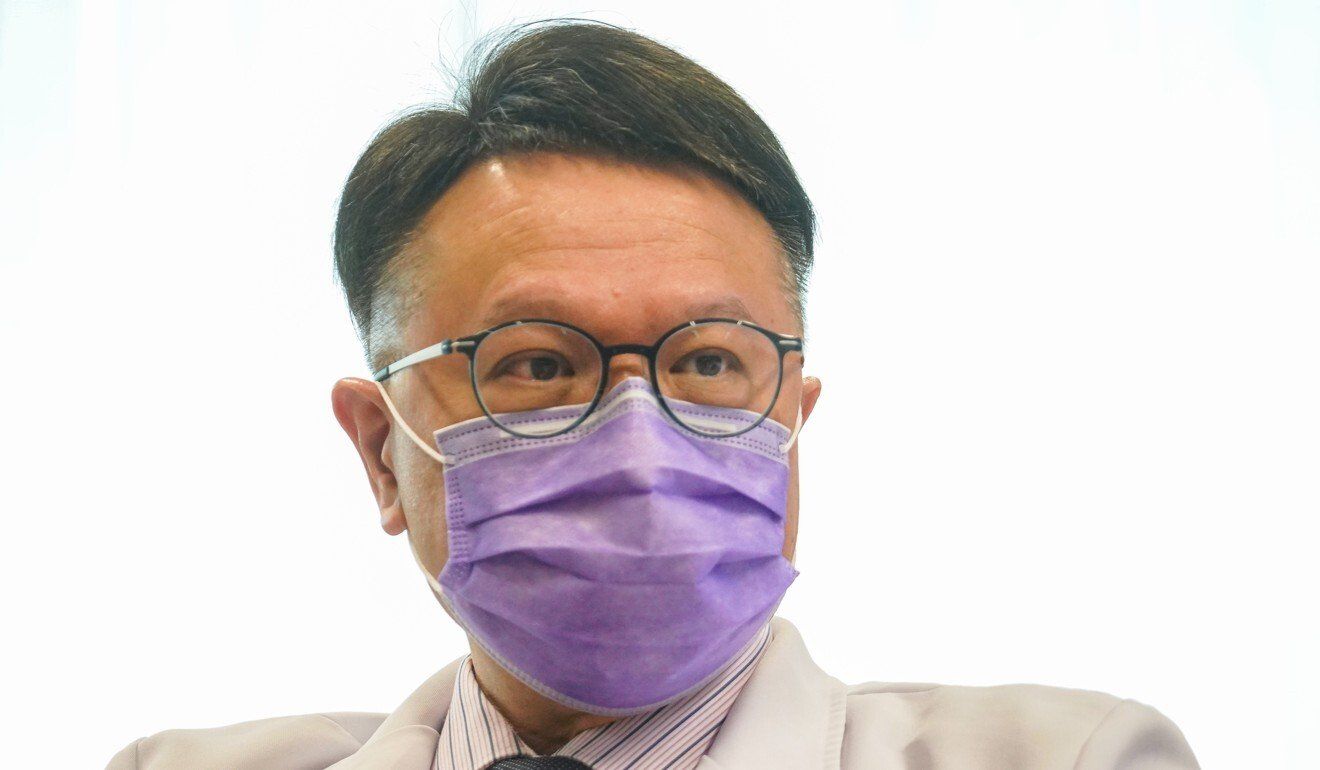 Professor David Hui.
In an interview with the Post, Professor David Hui Shu-cheong, a respiratory medicine expert at Chinese University (CUHK) and a government adviser on the pandemic, revealed that a study he led had looked at 160 people double-vaccinated with the Sinovac jab, and found that half of them had low antibody levels a month after their second shot.
To determine whether and how to increase participants’ protection levels, the researchers will give an extra dose of either the Sinovac or the BioNTech vaccine to those 80 people, with 31 of them having received their third shot on Wednesday.
“We want to see which vaccine platform can best increase their ability to fight the coronavirus,” Hui said.
The government-commissioned project will run for three years, with participants regularly tested to monitor their antibody levels. The first test will be done next month, with results due in October.
Two scientific committees under the Department of Health last month decided to postpone a recommendation on whether residents who got the Sinovac vaccine would need a booster shot. The results from CUHK’s project could feed into discussions among experts and policymakers, Hui said.
Meanwhile, Dr Albert Au Ka-wing, principal medical and health officer at the Centre for Health Protection, revealed that officials and Polytechnic University academics had compared the Delta virus sample of the 47-year-old airport worker with imported infections but failed to find a match.
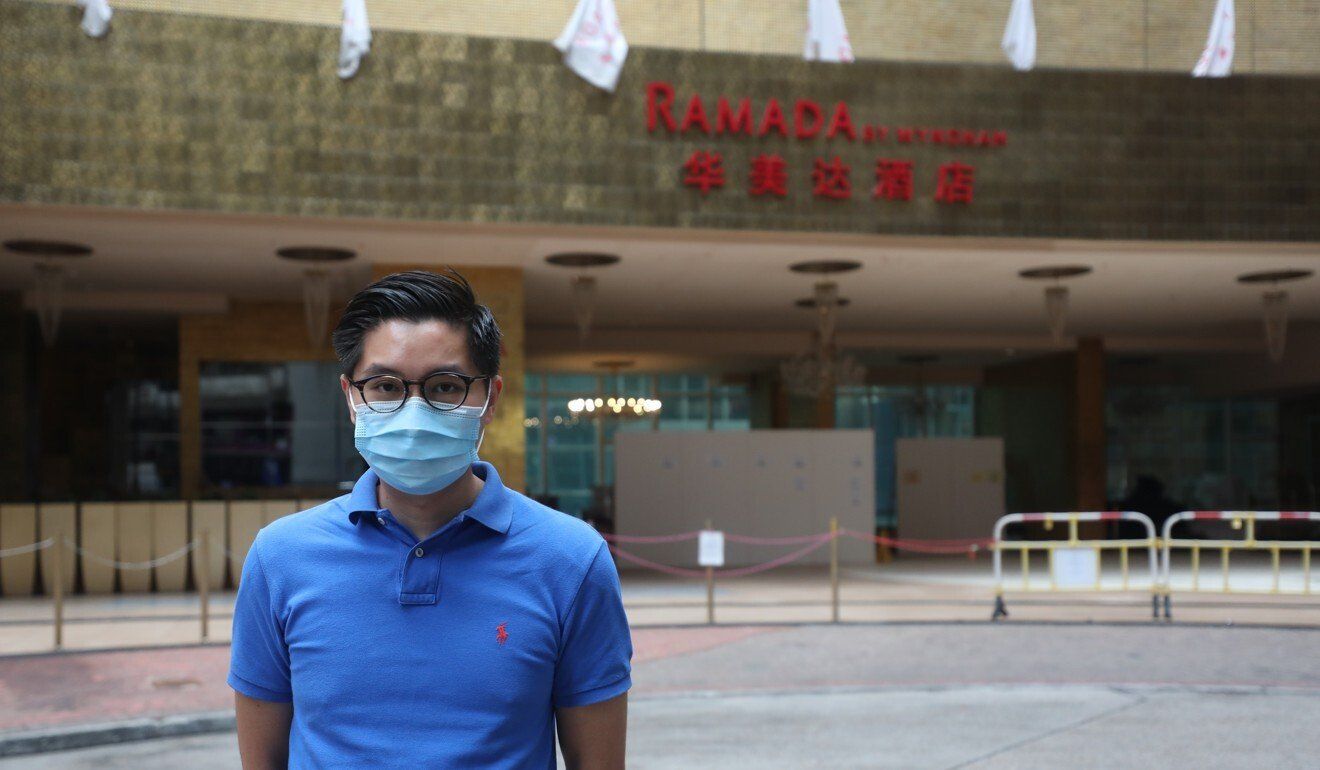 Polytechnic University’s Dr Gilman Siu.
The closest ones had seven mutations in their genomes from the worker’s sample. Further comparisons with worldwide samples from a global database found the 47-year-old’s specimen was closest to ones recently found in Britain, with six mutations.
“We should be able, at this stage, to rule out the possibility the worker had been infected by other imported cases in Hong Kong,” Au said.
Further investigations, however, revealed that 2,000 transit passengers had recently visited the Cathay Pacific lounge where the patient worked, with six flying in from Britain. Three of those had since left for Shanghai, while the other three went to Australia, and officials will get in touch with their counterparts there to see if their virus samples are a match.
Dr Gilman Siu Kit-hang, associate professor at PolyU’s health, technology and informatics department, said the discovery highlighted the risks posed by transit passengers.
Short of completely suspending transit flights, Siu suggested the authorities could suspend hot meals in the lounges and ensure full separation between transit and outgoing passengers to further minimise the risks of cross-infections.
Separately, University of Hong Kong microbiologist Yuen Kwok-yung, who inspected a private clinic with Au and other health officials, concluded that the infection of a 32-year-old man was a false positive caused by contaminated samples.
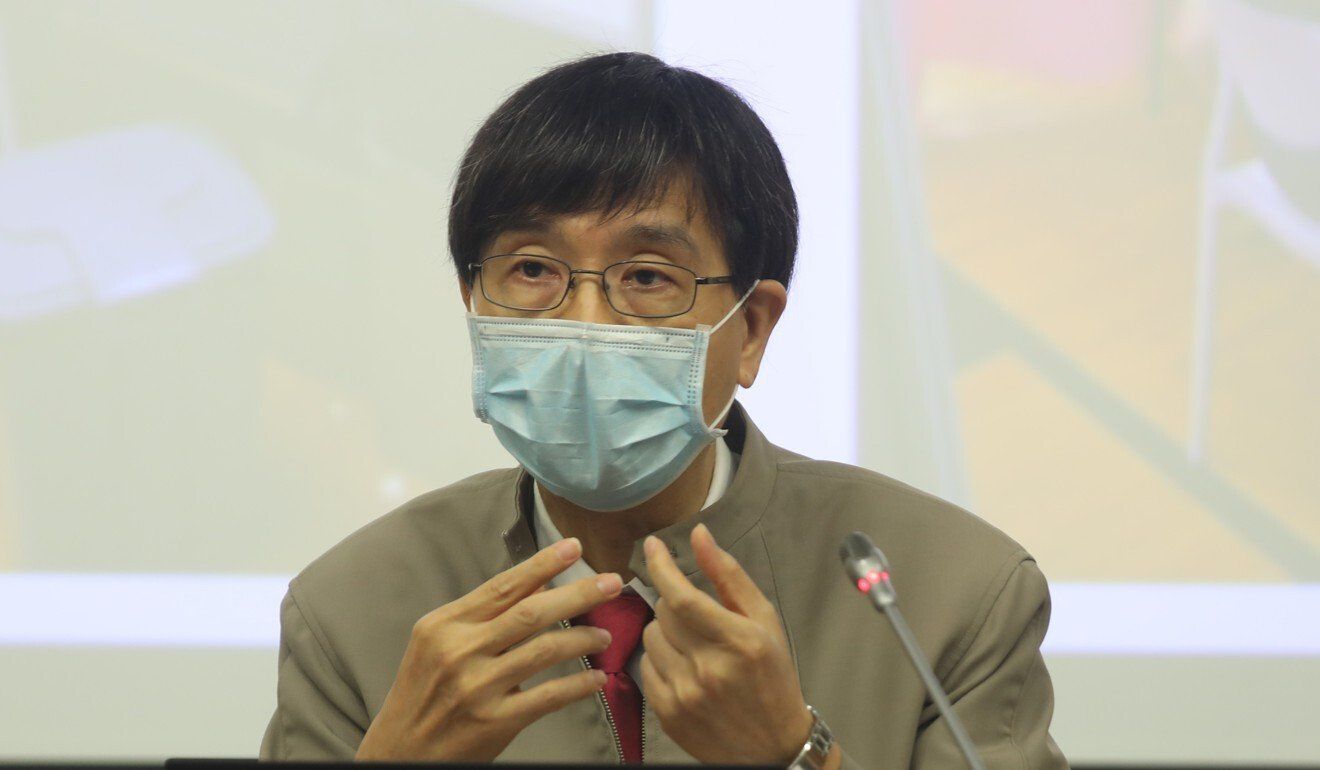 University of Hong Kong microbiologist Yuen Kwok-yung.
Authorities first detected the case on Wednesday after the asymptomatic man got a throat swab at the South Horizons clinic in Southern district, but grew suspicious after later hospital tests returned negative results.
Yuen said he believed the sample, which had a low viral load, was likely to have been contaminated by virus fragments from Sinovac vaccines that were also being administered there.
Yuen said four people received jabs at the same table earlier that day, and even though the doctor and nurses washed their hands and sanitised the desk with alcohol, they were unable to completely destroy and remove traces of the virus, which could then have been transferred onto the man’s throat swab.
Thirty close contacts of the man were sent to quarantine but would be released if a full genome analysis of the patient’s sample by the University of Hong Kong matched that of the Sinovac vaccine.
Yuen recommended clinics use different rooms to administer the Sinovac vaccine and carry out throat swabs, and to use bleach to fully remove traces of the virus.