London Daily

Focus on the big picture.
Monday, Jul 27, 2026

Give people the right to switch off after work

Give people the right to switch off after work

Workers should be given the "right to switch off" when they have left for the day to ensure homes don't become "24/7 offices", Labour has said.

The party also wants employees to have the right to flexible practices such as working from home.

This would allow people to spend more time with their families instead of commuting, says Labour.

The government says it has no plans to introduce a legal right to work from home.

A spokesperson said: "The 2019 manifesto contains a clear commitment to consulting on making flexible working the default, unless employers have good reasons not to."

Labour deputy leader Angela Rayner said "as restrictions lift and we adjust to a 'new normal", we need a new deal for working people".

She said Labour's plans would "enable more people to enjoy the benefits of flexible working, from a better work-life balance to spending less time commuting and more time with their family."

"We cannot have a drawn-out consultation process that simply kicks this urgent issue into the long grass, leaving workers in a vulnerable position and allowing employers to dictate terms to their staff."

Labour wants the government to:

*  Give workers the right to flexible working, and for employers to accommodate this "as far as is reasonable and practical"

*  Implement a plan to support small and medium-sized businesses adapt to flexible working practices

*  Put in place new rights to protect workers from remote surveillance

*  Ensure "proper" sick pay and support for self-isolating workers is available

The right to disconnect has been law for four years in France, where companies with more than 50 workers are obliged to set out the hours when staff are not supposed to send or answer emails.
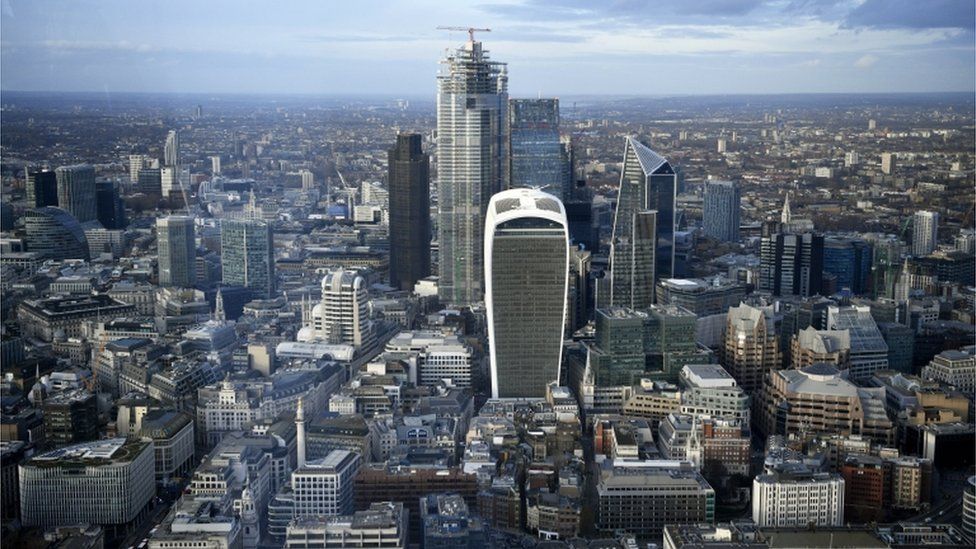
Fifty of the UK's biggest employers have said they do not plan to bring staff back to the office full-time

At the beginning of the pandemic, the government asked people to work from home if they could, and that guidance is still in place, despite the lifting of other restrictions.

However attention is now turning to what will happen when all Covid limits are removed.

An employee can currently ask to continue working from home but the employer does not have to agree to that request.

Some companies have found home working more effective and that reducing office space can save money.

A BBC survey conducted earlier this year found that almost all 50 of the UK's biggest employers did not plan to bring staff back to the office full-time.

Other business, such as cafes in city centres, have suffered from the lower number of office workers.

'Boundaries'


Prospect general secretary Mike Clancy said his union supported flexible working but added that "'flexible' has to actually mean 'flexible', not simply moving work from the office to home with the same long hours, 'always on' culture."

"The challenge as we exit the pandemic is to make sure we build on the flexibility workers want and reset the boundaries between home and work life."

Earlier this week, Downing Street denied press reports it had plans to introduce a legal right to work from home.

The prime minister's official spokesman said that there were "significant benefits" to be gained from people working in the office and that it would set out its position "in due course".

The 2019 Conservative manifesto said it would "encourage flexible working and consult on making it the default unless employers have good reasons not to".

A Flexible Working Task Force is looking at non-binding advice for employers.

Newsletter

Related Articles

0:00
0:00
Close
Following OpenAI's Cyberattack: 'Most Companies Still Do Not Understand What Is Coming'
Autopsy Finds No Violence in Death of Epstein-Linked Model Scout
Indian Education Minister Resigns After Cockroach Youth Protests
California Desert Data-Centre Plan Stalls as Water and Power Disputes Mount
Northern Ireland Border Security Tightened After Military-Grade Explosive Interception
British Hospitality Sector Targets Summer Visitors Through Regional Promotions
England River Access Debate Intensifies After New Data Shows Limited Public Access
Royal Navy Strengthens Maritime Vigilance Amid Rising Security Concerns
UK Education Department Expands Mental Health Support for Young People Entering Work
UK Tourism Industry Launches Summer Campaigns to Boost Domestic Travel
North England Transport Plans Advance to Support Industrial Growth
Financial Markets Watch New Government’s Economic Strategy as Investors Assess Fiscal Risks
Royal Navy Continues Monitoring Russian Naval Activity Near UK Waters
UK Care Workers May Receive Immigration Exemptions Under Proposed Visa Changes
Health Secretary Yvette Cooper Begins Emergency Talks to Address NHS Staffing Shortages
UK Banks Launch High-Interest Savings Offers to Attract Household Deposits
North Sea Oil Drilling Projects Face Delays After Offshore Equipment Accident
Cairngorms Wildfire Highlights Growing Pressure on UK Emergency Services
UK Government Borrowing Plans Put Pressure on Ten-Year Gilt Markets
Royal Navy Aircraft Carrier HMS Prince of Wales Returns After NATO Northern Flank Mission
Metropolitan Police Opens Criminal Investigation Into Reform UK Political Donations
Scottish Government Requests Military Support as Cairngorms Wildfire Forces Emergency Response
Andy Burnham Takes Office as UK Prime Minister and Unveils New Cabinet Team
War, Youth Revolt and the Global Struggle for Control
War, Power and the Rising Price of Political Decisions
High Street Sales Suffer Sharpest Summer Decline in Five Years
Wales Approves Higher Taxes on Second Homes and Long-Term Empty Properties
Environment Agency Imposes Record £150 Million Penalty on Water Companies
UK Competition Watchdog Blocks U.S. Takeover of Cambridge Chip Designer
Scotland Unveils Land Reform Bill to Expand Renewable Energy Projects
Northern Ireland Secures £500 Million Technology Investment for Belfast Cybersecurity Hub
NHS Rolls Out AI Triage System Across Major Hospitals in England
UK Strengthens North Sea Naval Cooperation With European Allies
UK Chancellor Commits £7 Billion to Accelerate Manchester-Leeds Rail Link
Bank of England Signals Interest Rate Cuts After Inflation Falls Below Target
Badenoch Rejects Grant Shapps' Bid to Return as Conservative Candidate
BAE Chief Warns Britain Has Underestimated the Risk of War
Burnham Rules Out New Scottish Independence Referendum in First Talks With Swinney
UK Government Strengthens Northern Economic Agenda Through Manchester Headquarters and Regional Partnerships
United Kingdom Opens New Furness Peninsula Coastal Route Under King Charles the Third England Coast Path
England Reduces Business Costs for Hospitality Sector Through New Relief Package
United Kingdom Allocates Seven Point Three Million Pounds for Zero-Emission Aviation Research
United Kingdom Begins Restoration Works on Portishead Railway Line After Six Decades Without Passenger Services
United States Tariff Measures Create New Trade Challenges for United Kingdom and European Union Businesses
Prime Minister Andy Burnham Meets Scottish and Welsh Leaders to Promote Regional Growth Cooperation
United Kingdom Government Announces Twenty Percent Business Rates Cut for Pubs, Clubs, and Music Venues
Prime Minister Andy Burnham Opens Manchester Government Headquarters to Shift Decision-Making Away From Westminster
United Kingdom Defence Ministry Says Armed Forces Ready After Iran Accuses London Over US Military Strikes
United Kingdom Inflation Falls to Two Point Six Percent as Prime Minister Andy Burnham Gains Economic Breathing Room
OpenAI Sued After ChatGPT Allegedly Discouraged Emergency Care Before Near-Fatal Embolism
×