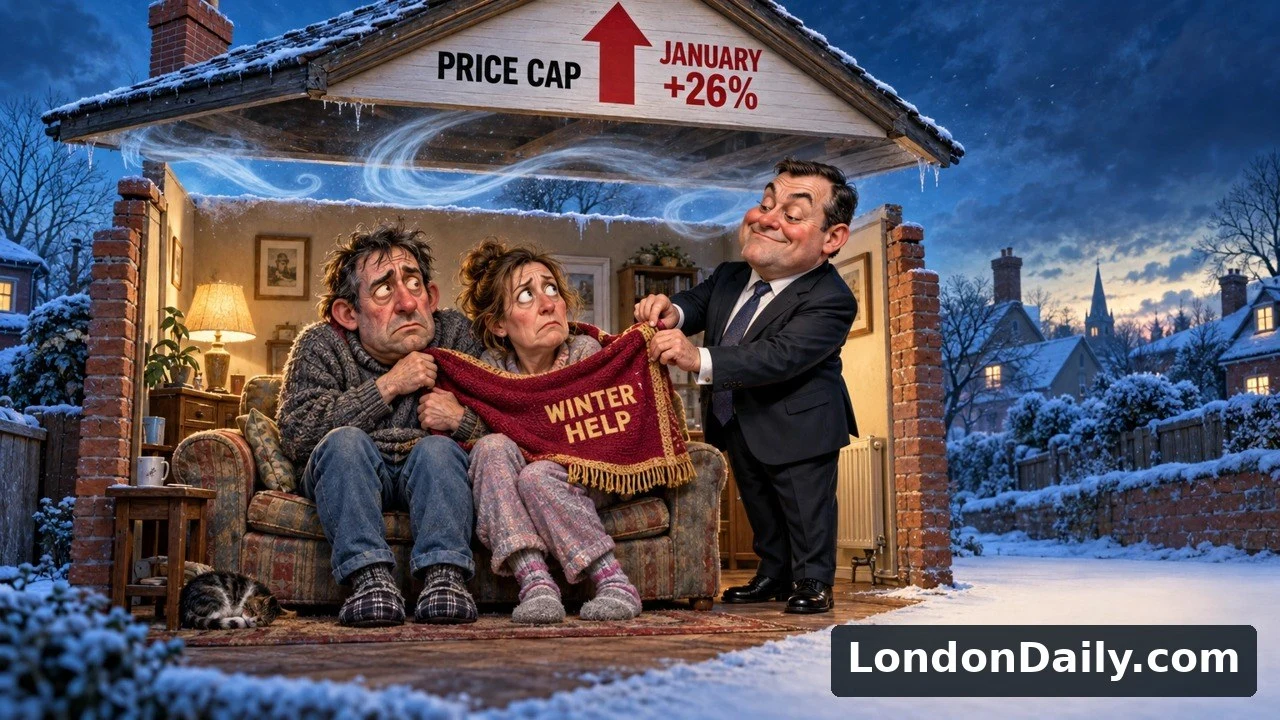
Ofgem will raise the energy price cap by 26% from 1 January, taking the annualised bill for a typical household using gas and electricity in England, Scotland and Wales to £2,166.
The increase amounts to £443 a year, or £36.91 a month, if the new level were maintained for a full year. That qualification matters: the cap is set quarterly, so the figure is not a forecast of what households will necessarily pay over the following 12 months.
The new level, in line with industry analysts’ predictions, is the highest since the second quarter of 2023. It follows a 4% increase at the start of last month. Energy prices have since eased, but too late to affect the calculation for January.
Ofgem’s director general for markets, Neil Kenward, attributed the rise to continuing conflict in the Middle East. He urged anyone struggling to pay to contact their supplier, which must offer appropriate support and advice. Ofgem said it was writing to suppliers to remind them of those obligations.
Chancellor John Healey’s autumn Budget announced a temporary 5% VAT cut on electricity bills until June next year, the abolition of gas standing charges in England, Scotland and Wales, and £100 towards energy costs from January for up to 20 million households in England.
Energy Secretary Miatta Fahnbulleh said the measures would give families breathing space this winter. She argued that cheaper, clean, homegrown power and reform of the energy system were needed to reduce dependence on volatile fossil fuel markets. Equalities minister Bridget Phillipson likewise called for greater investment in domestic energy to limit the effect of overseas events on household bills.
Campaigners share the aim of reducing dependence on gas but argue that the immediate assistance remains insufficient, leaving millions facing higher bills. Simon Francis, coordinator of the End Fuel Poverty Coalition, said: “The Government should be investing more in helping households get off gas for good and ending our exposure to these volatile prices, and it is not too late for Ministers to also take action that would make a difference this winter.”
The central difference is over the adequacy of help now: ministers present the package as winter relief alongside longer-term reform; campaigners want additional intervention before households absorb the January rise.








Join the conversation