Prime Minister Andy Burnham has denied that his new European Union agreement prepares the ground for a referendum on rejoining, while confirming that Britain could not return to the bloc without a public vote.
Presenting the deal to MPs on Monday, he described closer co-operation as a practical response to British interests rather than a settled constitutional destination. “It’s not a prelude to anything,” he said. “There is no fixed opinion here. There is no fixed destination.”
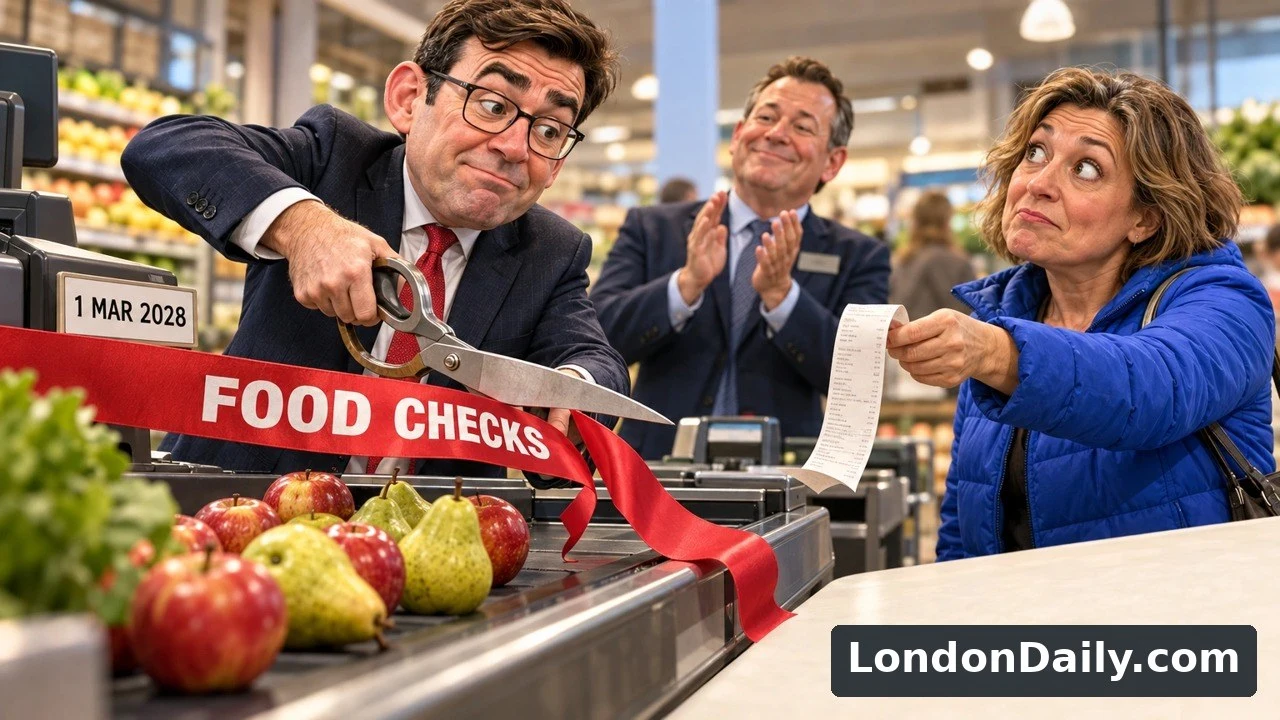
Agreed at last week’s Brussels summit, the package covers food and agricultural exports, emissions trading and a youth experience scheme. Its sanitary and phytosanitary agreement would end most post-Brexit checks and restrictions on food and agricultural products from 1 March 2028.
Conservative MP Sir Edward Leigh argued that the agreement reflected Burnham’s desire to rejoin. He warned that reopening the question could encourage another Scottish independence referendum, trading what he called marginal gains from a bloc with a declining share of world trade for renewed division and risks to the union.
When Conservative Sir Bernard Jenkin asked whether taking Britain back into the EU without a referendum would be unthinkable, Burnham replied: “Yes, it would be unthinkable.” That establishes a condition for any future return, not a commitment to seek one.
Burnham rejected warnings against reviving the Brexit debate from former prime ministers including Rishi Sunak and Baroness May. Conservative leader Kemi Badenoch said six former premiers, including Tony Blair, criticised his direction, accusing him of trying to return Britain to 2015. Former chancellor Rachel Reeves and former deputy prime minister David Lammy congratulated him, both speaking from the back benches for the first time.
Burnham promised no “banging on about Europe”, echoing David Cameron’s 2006 Conservative conference language. His economic case centres on removing delays: he said apple and pear exports would reach Europe faster and Essex’s cockling industry would benefit. Labour MP Alex Mayer raised bean sprouts stuck at the border; Burnham argued against bureaucracy that left produce spoiling.
After visiting a Morrisons distribution centre in Kent, he said reduced paperwork would lower retailers’ costs. The chief executives of Morrisons, Tesco and Asda welcomed the food deal. The British Retail Consortium called it a “big win”, but did not expect supermarket prices to fall. Downing Street said savings should reach consumers, without guaranteeing cheaper shopping.
Burnham also envisaged further energy-cost discussions and progress for touring musicians and artists. MPs are expected to vote before the Christmas recess on the European Partnerships Bill to put the agreement into law. For shoppers, the unresolved question is whether lower trading costs will translate into lower prices.








Join the conversation