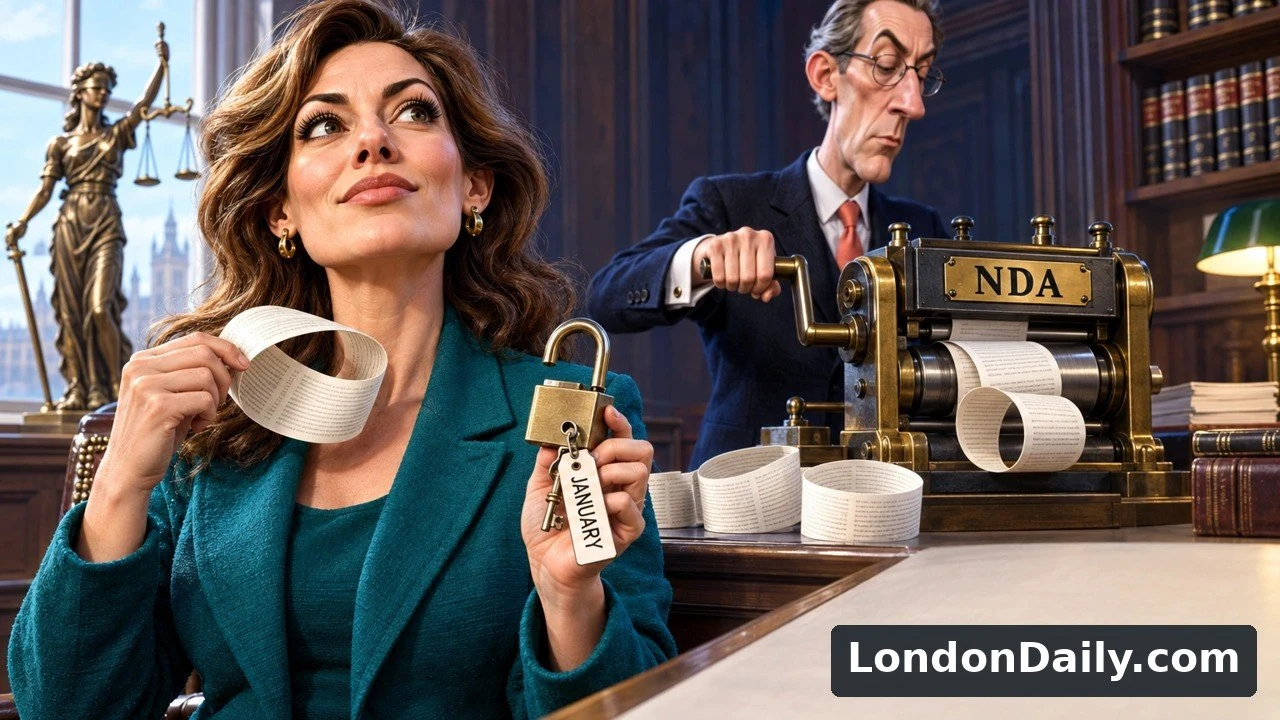
Andy Burnham has signalled a wider ban on non-disclosure agreements used to conceal abuse, promising protection for freelancers and fans beyond changes allowing victims of crime or workplace harassment to speak freely from January.
Calling recent high-profile rape trials a “watershed moment”, Burnham said ministers were closing loopholes and would produce a plan next year. The January changes, brought forward by the government, will let victims choose whom they speak to even after signing an NDA.
The distinction is between freedom to disclose and preventing agreements intended to suppress accounts of harm. Campaigners say measures announced last year covered only workers, leaving companies and lawyers scope to conceal abuse. They want a ban that would make it an offence for lawyers to draw up such agreements, including those involving freelancers and fans. That broader prohibition has not been confirmed.
The debate follows allegations of improper behaviour against David Walliams, which he denies, and Russell Brand’s conviction for rape and sexual assault. In both cases, women have been described as feeling unable to speak after signing NDAs.
Former staff allege that HarperCollins used a leading law firm and an NDA to cover up Walliams’ behaviour towards women two years before dropping the children’s author. That allegation emerged on Tuesday.
Zelda Perkins, Harvey Weinstein’s former personal assistant, who broke her NDA in 2017 and leads Can’t Buy My Silence, welcomed what appeared to be “true action and a real commitment to major change from the prime minister”. After an eight-year campaign, she hopes ministers will prohibit NDAs used to cover up harm altogether.
The government also plans a consultation on a staggered age of consent following allegations that Brand and Walliams had sexual relationships, while in their 30s, with girls aged 16. No detailed proposal is set out.
Ministers will also address what they call “the false rape myth of ‘third-party consent’”, following demands from Joanne Young. Her then husband, Philip Young, 50, drugged and raped her and advertised her on dating and swinging websites, portraying the abuse as a shared “kink”. Men convicted of raping her argued that they believed she had consented.
“At no point did anyone ask me for my consent,” she said, urging government action.
Burnham echoed Mr Justice Bennathan’s sentencing remarks that women retain the right to refuse sex and demand justice, whatever they wear or drink. He said stereotypes discourage victims from coming forward by placing shame on women rather than perpetrators.
Announcing the measures on International Day for the Elimination of Violence Against Women, which begins the UN’s 16 Days of Activism against gender-based violence, Burnham called them “just the start”. The remaining decision is how far legal protection will extend beyond the January changes.








Join the conversation