Almost £4m for rough sleeping in West Yorkshire has been welcomed by people providing help on the streets, but a man sleeping rough and charity leaders say emergency accommodation alone will not secure lasting homes.
Mayor Tracy Brabin’s funding is intended to provide accommodation and targeted support for people with the most complex needs. Leeds City Council will receive the largest allocation, £1,641,767, while Bradford Council is set to receive £688,194.
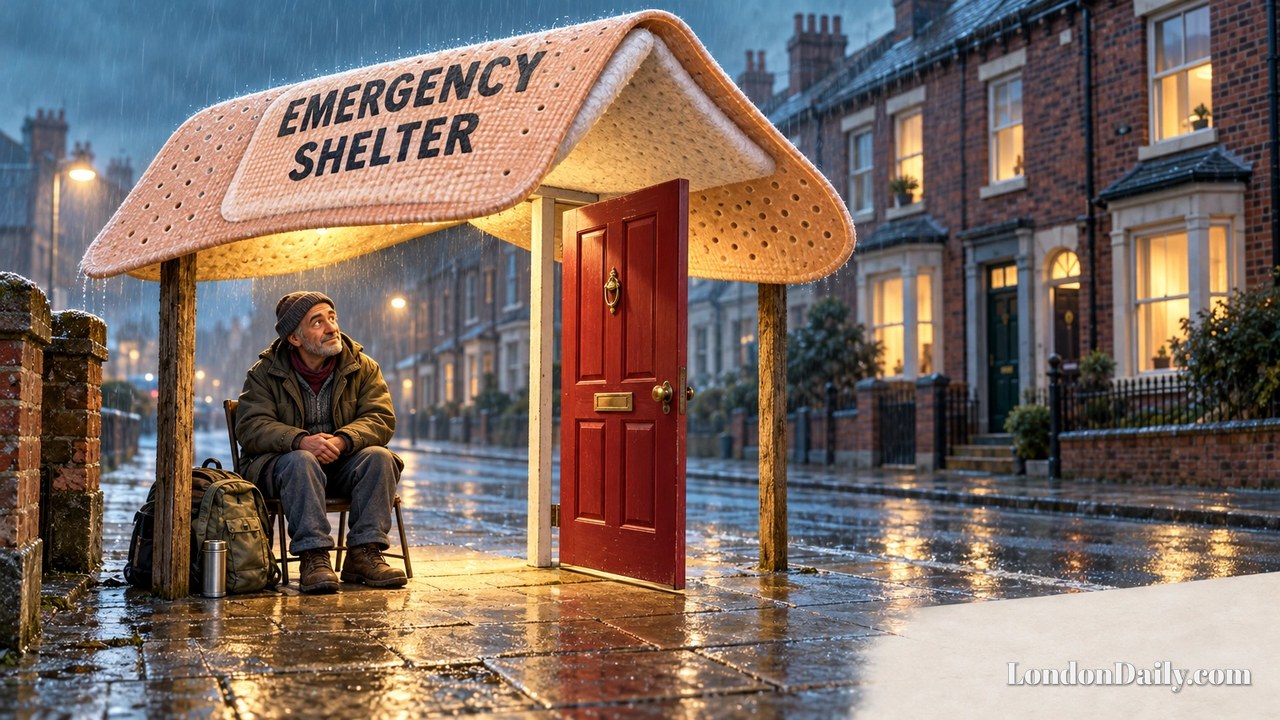
For Mark Green, 55, who has been sleeping rough in Bradford for just under a month, the money offers immediate help but risks becoming a “sticking plaster”. Begging outside a convenience store on Sunbridge Road, he says the accommodation offered matters as much as getting someone indoors.
Green, who says he grew up in care and has been “in and out” of prison since 2011, criticises conditions around the Sunbridge Road hostel where he says he has repeatedly been placed, citing theft and prostitution nearby.
“I think I need, like, a home,” he says. “But I've never had it, so I don't know.”
The announcement followed the government’s decision to double funding supporting Prime Minister Andy Burnham’s promise to give every rough sleeper in England a route off the streets by Christmas.
Kadin Lawford, a 22-year-old children’s care worker from Idle, welcomes that pledge. She and her younger sister handed Green a hot meal after she decided to prepare about 20 meals for people sleeping on Bradford’s streets in freezing conditions. “I thought it's no skin off my back if I go give them a hot meal,” she says.
At the Immanuel Project on Westgate, operations manager Freda Dyson says the charity served 160 free lunches on Monday. She calls the funding “absolutely amazing, as long as it goes to the right services”, warning that larger charities tend to receive money while smaller organisations struggle.
Chris Fields, chief operating officer of Leeds homelessness charity St George’s Crypt, believes services could probably provide enough emergency accommodation between them. His concern is what follows.
“But it's dealing with the symptoms, not the cause,” he says, identifying mental and physical ill health, housing shortages, drugs, alcohol and family breakdown.
The distinction is between finding a bed now and providing the housing and support that make leaving the streets sustainable. Those welcoming the immediate help are also questioning whether this allocation can achieve the latter.








Join the conversation